Kutaisi & Racha-Lechkhumi – 3 Days

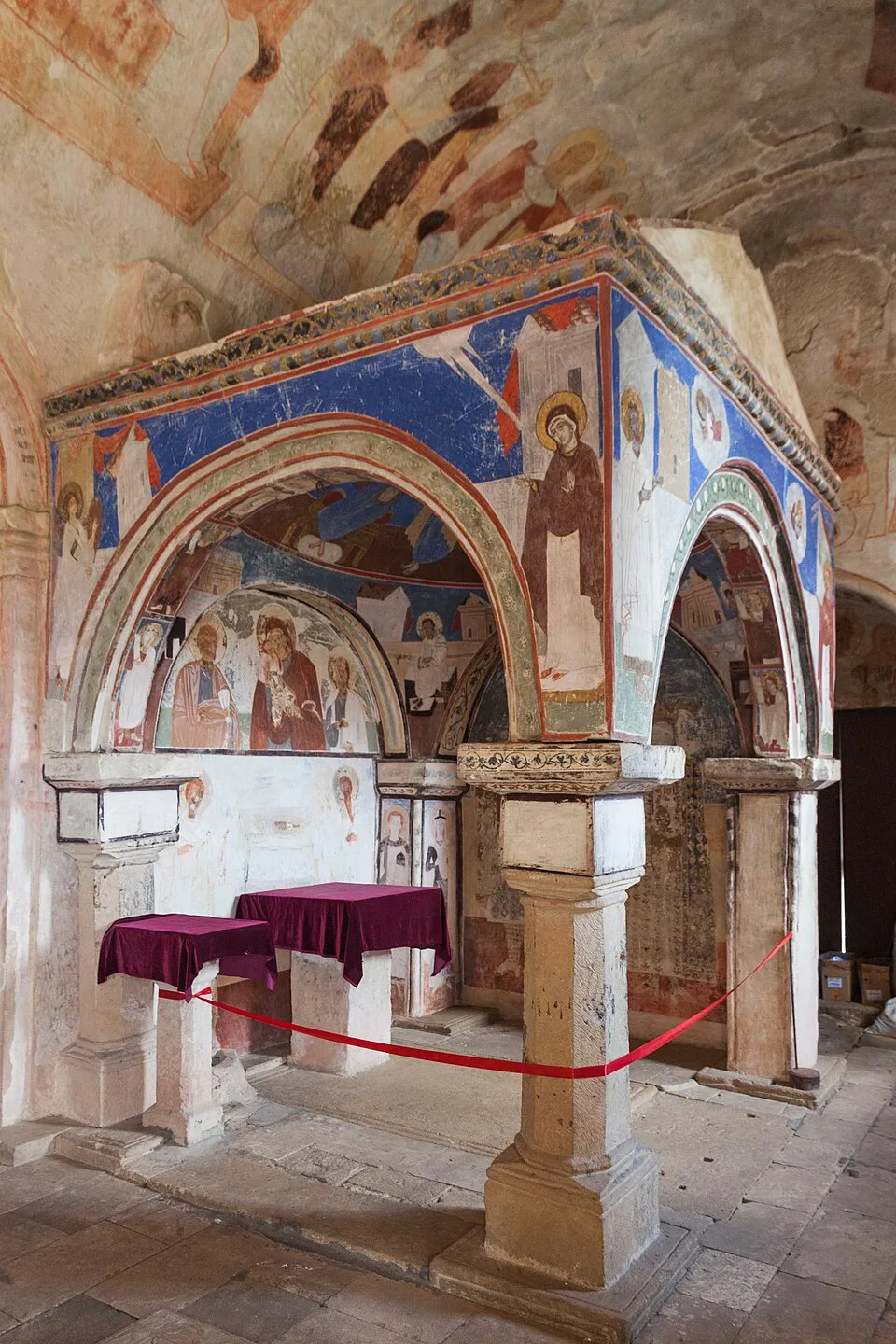



This is an example of a standard day trip to Racha & Lechkhumi regions from Kutaisi.
This tour is described here for the convenience of independent travelers who choose to travel by a car without assistance of a travel company or a guide. All times are specified based on our experience of traveling with tourists to these locations. Durations and locations can be changed upon your preferences and desires.
Locations and times are chosen and optimized for a day trip starting and returning to the Kutaisi.


Day 1 – Kutaisi – Tkibuli – Ambrolauri
09:30 – Departure from Kutaisi / Hotel
10:00 – Sightseeing at Motsameta Monastery
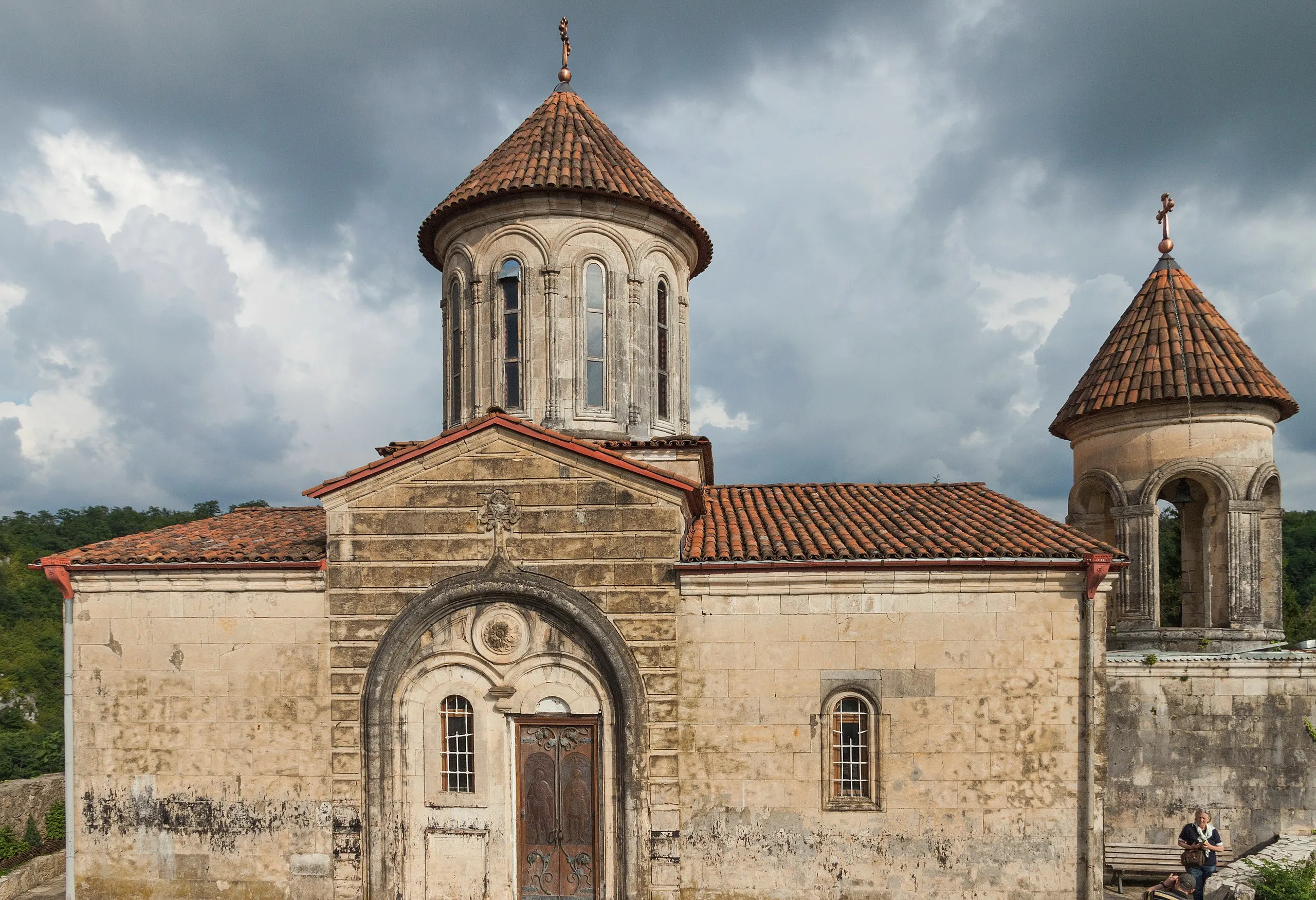
It is located in the Imereti region, in the Tkibuli municipality, near the village of Motsameta. It was built in the 11th century, although it acquired its current appearance in the 19th century. The history of the monastery’s founding is associated with the names of the Argveti princes – David and Konstantine Mkheidze. In the 8th century, during the invasion of Murvan the Deaf, they put up great resistance to the Arab commander, and were eventually martyred. The Georgian Church canonized them as saints. The relics of the saints who were martyred for their homeland and faith were originally buried in the ruined Church of the Annunciation. Bagrat IV built a small domeless church on the site of the church destroyed by the Arabs and transferred the remains of the saints to a new church. The name Motsameta is also connected with this history.
11:30 – Departure from Motsameta
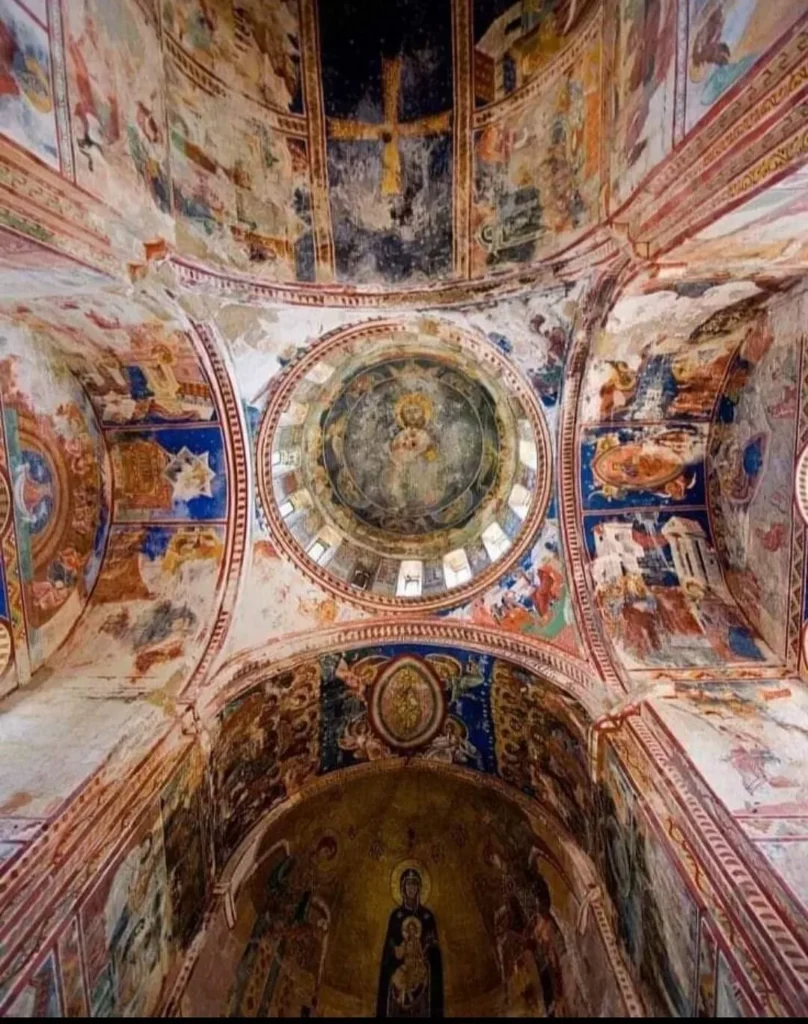
11:45 – Sightseeing at Gelati Monastery
Gelati Monastery is located in the Imereti region, 11 km from the city of Kutaisi. The monastery was founded by David the Builder in 1106. It is here that the greatest king of Georgia is buried.
The ensemble includes the main cathedral of the Assumption of the Virgin Mary, St. George’s Church, St. Nicholas’ Church, the bell tower, the academy and the fortress. Gelati Monastery was a major cultural and educational center.
David did not manage to complete the construction of the monastery during his lifetime, and his son Demeter continued the work he had begun. In the 12th-15th centuries, Gelati Monastery was granted complete autonomy, recognizing only the supreme right of the king, and even the Catholicos-Patriarch of Georgia did not have any governmental power. After the political collapse of Georgia, Gelati Monastery passed into the hands of the kings of Western Georgia. On November 23, 1510, it was burned down by the Ottoman army that invaded Imereti. Later the kings of Imereti, Bagrat III and Giorgi II, restored the Gelati Monastery and donated new estates.
12:45 – Departure From Gelati toTkibuli
13:30 – Lunch stop at Tkibuli
15:00 – Departure to Ambrolauri
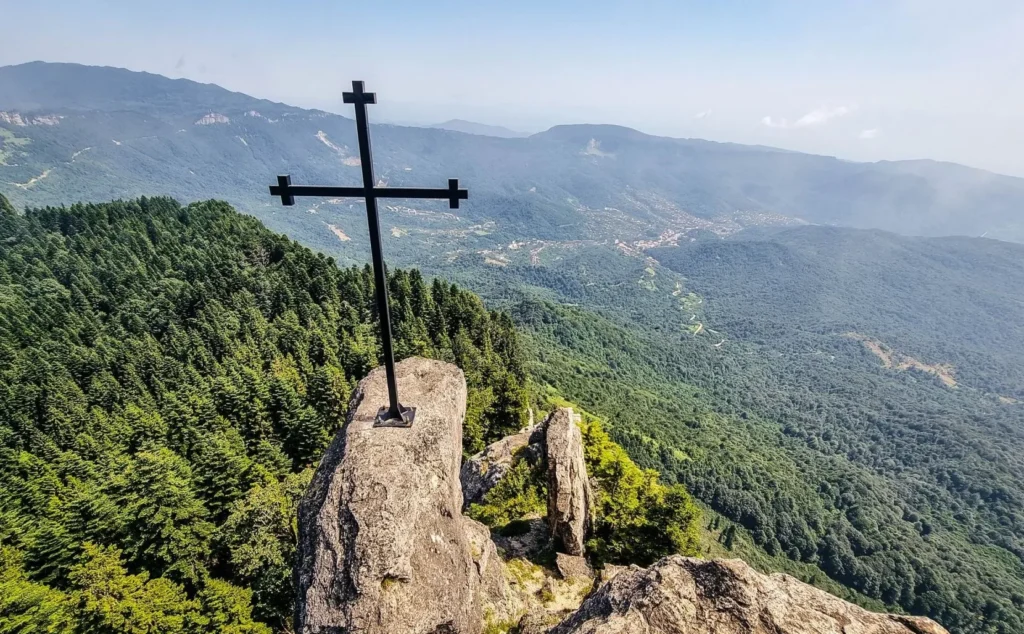
15:30 – Sightseeing Stop at Tskrajvari Viewpoint
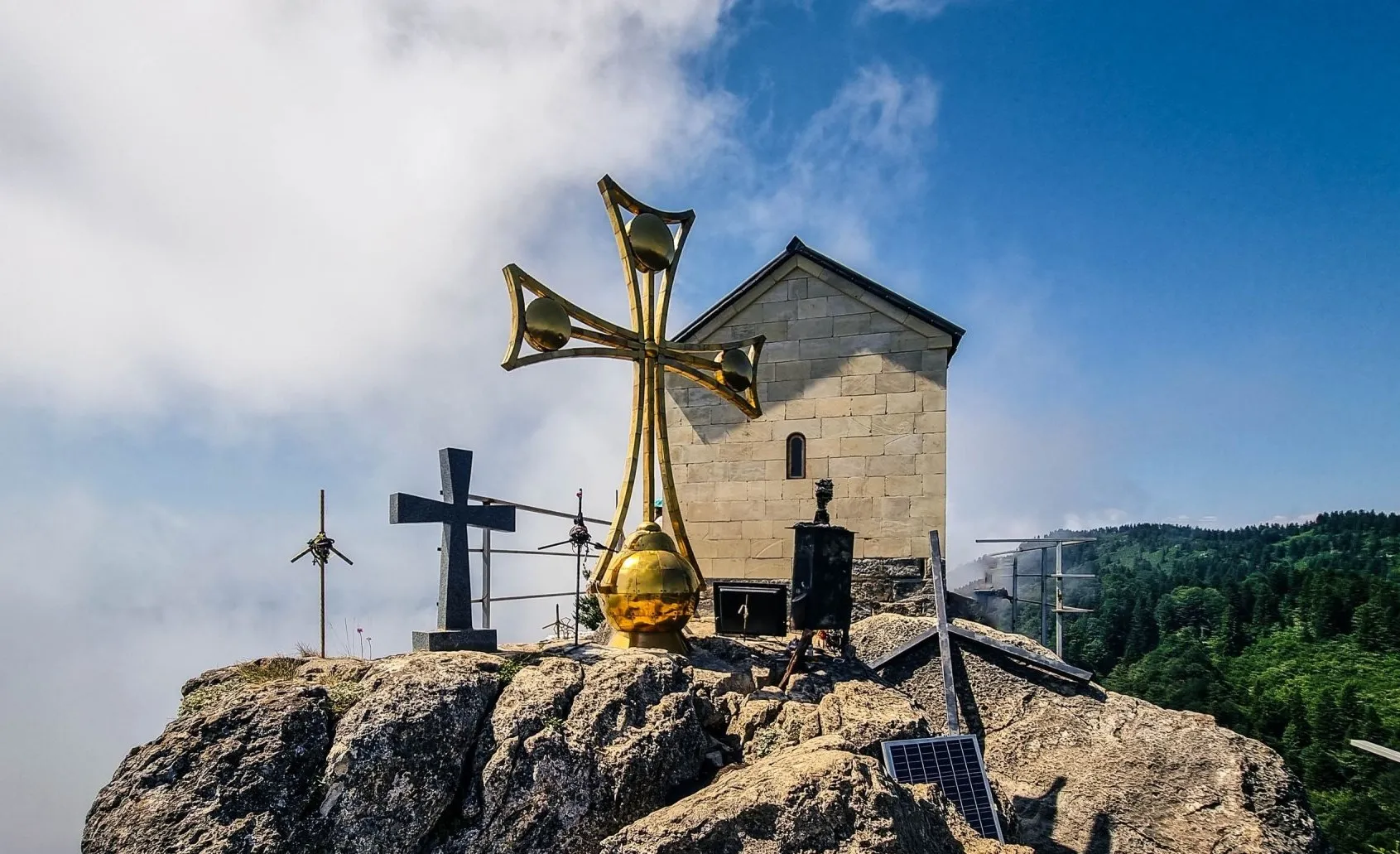
Literally nine crosses, a shrine of St. George, is located in the Imereti region, near the Nakerala Pass, on the top of a mountain near Tkibuli, at 1500 meters above sea level. Tskhrajvari is well-known for its striking form and the legends surrounding it. Thousands of pilgrims (and regular tourists) are drawn to the spot every year, especially on the last Saturday of May, when the traditional Tskhrajvaroba celebration occurs.
The site is special precisely because it’s not a traditional building with icons and relics. Instead, it is an open-air complex comprising crosses of various sizes. A particular standout is the massive golden cross with lily-like ends characteristic of Georgian traditions standing in the middle. The other crosses are simpler, made of dark metal with a more modest design.
16:00 – Departure from Tsktrajvari viewpoint
16:30 – Sightseeing Stop at Shaori reservoir
In Racha Region, in the heart of snow-covered peaks, dense forests, and meadows full of flowers, the man-made Shaori Lake creates a wonderful environment for fun and relaxation.
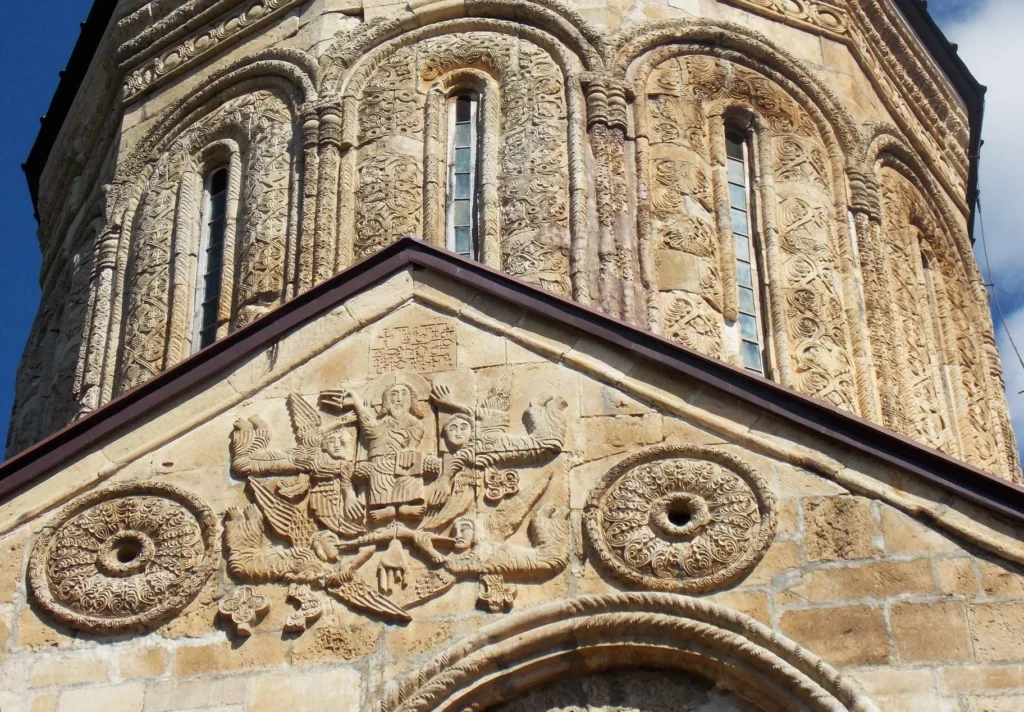
17:15 – Sightseeing at Nikortsminda Cathedral
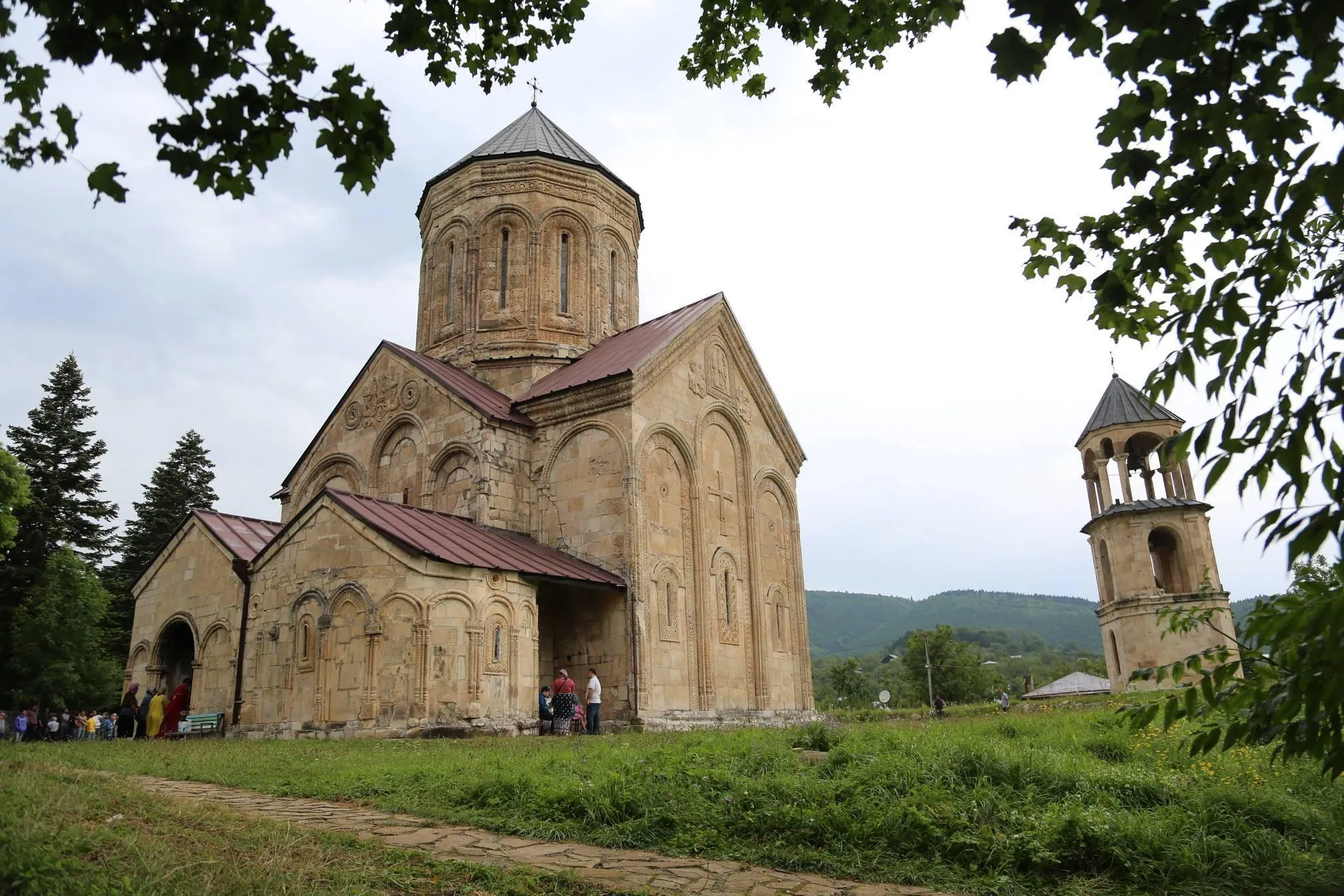
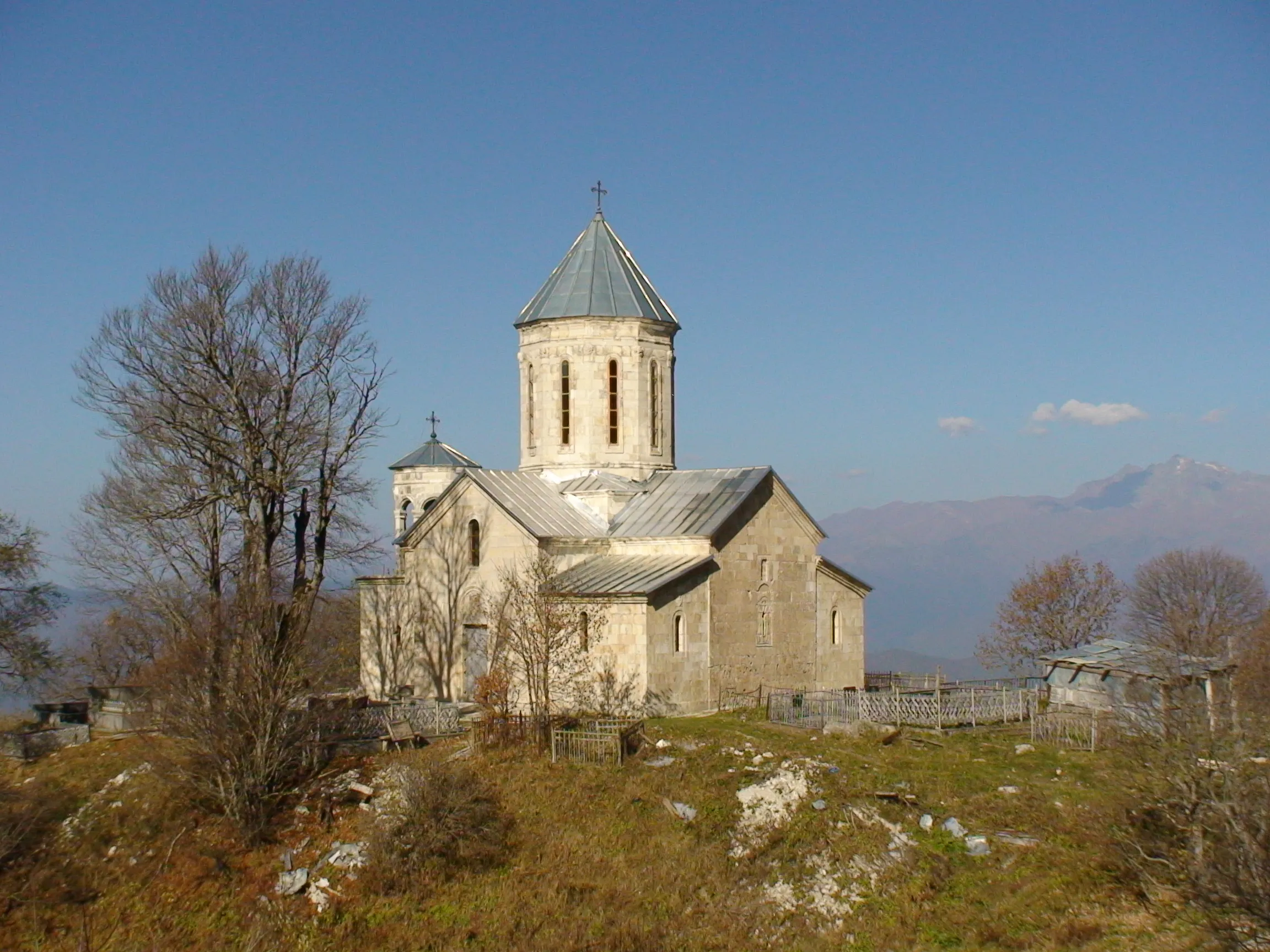
Nikortsminda — Cross-domed church in the Racha-Lechkhumi and Lower Svaneti regions, in the village of the same name in the Ambrolauri municipality.
After the creation of the Racha Principality at the end of the 10th century, by order of the first king of a unified feudal Georgia, Bagrat III, the foundation was laid for the construction of the Great Cathedral of St. Nicholas, which became the cultural center of this principality.
The Nikortsminda Cathedral is a masterpiece of national architecture. It was built at the beginning of the 11th century, in 1010-1014. This is the period when great attention was paid to the decoration of facades. The monument has not undergone major changes during its existence. This is a rare case. The dome of the temple has been preserved in its original form.
In the 16th century, Nikortsminda was renovated with the support of the King of Imereti, Bagrat III.
18:00 – Departure from Nikortsminda
18:30 – Arriving in Ambrolauri
It was one of the residences of the kings of Imereti. There was a royal palace in Ambrolauri, from the complex the ruins of a church and a tower known as the “Machabeli Tower” have survived.
Free time / Overnight in ambrolauri

Day 2 – Ambrolauri & Oni
09:30 – Departure from Ambrolauri
10:00 – Sightseeing at Barakoni Cathedral
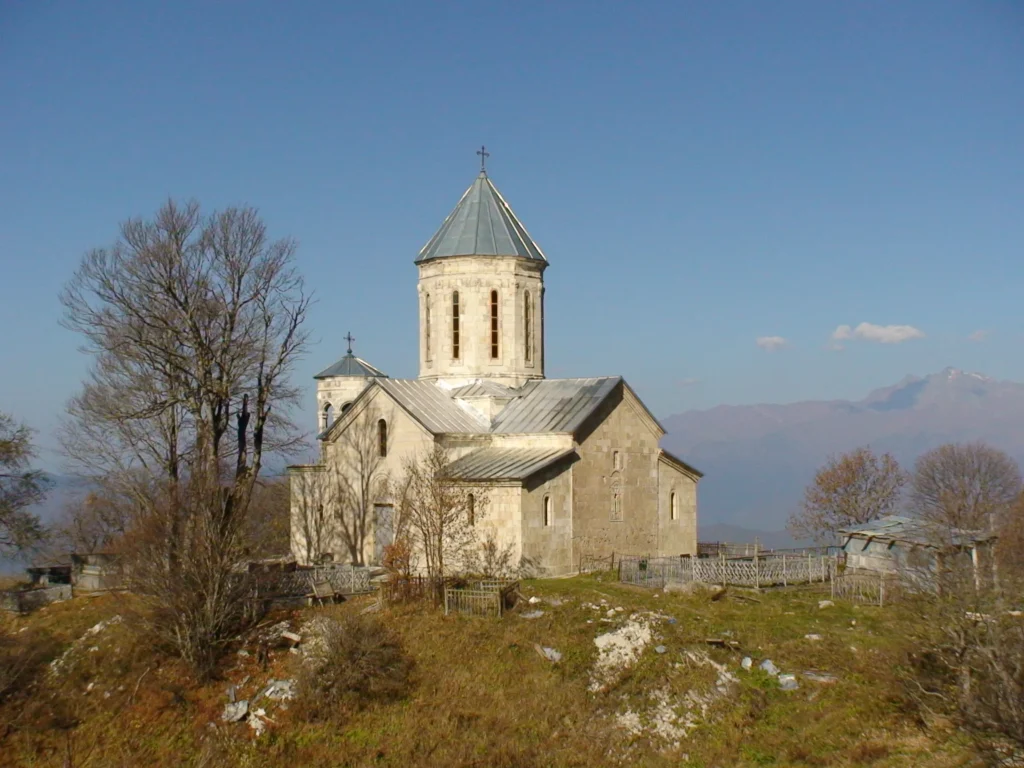
one of the most important monuments of ancient Georgian domed architecture, located in Racha, Ambrolauri Municipality, near the village of Tsesi. Barakoni is located at the confluence of the rivers Lukhuni and Rioni, which is why it is compared to Svetitskhoveli.
To the northwest of Barakoni, there used to be a feudal church, which was built by the first Eristavi (duke) of Racha, Rati Liparit’s son, as his court church. The church was a single-nave basilica, built of tuff stone. The old church is now in ruins, only the foundation stones have survived. By order of the Eristavi of Racha Rostom, a new church was built in 1753 by master Avtandil Shulavreli.
12:00 – Sightseeing in Oni
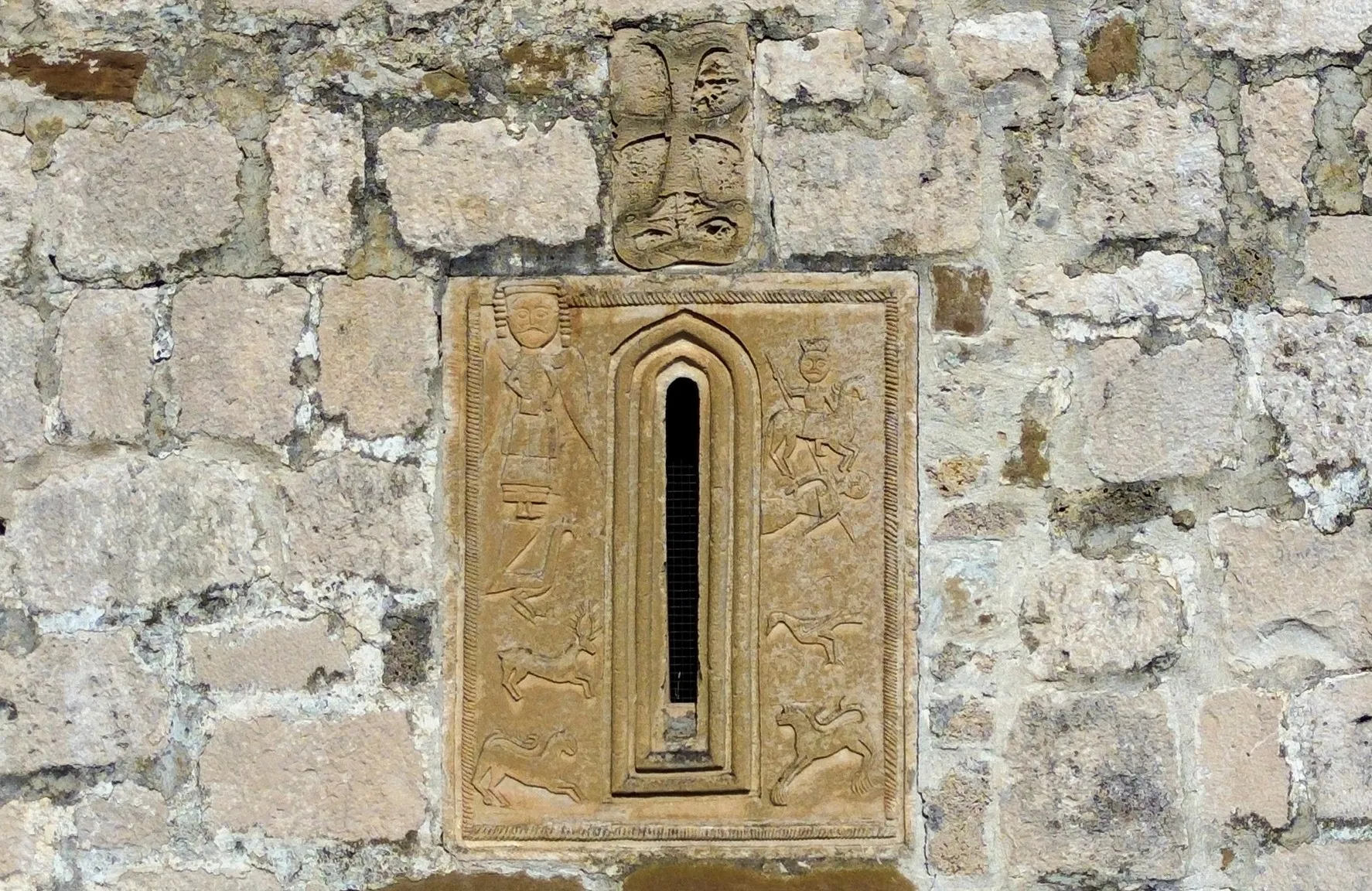
Oni Local Lore Museum The Oni Local Lore Museum is a repository of the antiquities of the two districts of Oni and Ambrolauri, where unique exhibits are preserved, the historical, cultural, and artistic value of which is immeasurably great not only for the past of Racha but also for the cultural heritage of the country. Among them, several exhibits, for example, a buckle with the image of the astral sun, which has no analogues in the whole world, are preserved in our museum. It is worth noting the 10th century relief decoration of the window of the St. George Church in the village of Joysubani, the photos of which are included in the UNESCO catalog as one of the most important monuments of Christian culture. According to the observations of art historians, the window decoration confirms one of the earliest depictions of the Last Judgment scene in all of Georgia.
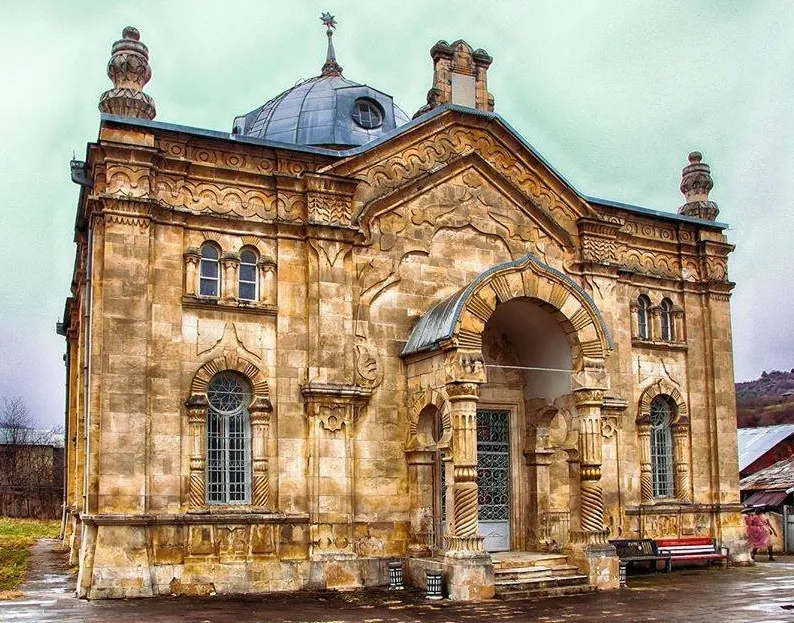
Oni Synagogue
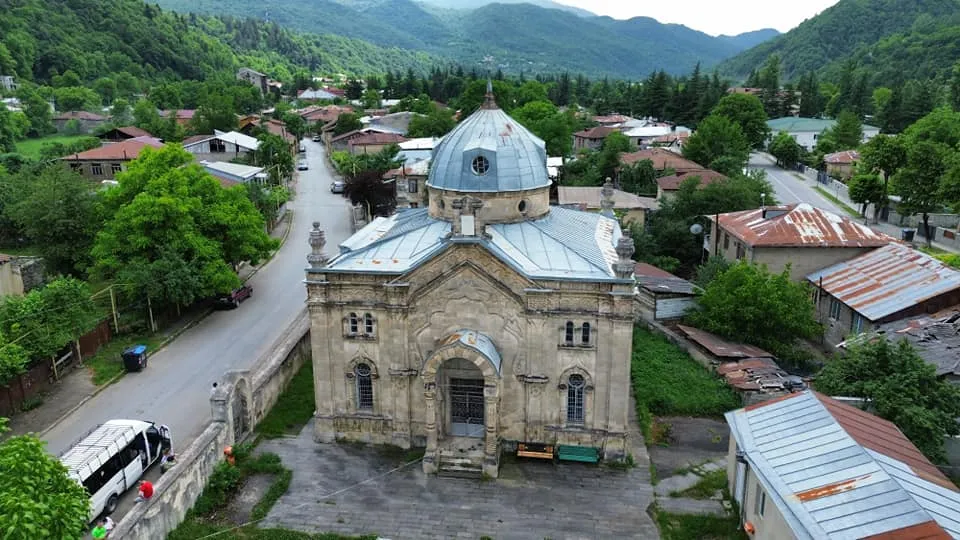
located in the city center, on Vakhtang VI Street. It was built in 1895 in the eclectic style and is a quadrangular domed building. The synagogue has a gate on the east side.
The Oni Synagogue ranks third in size among the synagogues in Georgia, after the synagogues in Tbilisi and Kutaisi.
On November 7, 2006, the synagogue was awarded the category of an immovable cultural monument of national importance by the decree of the President of Georgia.
Lunch in Oni
15:30 Departure from Oni
16:00 – Sightseeing at Mravaldzali Church
Mravaldzali is an 11th century architectural monument in Racha. The St. George’s Hall Church is located in the vicinity of the village of Mravaldzali, Oni Municipality. The church is distinguished by its unique bas-reliefs. Several objects of historical importance were preserved in it (including the helmet of Jalal-ed-Din and the sword of Shah Abbas I). In 1894, the hall church was converted into a domed building and a bell tower was built on the western side. The earthquake that occurred in Racha on April 29, 1991 significantly damaged both the old and new parts of the church. In 2009, the restoration work of the temple was completed and the church regained its original appearance.
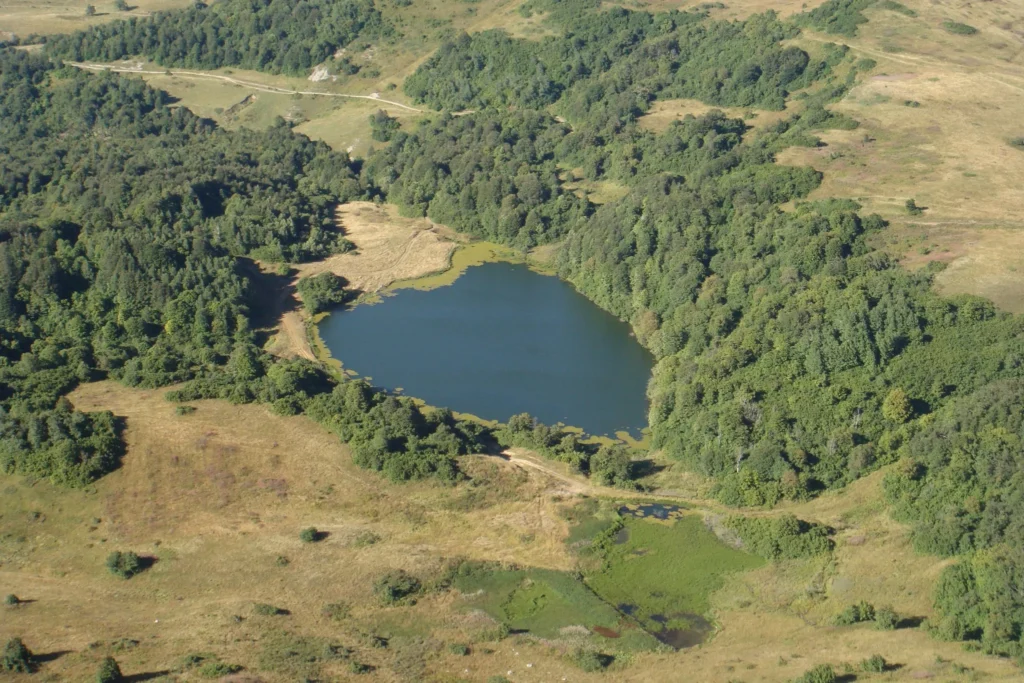
Nearby you can visit Cholevi lake (lake of love)
South of the village of Mravaldzali, the heart-shaped “Lake of Love” (Cholevi Lake) is one of the most popular tourist attractions. It is also called the Lake of Cups or Love (because it is heart-shaped). It is located three kilometers from the village of Mravaldzali, right at the foot of the Cholevi Rock.
Evening : Departure to Ambrolauri
Free time / Overnight in Ambrolauri
Day 3 – Ambrolauri – Lechkhumi – Kutaisi
09:30 – Departure from Ambrolauri
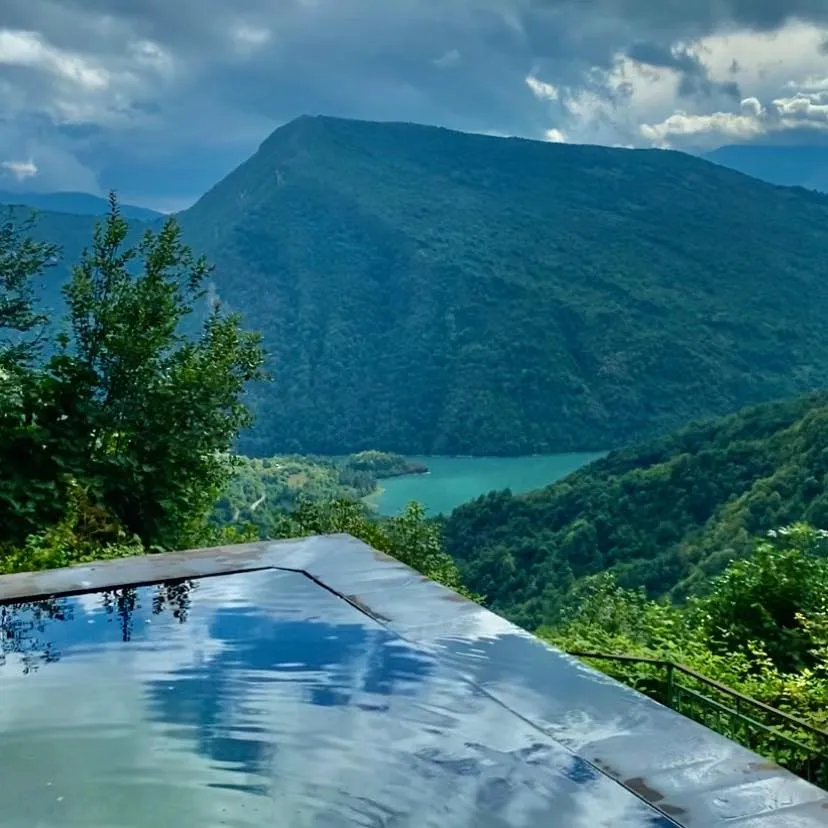
10:30 – Sightseeing at Lailashi
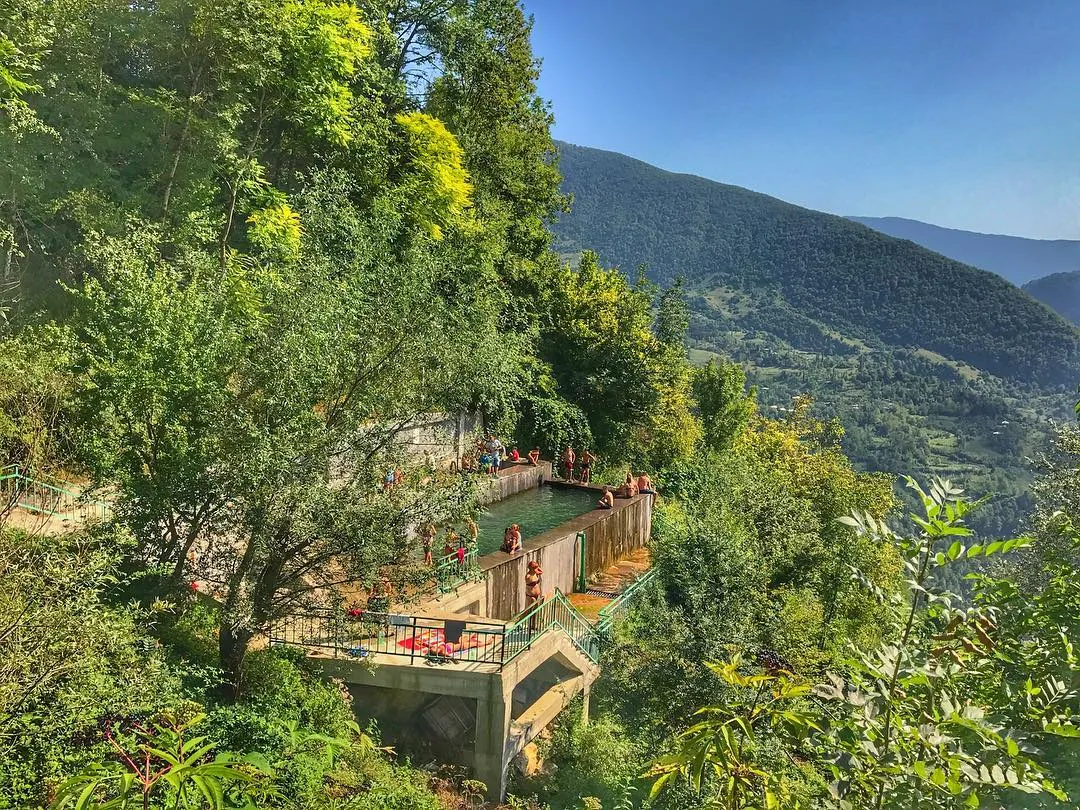
The village of Lailashi is located in Lechkhumi, approximately 850 meters above sea level, on the southwestern slope of the watershed of the Lajanuri and Askistskali rivers. The village is distinguished by its natural beauty and attracts many tourists. Lailashi is especially famous for its pond arranged on a mountain slope, from which magnificent views of the mountains and the Lajanuri reservoir open. The Lajanuri reservoir itself is also a beautiful sight, the flowing greenish-blue water between the green mountains creates a wonderful environment. Churches from the 19th century have survived in the village.
12:30 – Sightseeing at St. George’s Church of Tskheti – located in Lechkhumi, near the village of Tsilamieri. It was built in 1728.
13:30 – Sightseeing stop in Tsageri
Lunch in Tsageri
14:30 – Departure from Tsageri to Kutaisi
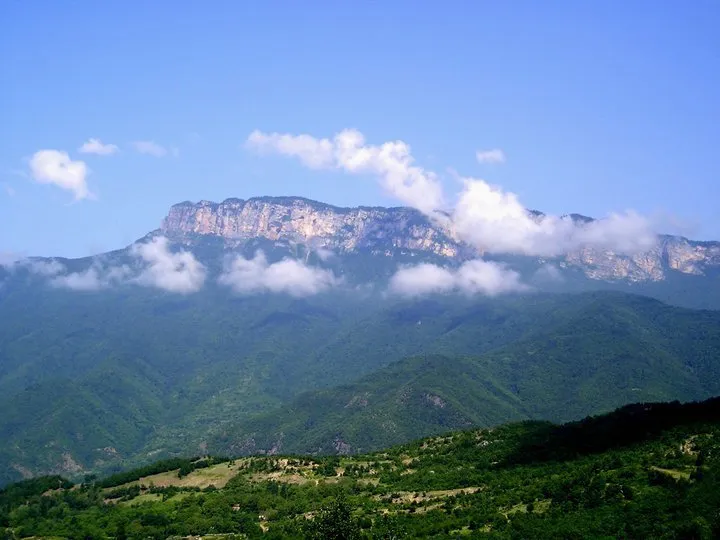
15:30 – Sightseeing stop for viewpoints on Khvamli Mountain
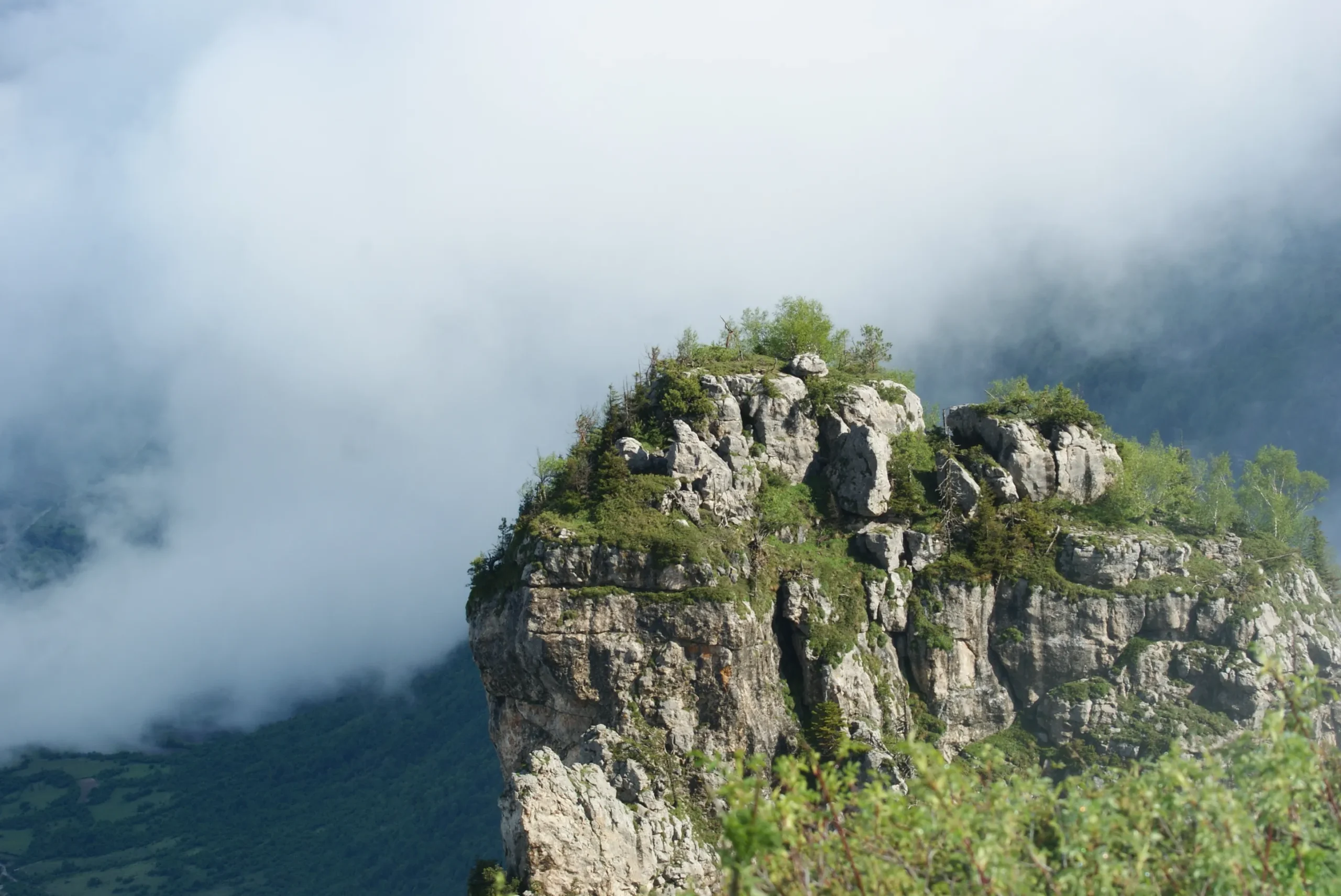
Khvamli massif is located in Lechkhumi, on the border of Tsageri and Tskaltubo municipalities. Its height is 2002 meters. It is a double cuesta. The massif reveals a 300-meter-high cliff to the south, where the historical Khvamli Kvab-Sakhizari is located. Khvamli is covered with mixed forest. Of the caves, Tekenteri and the icy cave – Boga are noteworthy. St. George’s Church stands on Khvamli. Every year, the Khvamloba holiday is held, during which many people visit the Khvamli church. An endless open view opens from the mountain, which makes a great impression on the visitors
17:00 – Sightseeing Stop at Rachkha Waterfall
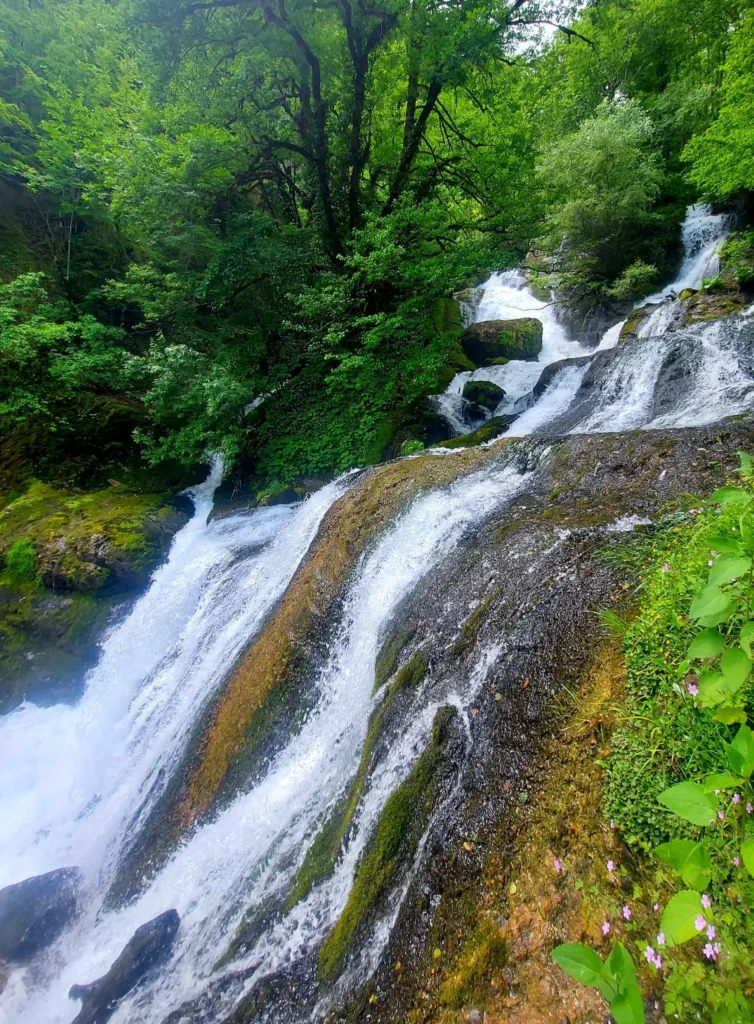
Rachkha Waterfall is located in Lechkhumi, on the Isunderi road, at an altitude of 550 meters above sea level. The waterfall, flowing over the rocks in the gorge, creates a very beautiful sight and attracts many nature lovers. It is surrounded by deciduous forest and is a wonderful sight, both in the spring and in the fall. The waterfall is located on the side of the road and is very convenient for picnics and relaxing in the peace of nature with family or friends.
19:00 – Arriving in Kutaisi / Hotel
free time / Overnight in Kutaisi
For this trip we recommend SUV – vehicle for easy off road