Tbilisi Surroundings

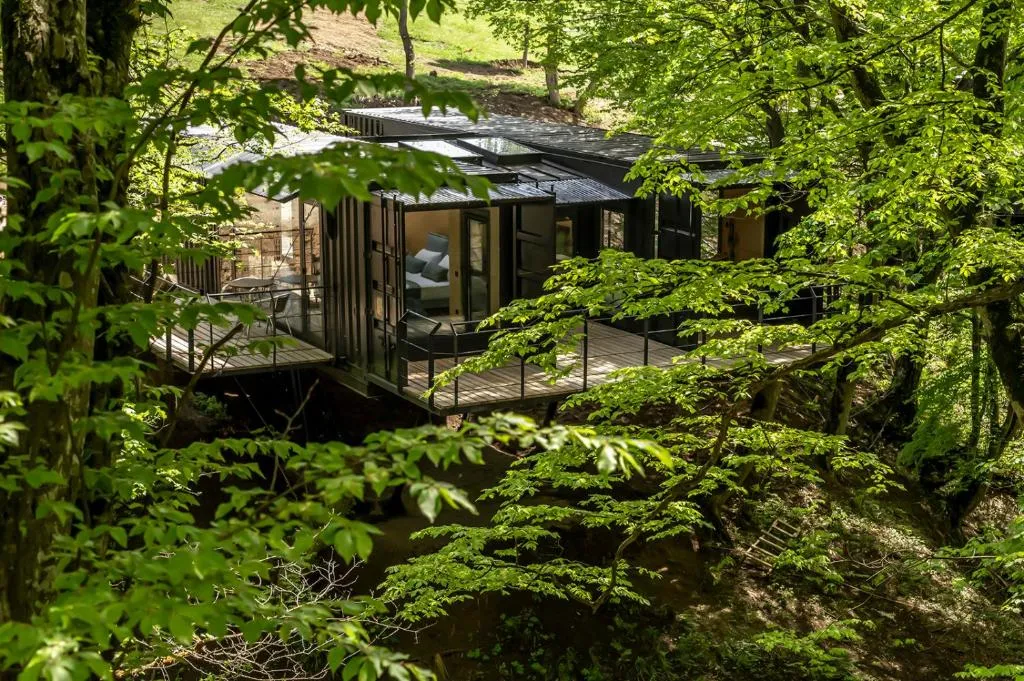


There around 5 main entry/exit roads to from Tbilisi city. All of them lead to different regions of Georgia but already around the city there are some interesting highlights that are worth mentioning and that will be discussed in this post
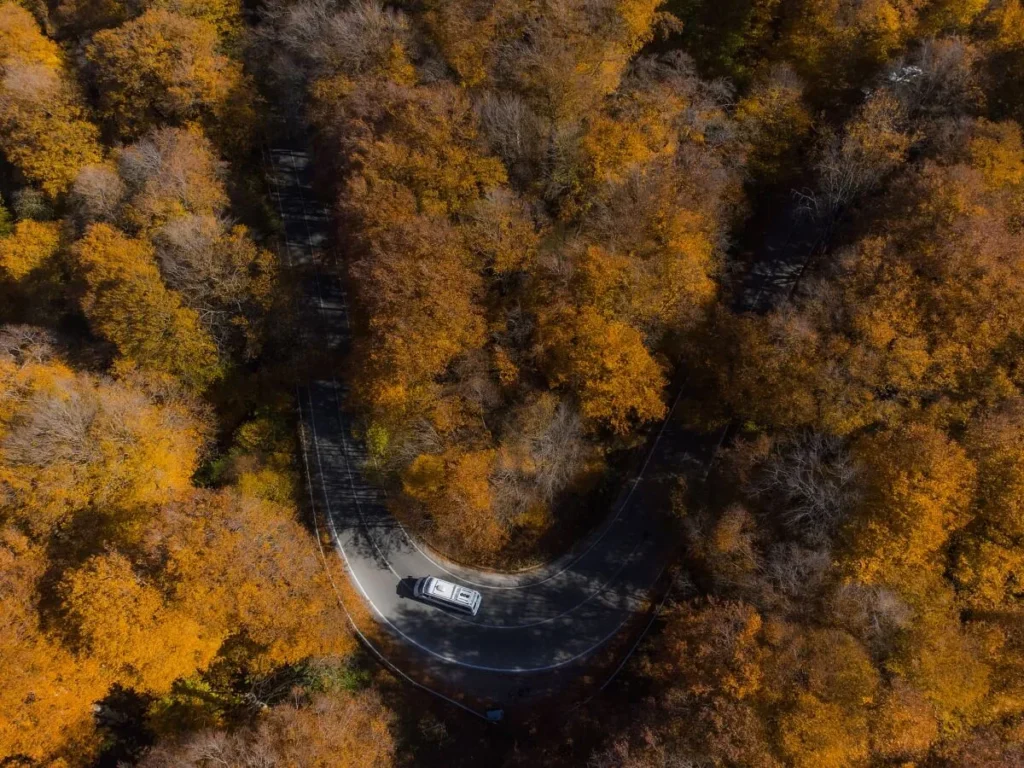

Udzo Monastery
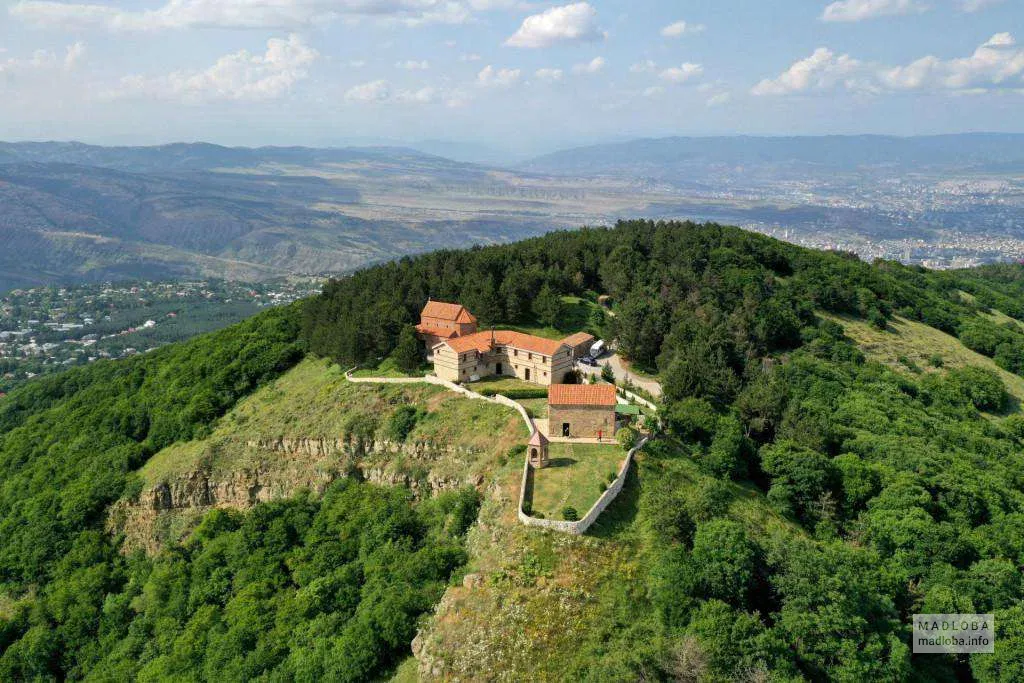
Udzo Mountain is located in Tbilisi municipality, on the top of Mtatsminda ridge of the south-eastern branch of Trialeti ridge. Its height is 1416 meters. St. George’s Fathers Monastery stands on the Udzo Mountain. There are beautiful views from there. You will be able to enjoy the pleasant and cool forest.
The medieval church of St. George of Udzo was built by a childless (Udzo means childless in Georgian) man and he asked St. George to give him a child. His dream came true and after that, childless women used to come here to pray. People who came here to pray, they left a sacrifice on one of the trees (this tree is still called “the wish tree”). After that the word “Udzeo” was also used to describe the mountain and the church. On the Tuesday that follows Easter, Udzo’s day is celebrated. Residents of nearby villages come here , gather for the holiday.
The car road goes to Udzo Monastery.
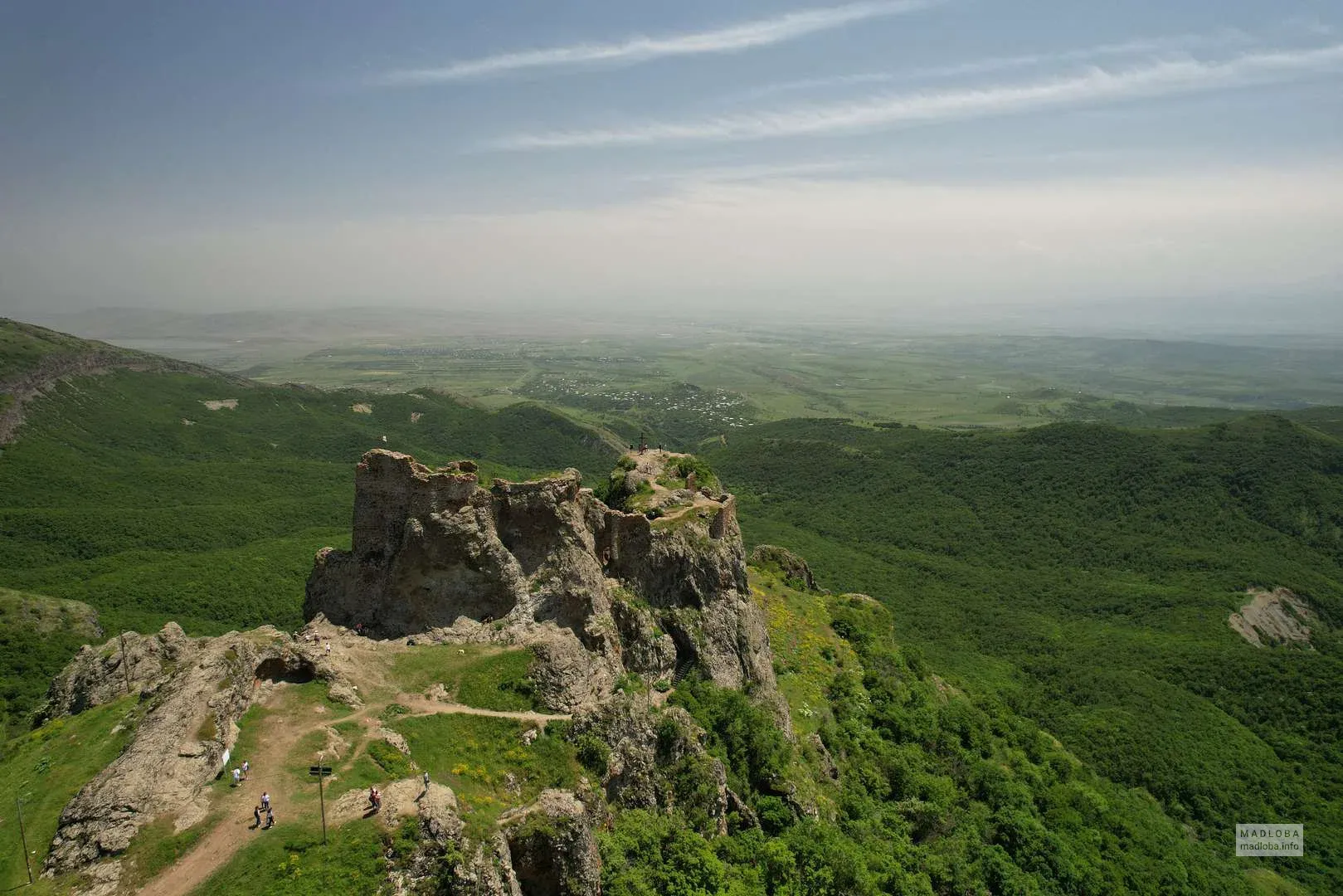
Kojori Fortress (Koroghli Fortress, Azeula)
is located in Tbilisi, 2 km south of Kojori settlement, on Mount Azeula. There are stunning views from the fortress. This is a perfect place for a picnic and relaxing in nature.
The general plan of Kojori fortress doesn’t exist. It has been renovated many times. The ruins of the fence and its two towers at the south-western and northeastern ends are preserved. The fortress is built of crushed stone and brick. Its oldest layer dates back to the second half of the XI century, and fragments of the wall date back to the XVI-XVIII centuries.
It is possible to get to Kojori fortress by car. The last part of the route is the dirt road. It is also possible to get close to the fortress by Kojori bus. If you go by bus, you need to walk about 1.5 km.
View on map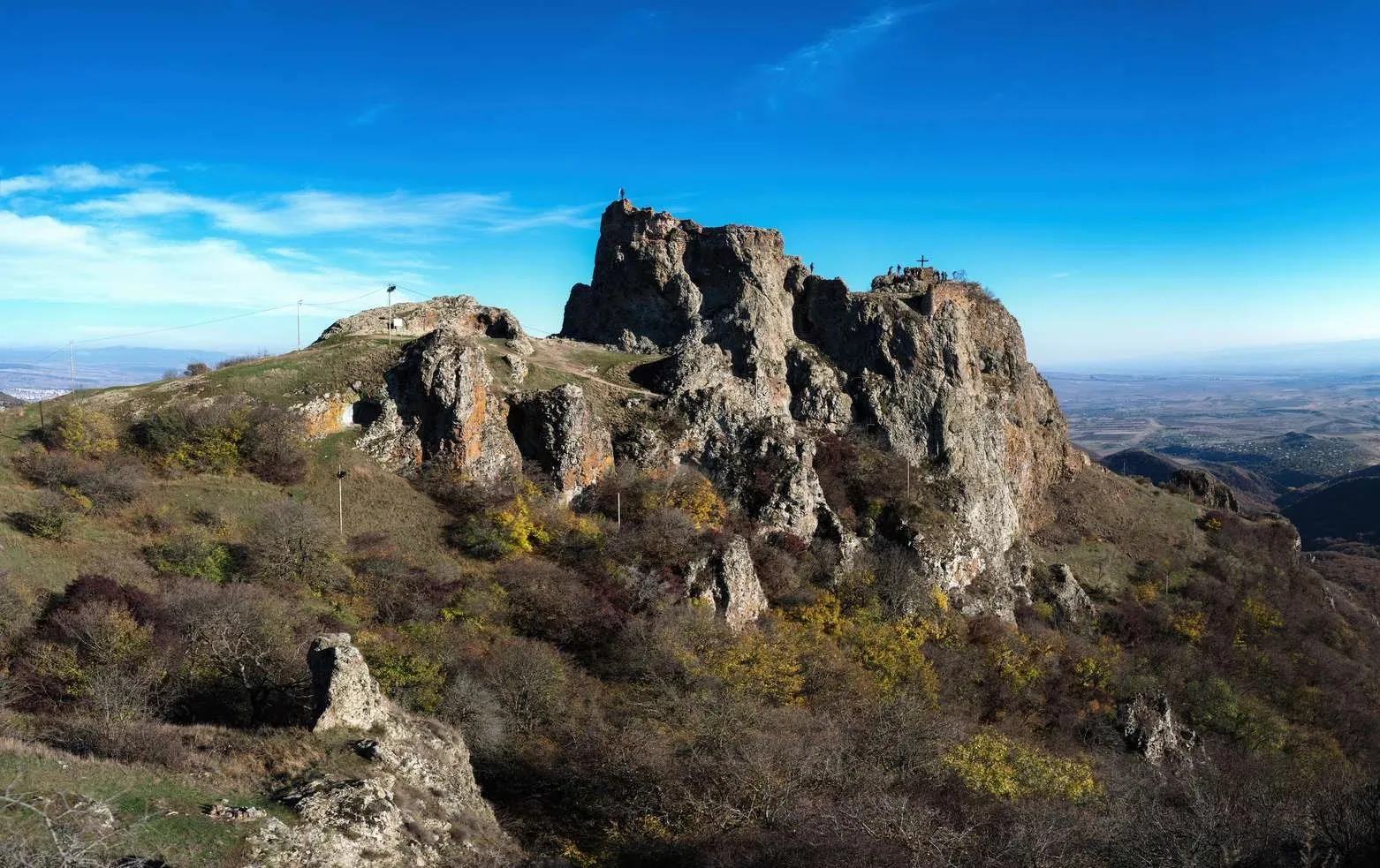
BIOLI Wellness Resort
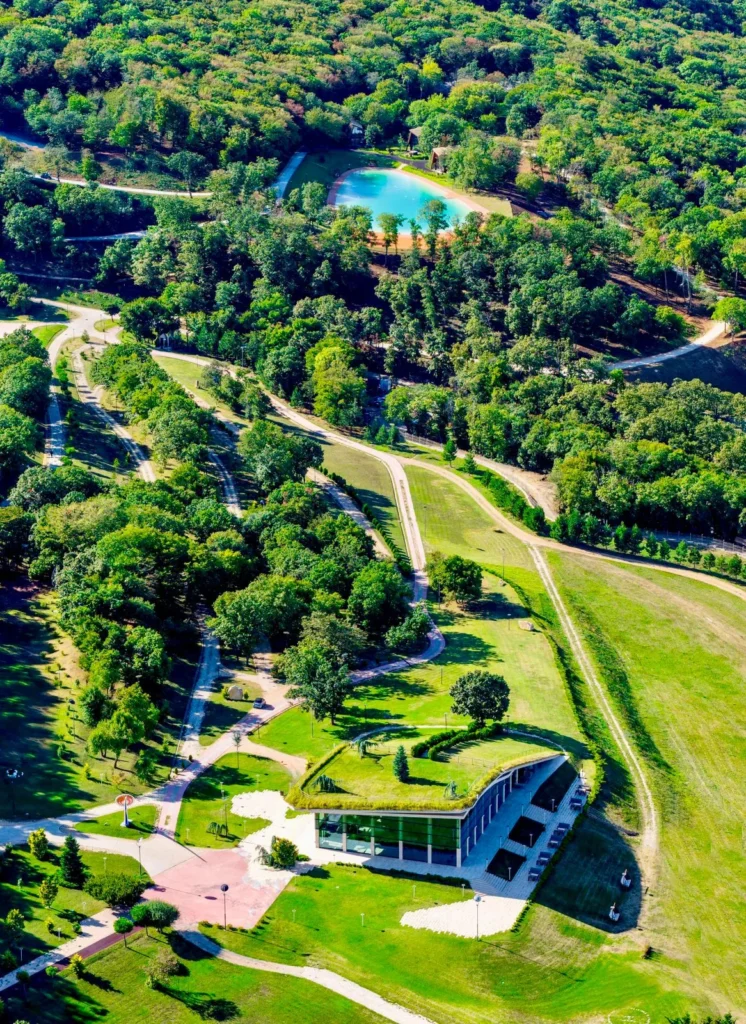
BIOLI Wellness Resort is a luxury medical and wellness retreat located in Kojori, Georgia, near Tbilisi, known for its holistic programs that focus on preventing cell aging through the use of modern technology combined with traditional Georgian practices. The resort offers spa treatments, yoga, and customized wellness plans that incorporate personalized nutrition, based on individual medical diagnoses and unique Georgian phyto-resources, and are delivered in a tranquil mountain setting.
Bioli, a unique wellness oasis floating 1,200 meters above Tbilisi, where pure air, mystical nature, and absolute tranquility redefine well-being. Just 15 km from the capital and 30 minutes from the airport, Bioli offers breathtaking panoramic views, blending health, longevity, and harmony in an untouched natural paradise. nestled within 32 hectares of pristine forest, Bioli is more than a resort—it’s a transformative experience.
resort offers Personalized Health & Wellness Programs.

Betania Church
Betania is a cross-domed temple, a monument of Georgian architecture. It was built at the end of the XII-XIII centuries. The monastery is located near village Kveseti.
Betania is located in the isolated wooded valley of the Vere River, 16 km southwest of Tbilisi. The name of the monastery is derived from that of the village Bethany in Palestine recorded in the New Testament as the home of Mary, Martha and Lazarus, as well as that of Simon the Leper.
The history of the monastery is poorly recorded in Georgian historical tradition. It was a familial abbey of the House of Orbeli. The donor image of Sumbat and Liparit Orbeli before the Mother of God appears on the south transept of the monastery. The Orbeli were temporarily dispossessed of their estates by the royal crown at the end of the 12th century, but their later offshoot, the Gostashabishvili family, appear to have been the monastery’s owners in early modern Georgia.
A series of conflicts and foreign invasions that fill the history of Georgia left the monastery depopulated and half-ruined. It was restored, in the latter half of the 19th century, through the efforts of Hieromonk Spiridon Ketiladze who resigned as an abbot in 1922 and was succeeded by Hieromonk Ilia Pantsulaia. Both these monks were shot during the Soviet purges. Betania remained the only operating Georgian monastery, though unofficially, until 1963, when it also became defunct for the next 15 years. In 1978, the energetic Patriarch of Georgia Ilia II succeeded in obtaining permission from the Soviet authorities to reopen a monastery at Betania. In the 1990s, the cloister was refurnished and the local monastic community grew in size and influence.

Kiketi Farm
In Kiketi, 25 kilometers away from Tbilisi, at an elevation of 1,100 meters, on the site of the Soviet period farm, has been established recreational, cultural and educational space – Kiketi Farm, which contributes to the development of ecotourism in Georgia.
The territory of an old farm has been revived and transformed into a multifunctional space, that is spread over 10 hectares unifying several establishments: wine cellar, stable, spa center, cognitive-educational space, rose nursery, restaurant, two cafes, gallery, yoga house and Container hotel, tree houses and hotel Hippodroom.
Our philosophy involves creating new spaces and maintaining an authentic look for existing buildings, promoting ecotourism in Georgia, bringing children and youth closer to nature, developing local farming and raising awareness of environmental issues through minimal interference with nature.
In the Kiketi Farm, a separate area is dedicated to the hotel district, where the construction of up to 10 hotels of various scales, shapes, and architectural styles has begun. Each one represents a synthesis of nature and architecture. Here you will meet both traditional Georgian and modern-style buildings.
So-called ‘Village’, a complex of ethnographic – Oda houses, is part of the hotel district. Houses are brought from the western part of Georgia (Imereti, Samegrelo, Racha). They are located on the edge of the forest and are adapted to nature and landscape. This architectural form is intriguing, merging 19th century Georgian architecture with modern architectural style. From autumn, Oda houses will start functioning as cottage-type hotels.
Also worth visiting area: Kiketi VIEWPOINT
View on map

Tbilisi National Park
Tbilisi National Park is located around Tbilisi and spreads out in three directions. It presents a variety of landscapes and places of interest. It is the best place to relax. There are special picnic areas in the park. Visitors also have the opportunity to choose a form of recreation: horseback riding, hiking or car tours. The park also has roads for easy, medium and difficult cycling routes. It is also possible to spend the night in a tent in the park, as appropriate places are marked.
It also includes the Sabaduri Forest, which is becoming an increasingly popular tourist destination. This forest is beautiful in all seasons, but it is especially beautiful in autumn and winter, when it is covered with leaves and/or snow and can be reached comfortably by car.
Tianeti
Tianeti is a mountainous region located 1,000-3,000 meters above sea level. Head north from Gldani, one of the largest districts in the capital of Tbilisi, and go uphill.
There are other roads towards Tianeti, one from Jhinvali, Saguramo, Kakheti, and the other from Gldani. The road from Gldani is the most beautiful as it passes through 8 kilometers of Sabaduri forest, which is spectacular any season of the year with its beech, oak, and linden trees.
Once you arrive in Tianeti city center and take a walk in the Kujana garden, take a minute to speak with some locals who will happily give you advice on what to see.
In the city center, there is a local museum, where archeological materials discovered in the area are on display.
Enter Ghulelebi village and the long, beautiful Ertso alley. Once you go up the hill you will see Sioni lake and in a couple of minutes, you are surrounded by mountains.
View on map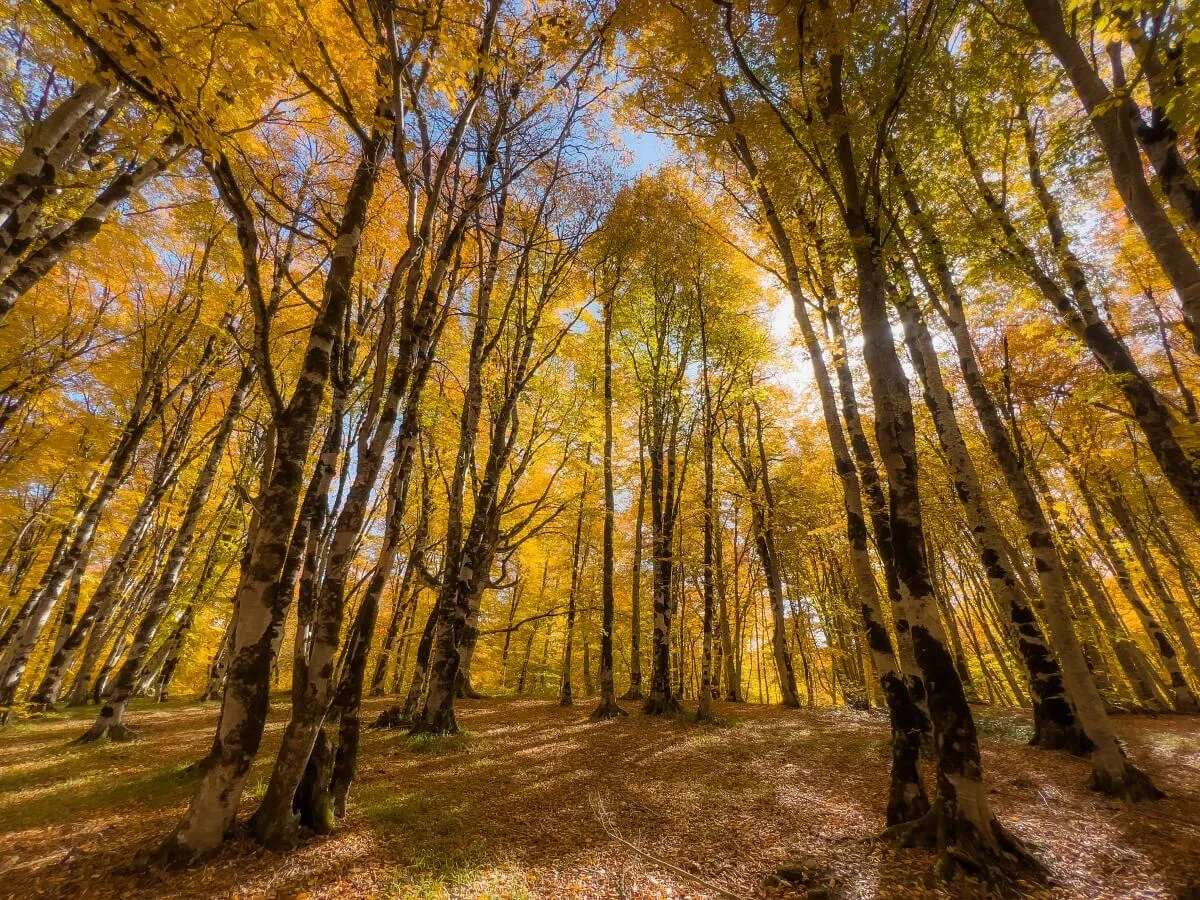

Archili Monastery
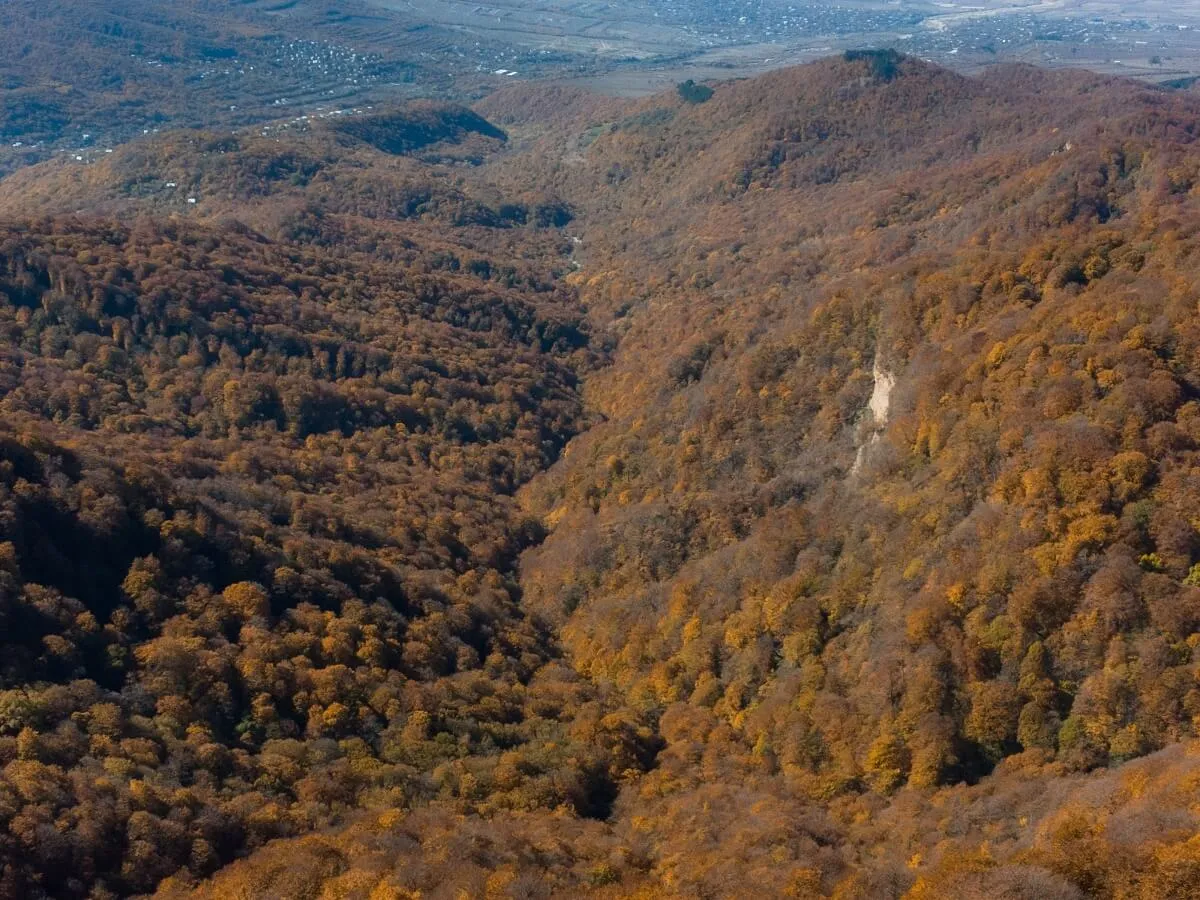
The monastery stands atop Sioni Hill. It was built for a brave King Archil of Kakheti who died in the name of Christ. The complex consists of two hall-style churches, a five-story tower, a wine cellar, living quarters, and the remains of a gate, all of which come from different time periods.
It is believed that later, during the high Middle Ages, a second church, a wine cellar, living quarters, and a wall were built here. The oldest building in the monastery complex is a church built in the 8th century by King Archil. After his tragic death, he was buried nearby, in the monastery yard.
It is also believed that the most prominent Georgian royals, such as King David Agmashenebeli (the Builder) and Queen Tamar were visiting and staying in the monastery.
Khinkali place at Ghulelebi
Monastery Khinkali
Ertso Fortress is located near Meliaskhevi Village in the Mtskheta-Mtianeti Region. The tower is built on high ground, allowing it to watch over the surrounding area like a steadfast guard.
An inscription on basalt rock over the door to the fortress says that the tower was built in memory of Georgia’s past and to preserve its bright future. The three-story tower has windows on each level, and is crowned by beautiful, semi-circular battlements.
The fortress-tower was restored in 1983. A few steps away are the ruins of an ancient church.
The three-nave basilica of Zhaleti – also known as the Shrine of St. George (Tsminda Giorgis Khati), is located in the Mtskheta-Mtianeti region, in the Tianeti municipality, near the currently flooded village of Sakaraulo, on the right bank of the Iori River.
The local population calls the three-nave basilica of Zhaleti the Shrine of St. George (excavated in 1958-1960, restored in 1961-1962). In the scientific literature, this basilica was mistakenly called the church of Zhaleti. The basilica dates back to the 9th-10th centuries. A baptistery decorated with relief figures, dating back to the early Middle Ages, was also discovered there.
Ertso Zhaleti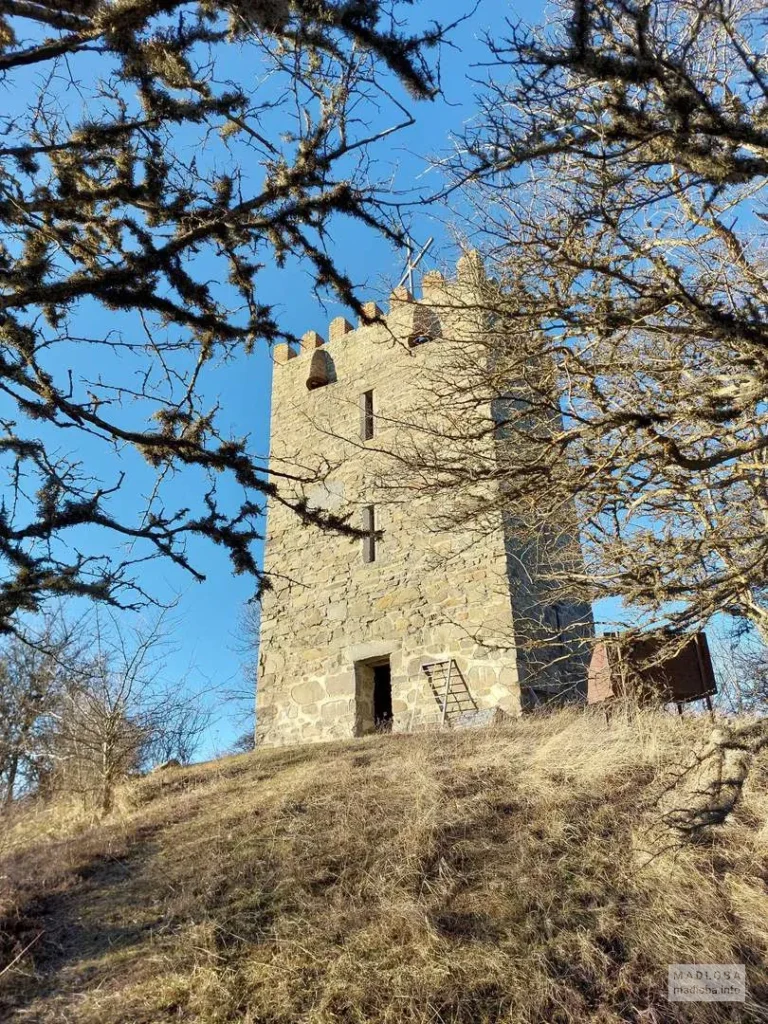

Sioni Village & Lake
Sioni is a townlet in Georgia, the part of Tianeti Municipality, in the Mtskheta-Mtianeti region. Located 80 km from the Tbilisi railway station, it arose in 1951 during the construction of the Sioni reservoir.
Sioni is located 1000 meters above sea level. It is a climatic-balneological resort of local importance. Sioni stands out by its beautiful nature. Mountains, forests, amazing views, blue water, fresh air and a healthy environment attract many tourists. Several medieval cultural monuments stood at the site of the Sioni Reservoir, most of which are currently flooded. One of the monuments, the 5th century basilica, was dismantled during the creation of the reservoir and transferred to the Ethnographic Museum in Tbilisi. Sioni is one of the wonderful places for lovers of relaxation in the tranquility of nature and it is visited by many people every year. Traveling from Tbilisi to Sioni village in the Tianeti area takes a little more than an hour. This resort, distinguished by its natural conditions, climate, and proximity to the capital, attracts many vacationers, especially in summer.
Along with the mountain air, Lake Sioni is also renowned for its reservoir where you can swim and cool off in the summer. The locals use water from the reservoir for irrigation and the surrounding infrastructure makes recreation more pleasant.
The Iori River feeds the reservoir and regulates its discharge. Lake Sioni reaches its maximum level in the second half of July, and its minimum level in March.
Fudznari Virgin Mary Church
This is the chapel, dated back to XIII century, which is located in eastern Georgia, on the side of Mtskheta-Mtianeti, in the municipality of Dusheti, north-east from the village, on the way to Tianeti, 2-3 kilometers from the river Bodaviskhevi, above this river, on a valley.
The Fudznari Virgin Mary Cathedral is the oldest domed church in the whole of tianeti. It is also distinguished for the dome as well, as domed churches are very seldom in east Georgia.
Behind the dormers, on the three sandstones, one can find out slightly damaged capital-lettered endorsement: “Q. In the name of the Father, and of the Son and of the Holy Spirit (here, other words aren’t readable), I, the great mother of SHN brisk the daughter of Khatunai, built this chapel for our souls, for our children, and for future children of ours (here, still, you can’t see the words clearly) the church (here, as well, the last words aren’t visible).
According to one group of scientists, they suppose that under the name “Khatunai” we may think that is the so-called mistress, the wife of Lasha-Giorgi, the mother of David Ulu, Khatuna. They think that she is the one who built this chapel.
The Fudznari Virgin Mary Cathedral was badly damaged until 2017 when they started the renovation. For today, the cathedral is fully restored.
View on map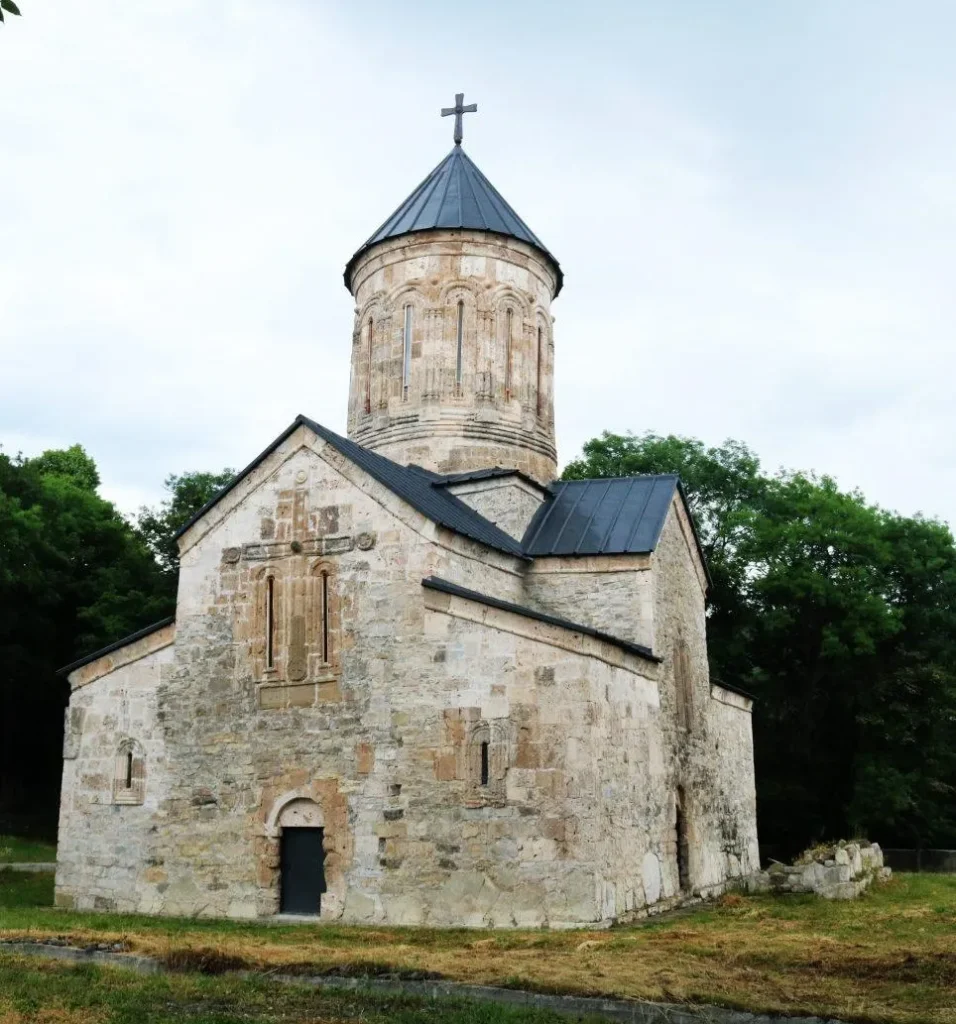
Tsodoreti Lake is located in the Mtskheta-Mtianeti region, near the village of Tsodoreti, Mtskheta municipality. This place is very good for a picnic, relaxing in nature with family or friends. The lake is very small and most of it is covered with aquatic plants, however, the forested slopes and open spaces create a very beautiful environment. There is a road leading to the lake, so if you are not able to travel long distances, you can easily get to Lake Tsodoreti and relax from the noise of the city.
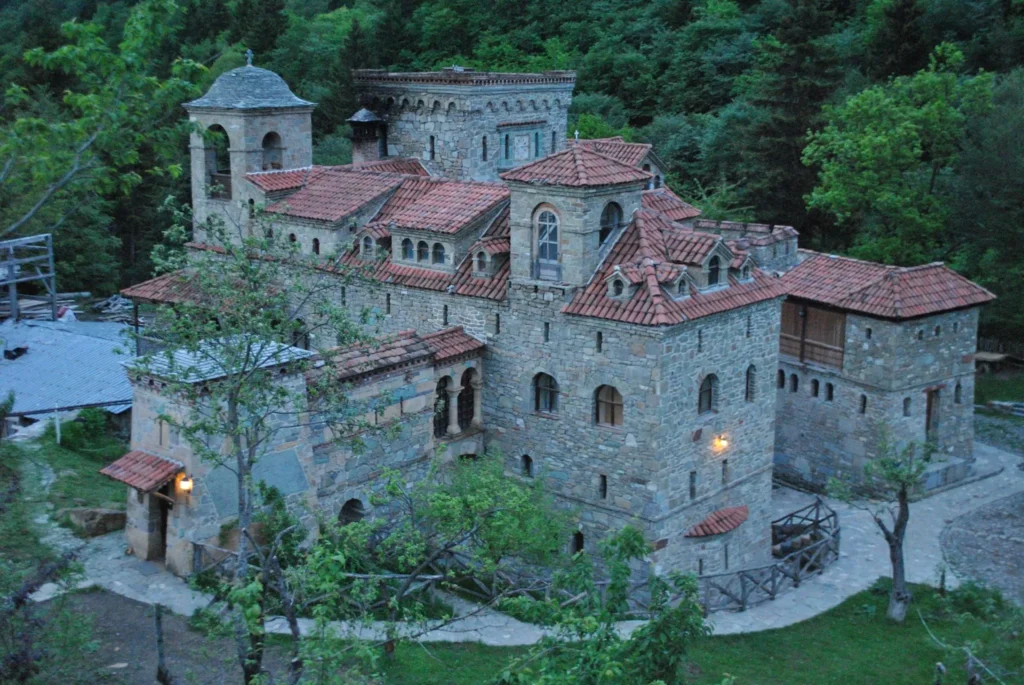
Bevreti Monastery Nestled in a forested gorge just outside Tbilisi, the Bevreti Nunnery is a tranquil retreat of faith and nature. The small convent features a church built in the style of the 10th-century fortress-church Kvetera Church, giving it a uniquely historic feel despite its more recent origins. A stroll through the surrounding woods, listening to the river and glimpsing the monastery from the hillside, adds a layer of peaceful charm many travellers appreciate.
View on map

Chili Lake
is located in the Mtskheta-Mtianeti region, in the Mtskheta municipality, in the village of Telovani, a few kilometers from the Mukhatgverdi cemetery, at 1,130 meters above sea level. If you are not able to go on long hikes and are looking for a beautiful place near Tbilisi to relax in nature, you will definitely like Chili Lake. The lake is beautiful in all seasons of the year, hidden in green, colored with autumn colors, or wrapped in winter whiteness. Chili Lake freezes in winter, so you can also walk on the ice. This place is also often visited by fishing enthusiasts. You can have a picnic here, as well as arrange a short hike. Along the way, you will enjoy the beautiful views of Tbilisi and the Caucasus. Chili Lake is especially popular in summer. There is a road leading to the lake, although it is only accessible by off-road vehicle. You can also take the bus to Mukhatgverdi Cemetery and then continue on foot.