Kakheti Wine Region
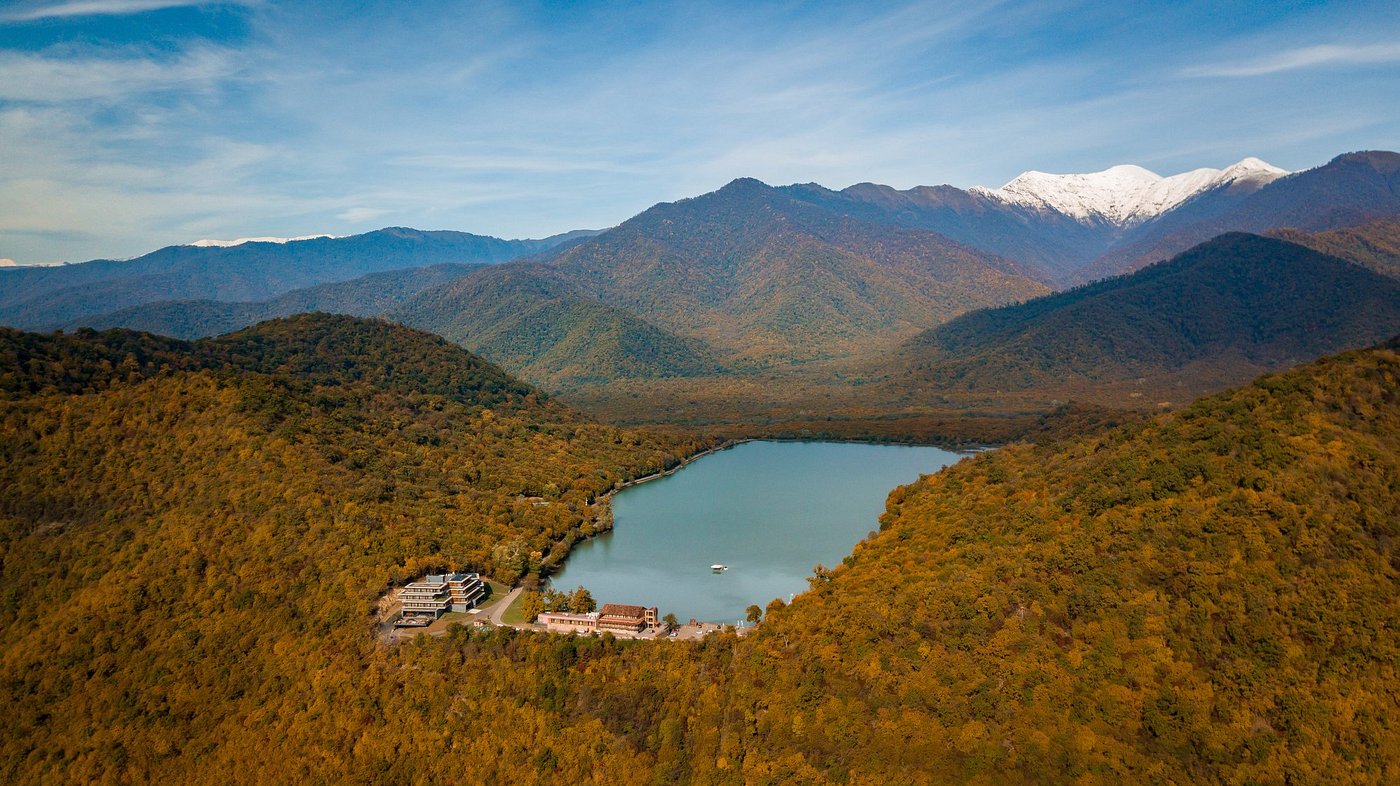
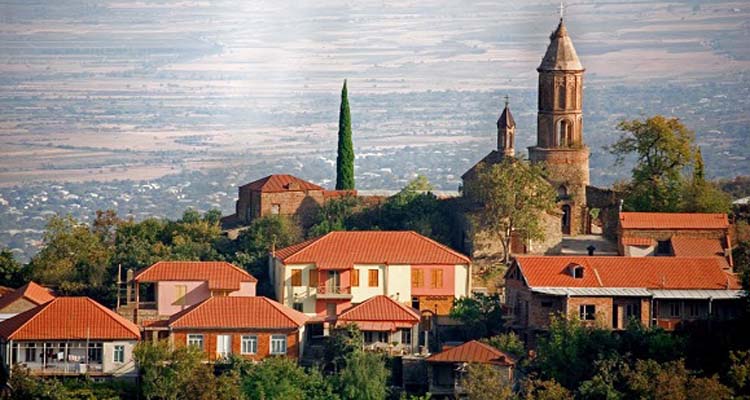

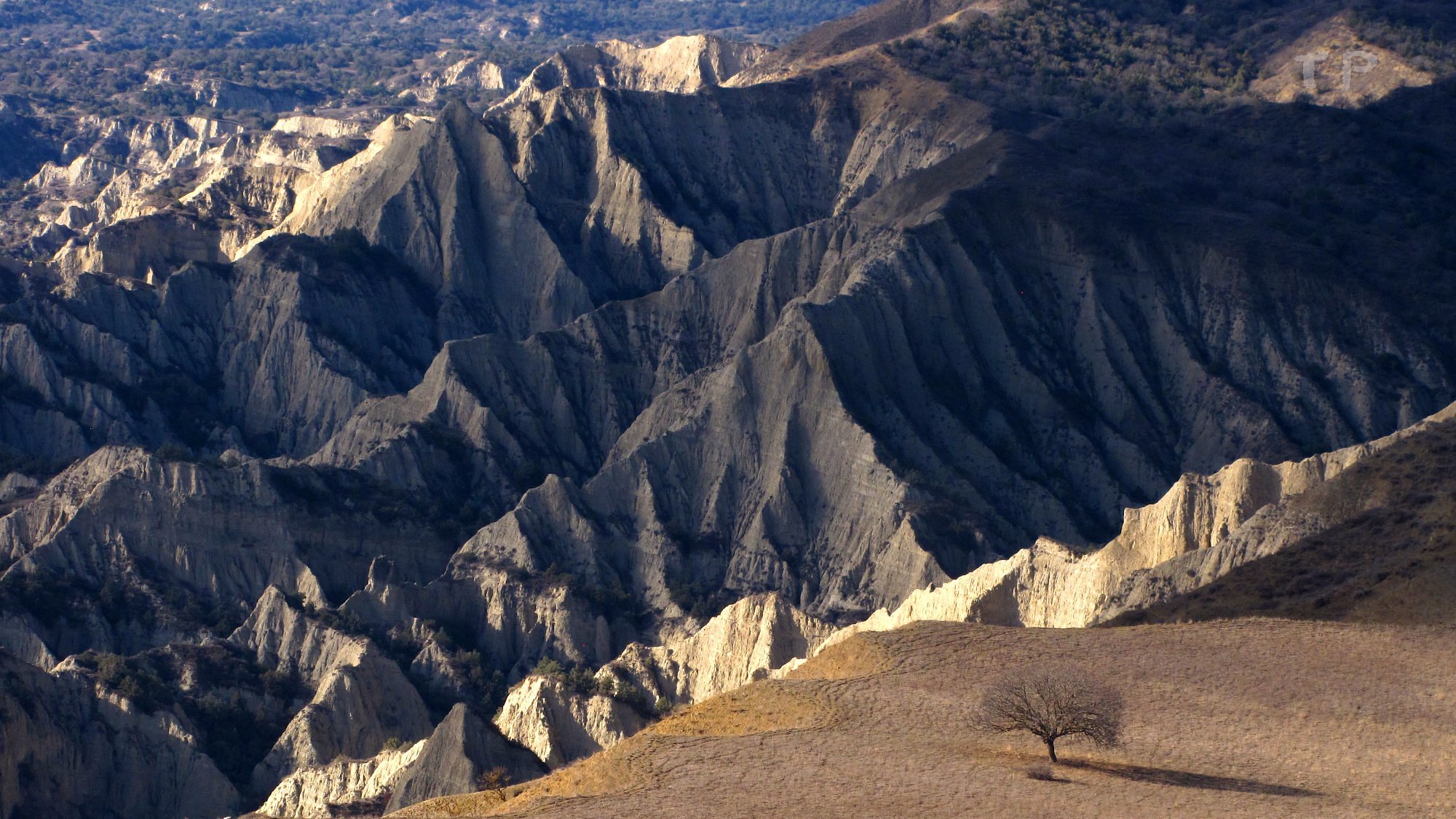
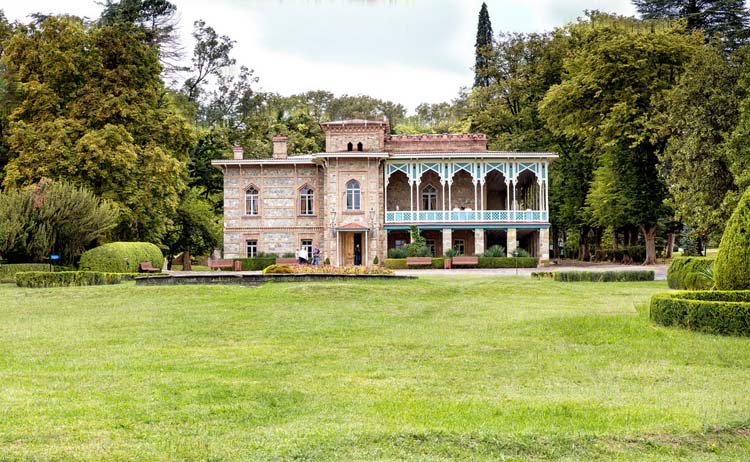

West Khakheti – near Tbilisi
The road to Kakheti region splits in two – one goes through Sagarejo which offers a longer route to Telavi – the capital of Kakheti, and another shorter route goes over Gombori pass with beautiful views. Below we describe both routes with some important highlights that should not be missed on the way.
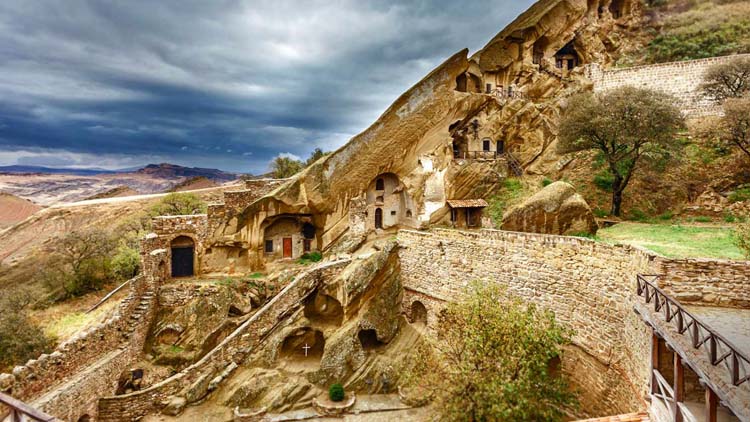
David Gareji Monastery Complex
6th-century rock-hewn monastery complex, at the border with Azerbaijan, is one of Georgia’s most magical and mysterious places, carved into the rocky hills of the semi-desert near Udabno. Founded by Saint David, one of the thirteen Assyrian monks who came to spread Christianity in Georgia, the monastery complex stretches across caves and cliffs filled with ancient frescoes and hidden chapels. Its golden-brown landscape glows in the sunlight, giving the whole area a timeless, almost sacred atmosphere. Though it has faced invasions and natural erosion over the centuries, David Gareja remains a powerful symbol of Georgian faith, endurance, and art — a quiet sanctuary where history and nature meet in breathtaking harmony.
The Udabno monastery – part of the complex, is known for its medieval cave paintings and is a popular destination for tourists, although access to some parts of the site can be restricted due to the ongoing border dispute with Azerbaijan.
WARNING: Keep your attention sharp and do not go too far in fields from main roads & trails, the area is full of the most venomous Snakes (Macrovipera lebetinus -”Giurza”).
View on mapUdabno
Udabno is a small, windswept village in eastern Georgia, sitting on the edge of the semi-desert on the way to the David Gareja monastery complex. Its name means “desert” in Georgian — a fitting title for a place surrounded by dry hills, wide open skies, and striking, almost otherworldly landscapes. Once built to house families relocated from the mountains, Udabno nearly became a ghost village after the Soviet era, but in recent years, travelers and artists have brought new life to it. Today, it’s known for its mix of Georgian and Polish residents, colorful murals, cozy guesthouses, and the feeling that you’re standing at the edge of the world, where silence and wind tell old desert stories.
One of the highlights of the village is a Polish co-owned restaurant / hostel / hotel called “Oasis Club”. They serve good quality Georgian and European dishes, cold drinks and provide just a very atmospheric environment for enjoying the surroundings.

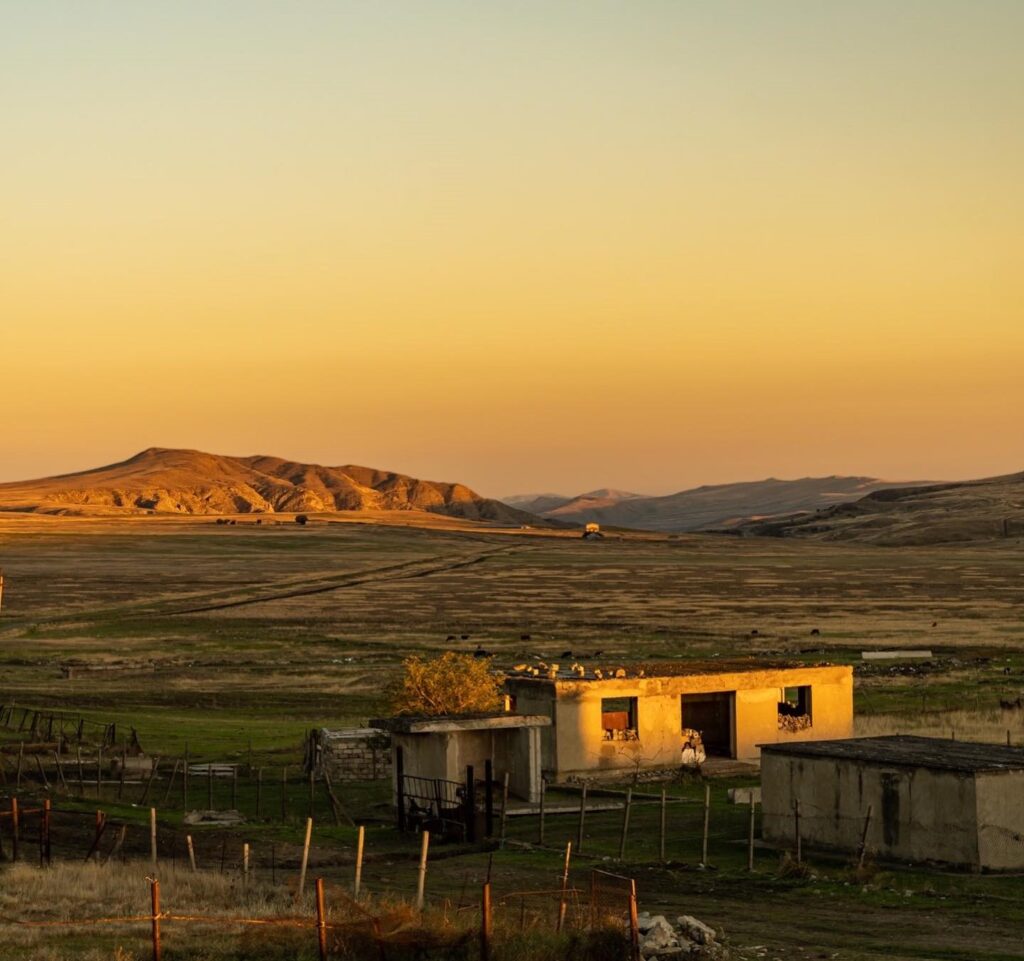
Mravaltskaro Reservoir – is an artificial lake in about 40 kilometers southeast of Tbilisi. It was created by damming the Algeti River to supply water for irrigation and nearby industrial needs. Surrounded by rolling hills and rocky landscapes, the area has a quiet, almost otherworldly beauty—especially at sunrise, when the light reflects off the calm, turquoise water. Though not a major tourist spot, it attracts locals for fishing, picnics, and off-road adventures. Interestingly, the name “Mravaltskaro” means “many springs” in Georgian, a fitting title for a place born from the meeting of land and water.
The Mariamjvari Reserve – is a small but remarkable protected area in eastern Georgia, near the town of Sagarejo. It was established to preserve the unique relict pine forest that grows only in this region—trees that have survived since the Ice Age and don’t grow anywhere else in the country. Covering a mix of rocky slopes and gentle hills, the reserve is home to rare plants and wildlife like brown bears, roe deer, wild cats, forest marten, bats, owls, hawks, green woodpeckers and other birds and animals. The whole territory of the reserve, more precisely 99% consists of pine, oak and beech forests. 1% of the reserve is occupied by alpine meadows. Because of the mountain relief, the climate of the reserve in the upper parts is quite severe. In spring, the forest floor bursts into color with wildflowers, making it a favorite spot for nature lovers and hikers. Quiet, ancient, and beautifully untouched, Mariamjvari feels like stepping back into a much older, greener world.
Manavi Fortress Complex – is a fascinating medieval site located near the village of Manavi. Perched on a hill the fortress once served as a strategic stronghold protecting trade routes and nearby settlements. Though partly in ruins today, its stone walls, towers, and hidden passages still tell stories of battles and local life centuries ago. The area around the fortress is peaceful and scenic, making it a great spot for a short hike and a glimpse into Georgia’s rich, layered history—where every stone seems to whisper tales from the past Manavi Church of the Nativity of the Blessed Virgin Mary is one of the last examples of old Georgian domed churches,

Chailuri (Niakhura) Castle – is a striking medieval fortress standing on a hill near the village of the same name. Built of rough stone and brick, it once guarded important roads and settlements in the Alazani Valley. The fortress closed the strategic entrance to the whole Iori valley and, together with the Manavi fortress, was a barrier for the enemy on the way to Tbilisi. Though time has worn down much of the structure, its tall walls and surviving towers still hint at its former strength and importance. Surrounded by vineyards and open fields, the castle offers a beautiful view of the Caucasus Mountains, making it a favorite stop for history enthusiasts and travelers exploring Georgia’s wine country. It’s a quiet, atmospheric place where the past feels very close.
Ninotsminda Mothers’ Monastery – Located near Sagarejo, is one of the country’s oldest and most spiritual landmarks. Founded in the 6th century, it once served as an important religious and cultural center. At its heart stands the ancient basilica of St. Nino, partly in ruins yet still graceful, with elegant stone carvings and a peaceful atmosphere that seems to echo centuries of prayer. Today, the site is home to a community of nuns who continue its long tradition of faith and quiet devotion. Surrounded by vineyards and open hills, the monastery blends history, spirituality, and the timeless beauty of the Georgian landscape.
Badiauri Village – is a charming village best known for its traditional bread-making and warm hospitality. Nestled among rolling hills and vineyards along the road to Telavi, it’s a popular stop for travelers who want to watch locals bake “puri”—Georgian bread—inside deep clay ovens called tone. The air is filled with the smell of fresh bread, and visitors are often invited to taste it straight from the oven. Beyond its famous bakeries, Badiauri offers a glimpse of everyday rural life, with stone houses, gardens full of grapes, and stunning views of the Caucasus Mountains. It’s a simple, welcoming place that perfectly captures the heart of Kakheti.
View on mapUjarma – a historic fortress-town located on a hill above the Iori River, in the village of Ujarma, near the Gombori Pass, on the edge of the road connecting Tbilisi-Telavi, on the right bank of the river Iore. Founded between the 3rd and 4th centuries by King Aspagur of Iberia, it once served as a royal residence and an important military stronghold. This castle is in reconstruction , but it is possible to enter and enjoy the amazing views of the Gombori area. There’s an Entrance fee, Charged 10 GEL per person.
Gombori Pass viewpoint, where The Gombori Pass reaches a highest elevation of 1620 meters above sea level.From the Pass, the road takes you through a leafy forest near Tetri Tsklebi and Kobidze Village.
Tetri Tsklebi Resort (White Waters) – is a village known for its beautiful nature, with forests, mountains, and stunning views that make it a perfect spot for nature lovers. The area is also famous for its sulfur springs, which are believed to have healing properties. Beyond its natural beauty, Tetri Tsklebi has a rich cultural and historical background. People have lived here since the Bronze Age, as shown by ancient settlement remains found in the area. Visitors can explore several medieval churches and castles, including the ruins of the Virgin Church (8th–9th centuries), Kunturi Church (7th–16th centuries), and the Kadjiankhevi Church from the late Middle Ages. One of the most notable landmarks is Psiti Castle, whose oldest parts date back to the 5th–6th centuries. Tetri Tsklebi is an ideal destination for anyone seeking relaxation, natural beauty, and a touch of history.
Wineries on the way
KTW Wine House, is a popular destination where visitors can experience the country’s rich winemaking traditions firsthand. Part of the Kakhetian Traditional Winemaking (KTW) company, it combines modern facilities with ancient Georgian methods, including wine made in qvevri—large clay vessels buried underground. Guests can tour the cellars, learn about the winemaking process, and taste a wide range of local wines and chacha, Georgia’s famous grape brandy. Surrounded by vineyards and scenic countryside, KTW Wine House offers a warm, authentic glimpse into Georgian hospitality, where every glass tells a story of history, craft, and celebration.
Giuaani Winery – a family-run winery in Georgia’s Kakheti region, where local grape varieties are crafted into excellent wines using both traditional and modern methods. Visitors can enjoy a tour of the winery, taste a variety of wines in a relaxed atmosphere, and even take part in cooking classes or dine at the on-site Georgian restaurant. With its beautiful setting and focus on authentic winemaking, Giuaani Winery is the perfect place to experience the flavors and culture of Georgian wine.
Gurami Papa’s winery – is a family-run winery in Sagarejo, Georgia, offering visitors an authentic taste of Kakhetian winemaking traditions. Guests can enjoy a guided wine tasting featuring four distinct wines, including Saperavi and Kindzmarauli, complemented by oak-flavored chacha. The tasting experience is enhanced with traditional Kakhetian snacks such as shoti (bread), sulguni cheese, olives, and seasonal fruits. Additionally, the winery offers masterclasses where visitors can learn to make khachapuri, khinkali, and churchkhela, providing a hands-on cultural experience. The warm hospitality and homely atmosphere make it a memorable stop for those exploring Georgia’s rich winemaking heritage.
557 42 89 41 bestwineryever@gmail.com
Dodashvili Street N7, Sagarejo, Georgia
Family winery “LILEO”
is a cozy, family-run winery located in the heart of Sagarejo, Kakheti, Georgia. Established in 2020, the winery is set in a traditional family home and cellar, reflecting the owners’ deep connection to their heritage. The name “LILEO,” meaning “sun” in ancient Georgian, symbolizes the warmth and energy that goes into every bottle of wine. Visitors can enjoy a warm, welcoming atmosphere, taste hand-pressed traditional Georgian wines, and savor homemade dishes prepared with local ingredients. The winery offers an immersive experience, allowing guests to learn about the family’s winemaking traditions and feel like part of their story
11 Satave street, Sagarejo 3800
592 04 00 04
Karmidamo – Village Khasmi / Sagarejo – karmidamo01@gmail.com
599 13 57 02 – Family run Guesthouse / traditional food / cuisine experience/ masterclasses
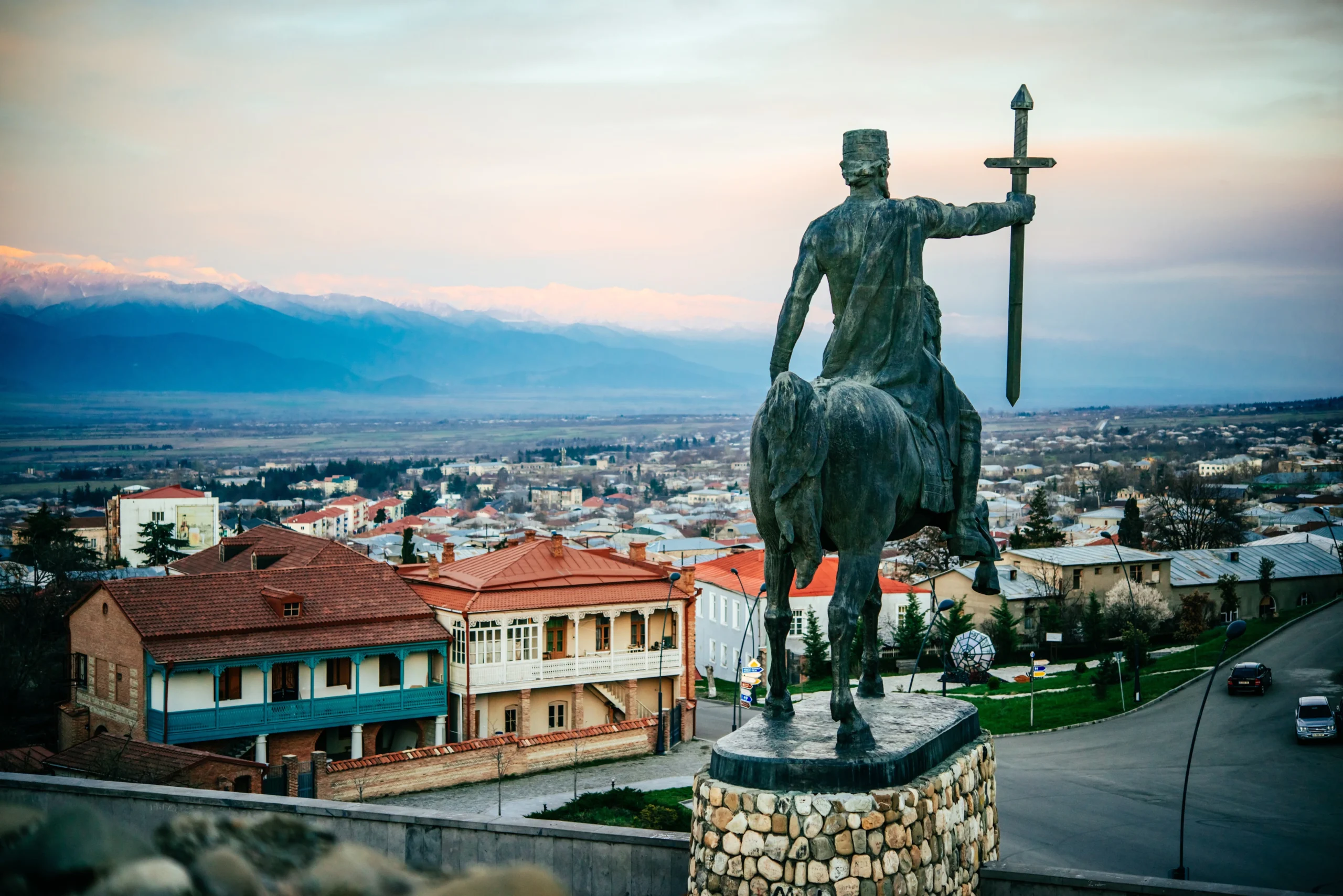
Telavi and Around
Telavi, in Georgia’s Kakheti region, has roots reaching back to the Late Bronze Age. It grew through the Hellenistic and late Antique periods, becoming a true city by medieval times. First mentioned in written sources in the 11th century, Telavi was once one of Georgia’s main centers of trade and craftsmanship.
Old and New Shuamta – Old and New Shuamta are two monasteries hidden in the green hills above Telavi. Old Shuamta, built between the 5th and 7th centuries, has three small stone churches surrounded by forest—quiet and ancient, with a deep sense of peace. Just a few kilometers away stands New Shuamta, founded in the 16th century by Queen Tinatin, wife of King Levan of Kakheti. Its red-brick walls and frescoes shine bright against the mountain backdrop, showing how faith and beauty evolved side by side through the centuries. Today, the Old Shuamta complex is no longer active, but it still welcomes many visitors drawn to its quiet beauty.
AKIDO – Quaint 20th Century Kakheti style chateau in Ikalto, housing a wine cellar and beautiful vineyard. Tucked away in the village of Ikalto in the Kakheti region, the Akido Winery offers a genuine taste of Georgian wine culture. The name “Akido” means “bunch of grapes” in Georgian, and the place lives up to that promise: you’ll find two vineyards (one in Ikalto, one in nearby Akhmeta) and a warm family-run atmosphere. Tip: Call ahead to reserve; the venue is boutique and the tasting experience is more personal if they know you’re coming. 592 30 00 77 / akidowine@gmail.com
Telavi
Telavi, the heart of Georgia’s Kakheti region, blends old charm with easy warmth. Surrounded by vineyards and overlooked by the snow-capped Caucasus, it’s a place where wine, history, and slow living meet. Stroll through winding streets, visit the 900-year-old plane tree, explore King Erekle II’s palace, and end your day watching the sunset over endless vines.
Telavi is the only city in Georgia where four fortresses from different historical eras still stand in good condition. Because of this, many architects and historians call it the most “medieval” city in the country. These fortifications include:
– Dzveli Galavani, the fortress of the first Kakhetian kings (9th–10th centuries)
– Batonis Tsikhe, the royal fortress (17th century)
– Korchibashishvilebi Castle (16th–18th centuries)
– Vakhvakhishvilebi Castle (18th century)
Batonis Tsikhe is especially notable as the only royal palace in Georgia that still survives. The complex includes the 17th–18th century palace of the Kakhetian kings, ancient court churches, the remains of Erekle II’s philosophical and theological schools, the royal bath, and an 18th-century tunnel beneath the grounds.
The museum inside preserves royal treasures and artifacts—coins, armor, weapons, household items, carpets, manuscripts, and artworks by both European masters and Georgian painters like Elene Akhvlediani and Lado Gudiashvili—offering a vivid glimpse into Georgia’s royal past.
View on mapAlexander Chavchavadze’s House-Museum in Tsinandali
Tsinandali Estate, near Telavi, is one of Kakheti’s most elegant landmarks. Once the home of Prince Alexander Chavchavadze—a poet, philosopher, and pioneer of Georgian winemaking—it became a center of art and culture in the 19th century. The estate combines Georgian and European architecture, surrounded by a romantic garden of winding paths and rare trees. Inside, visitors can tour the house museum, the historic wine cellar, and taste Tsinandali’s famous wines that still carry the spirit of the first modern Georgian vintner. Tsinandali Estate is the cradle of classical winemaking of Georgia, the place where Georgian wine was first bottled. Saperavi of 1841 and other 19th century historical vintages are still preserved at Princely Oenotheque. In the collection starting from 1814, one can find Tsinandali, Saperavi, Chateau Lafitte, Chateau d’Yquem and other legends of the period.
View on map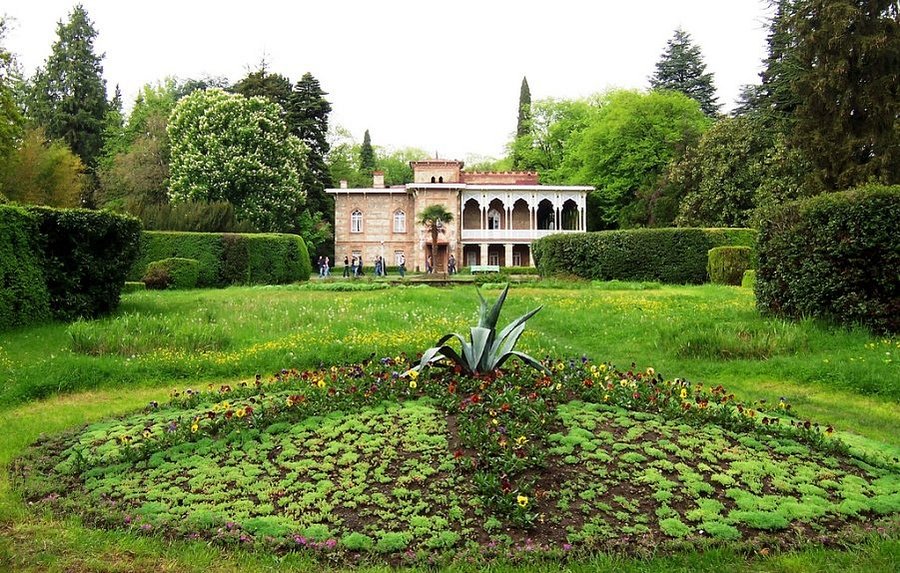
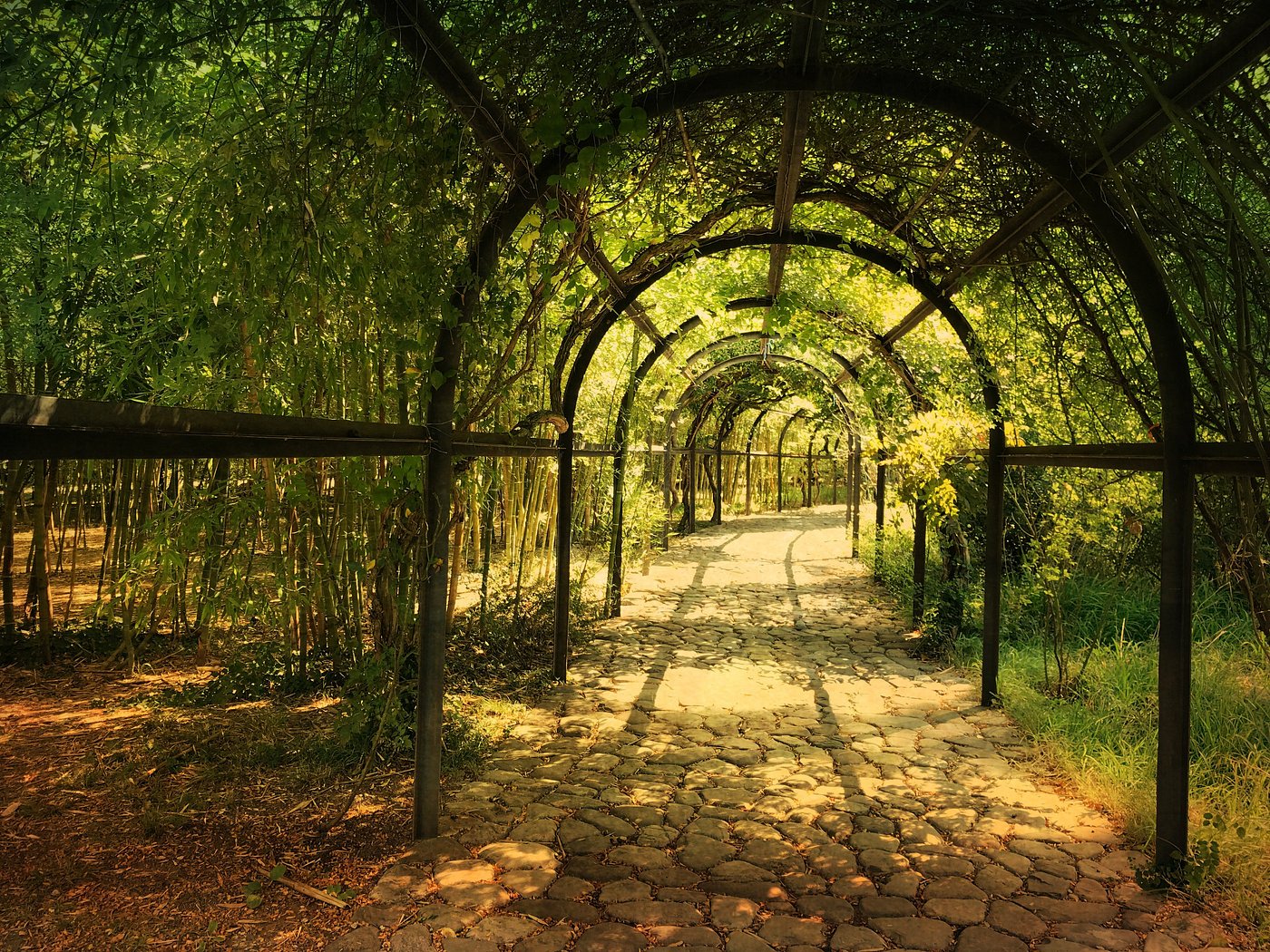


The Shumi Winery and Tourist Complex
Shumi is a large wine estate in the village of Tsinandali (Kakheti region) combining winemaking, wine history, art and hospitality. The name “Shumi” comes from ancient Georgian and means “the best wine.” It houses Georgia’s first wine museum, with artifacts going back thousands of years. There’s a huge vine collection (hundreds of grape varieties) and vineyards in many of Georgia’s renowned micro‑zones. It offers more than a simple tasting: you’ll find interactive winemaking experiences, food and wine pairing, cooking master‑classes, art in the gardens, and more.
The complex has 38 locations, including: the first wine museum in Georgia, the first private collection vineyard in Georgia, oenographic pavilion, sculpture park, which is decorated with works of famous Georgian and foreign masters.

Schuchmann Wines Chateau, Villas & SPA
Tucked into the vineyards of the Alazani Valley in Kakheti near Telavi, Schuchmann Wines Château, Villas & SPA blends wine‑making, luxury and nature into one unforgettable stay. You’ll wander through vineyards with views of the Caucasus Mountains, taste local grape varieties like Saperavi and Rkatsiteli, dive into grape‑seed spa therapies and unwind in private villas or a chic hotel. It’s where Georgian tradition meets boutique comfort—perfect for a distinctive wine country getaway
Chateau unites: Hotel, Private villas in Wine Village, Wine SPA, pools, Wine Bar and Restaurant. Chateau offers a free wine lesson; The wine spa package includes a red wine bath and a relaxing massage with grape seed oil.
Guests can also enjoy mini golf, table tennis, and billiards.
hotel@schuchmann-wines.com
2200, Telavi, Georgia
+995 577 50 80 05
Akhmeta Municipality

Alaverdi Monastery
Alaverdi Monastery, standing tall in the Alazani Valley near Telavi, is one of Georgia’s oldest and grandest monasteries. Founded in the 6th century and rebuilt in the 11th, its soaring cathedral is a masterpiece of medieval Georgian architecture. Surrounded by vineyards, the monastery still lives as a spiritual center, offering visitors a mix of history, faith, and breathtaking valley views. The complex includes buildings: Alaverdi St. George Cathedral, defensive wall, chapel, Peikar-Khan’s palace, wine cellar and bath. Alaverdoba (September-October) was a very popular ecclesiastical and public holiday. It was celebrated not only by Georgians but also by Kists And Dagestan people as well.
Alvani
Alvani is a small town in Georgia’s Kakheti region, quietly nestled in the Alazani River Valley. Surrounded by vineyards and orchards, it’s a peaceful spot that reflects the heart of rural Kakheti life. While less visited than nearby Telavi or Sighnaghi, Alvani offers a glimpse of traditional Georgian village culture, local markets, and easy access to the region’s rolling hills and wine country.
Situated on the Tbilisi–Omalo highway, Alvani lies 120 kilometers from Georgia’s capital. The stretch of road from Alvani to Omalo, weaving through steep mountain passes and narrow switchbacks, was dubbed by the BBC in 2013 as one of Europe’s most dangerous roads. Alvani is a winter homeplace for Tushetian people who leave the mountains for the winter and spend their time in the lowlands.
Kvetera Church
Kvetera Church, in Georgia’s Kakheti region, is a striking medieval fortress church that stands as a testament to the country’s early Christian architecture. Built in the 10th century, it combines defensive walls with a central domed cathedral, giving it the look of a small fortress. Nestled on a hilltop, Kvetera offers sweeping views.

Kvareli Municipality

Gremi Church & Castle
the Georgian Orthodox Cathedral is located in Kakheti, in Kvareli municipality village, in the citadel of the east of Gremi, on a high hill. It was built by the King of Kakheti, Levan in 1565. The paintings were finished in 1577.
The history of Gremi, as a city, begins from the XV century, when the first king of Kakheti George (1466-1476) turned it into the capital of Kakheti Kingdom. This status was maintained by Gremi for over two centuries. There were active bookish activities here and caravan roads as well. That is why it became the center of political, economic and cultural life of Kakheti.
The town appears to have occupied the area of approximately 40 hectares and to have been composed of three principal parts – the Archangels’ Church complex, the royal residence and the commercial neighborhood.
“In Gremi” Hotel Resort
Located less than 1 km from Gremi Citadel and 104 km from Tbilisi International Airport, the hotel is near attractions such as Nekresi Monastery Complex (15 km) and Ilia Chavchavadze State Museum (20 km).
“In Gremi” Hotel offers a 4-star experience with a swimming pool with a view, sun terrace, and lush garden. Guests enjoy free WiFi, a restaurant, bar, and outdoor fireplace
The hotel features private check-in and check-out, a 24-hour front desk, concierge service, and family rooms. Additional facilities include free on-site parking, bicycle parking, and a pool bar.
The family-friendly restaurant serves European cuisine with brunch, lunch, and dinner. Breakfast includes continental, buffet, vegetarian, vegan, and halal options with local specialities, warm dishes, fresh pastries, and more.
Gremi, Kvareli, Georgia 557 62 88 65 info@ingremi.ge
Nekresi
Monastery Complex and urban archaeology is located in Kakheti, in Kvareli municipality, near Shilda village, on the edge of the Caucasus Range.
Founded by King Pharnajom (II-I centuries BC). In the IV century AD, king Thrdat built a church on this place, where one of the Assyrian fathers, Abibus settled there in the VI century. In this time period Nekresi Episcopacy (existed until the XIX century) was established. Nekresi immediately was given great importance. The political and cultural influence of Kartli was spread over the mountainous region of Eastern Caucasus.
The Nekresi monastery is a complex of buildings, including the three-church basilica of the Dormition of the Mother of God, a mortuary chapel—both dated to the 6th century, a centrally-planned church of the Archangel Michael built in the 8th or 9th century, a bishop’s palace of the 9th century, as well as a 12th-century refectory, a 16th-century defensive tower, and remains of storehouses and other accessory structures.
Kvareli
Kvareli is a town in northeastern Kakheti, Georgia. Located in the Alazani Valley, near the foothills of the Greater Caucasus Mountains.
It was the birthplace of Georgian author Ilia Chavchavadze, whose one-storied house is preserved as a local museum. The area is in the center of the Kakheti wine-producing region, and the town itself is known for its Kindzmarauli wine, a semisweet red variety.
Kvareli Fortress
is located in Kakheti, in the central part of the city of Kvareli.
The Kvareli fortress had a special strategic purpose, it was used only during martial law. The battle of Kvareli is associated with this fortress, in which the Georgian army fought against the Avar khan Nursal Bek. The king of Kartli Teimuraz II and the king of Kakheti Erekle II (Heraclius II), with the help of a perfectly calculated plan, forced Nursal Bek to retreat. The defense of the Kvareli fortress was of great importance for the future of Georgia. If the enemy had won and the fortress had fallen, then the conquest of all of Kakheti and Kartli would have been simplified. The Kvareli Fortress is located in Kakheti, in the central part of the city of Kvareli. Dating back to the 16th-17th centuries, this monument not only preserves the region’s military history but also hosts a remarkable modern spectacle – a football pitch nestled within its ancient walls.
Ilia Chavchavadze Kvareli State Museum
This complex includes the family castle and house of outstanding Georgian poet and public figure Ilia Chavchavadze (1837-1907) and exposition hall as well. The museum houses memorial objects of the poet and his family, poet’s manuscripts, sets of established periodicals, family coat of arms, seal, household objects, XVIII-XIX c.c. weapons, furniture, manuscripts of Georgian and foreign public figures, paintings inspired by the poet’s works (by H. Hrinewski, L. Gudiashvili, K. Guruli, S. Meskhi, T. Mirzashvili), rich collection of photographs and archive documents, collection of poet’s works editions on various languages.
Kvareli Lake
Nestled in the verdant Duruji River valley in Kakheti’s Kvareli region, Ilia Lake stands as a testament to the harmonious blend of nature and human engineering. This man-made water body was crafted merely a few years ago, named in honour of the revered Georgian writer and political figure, Ilia Chavchavadze.
Located at an elevation of 430 meters above sea level, Ilia Lake spans 900 meters in length and 400 meters in width. The lake’s depths plunge to around 20 meters.
Ilia Lake is surrounded by vineyards flourishing with Saperavi, a distinguished Georgian grape variety.

Kote Marjanishvili’s House Museum
The house museum of well-known Georgian producer of theatre Kote Marjanishvili (1872-1933) was established in 1959. In the museum funds and on the display are kept memorial objects (various accessories, clothes, etc.) of producer: Beginning of the XX century antiquarian furniture, carpets, crockery (Russian and French china), paintings (L. Gudiashvili, Petre Otskheli, Elene Akhvlediani etc.),graphics, sculpture, photographs, documents, books on the subject of the producer’s performances, audio-video copies of his film (“Amoki”) and performances. The museum also houses characteristics for the Kakheti region’s everyday life and ethnography objects and archaeological items accidentally discovered by local people.
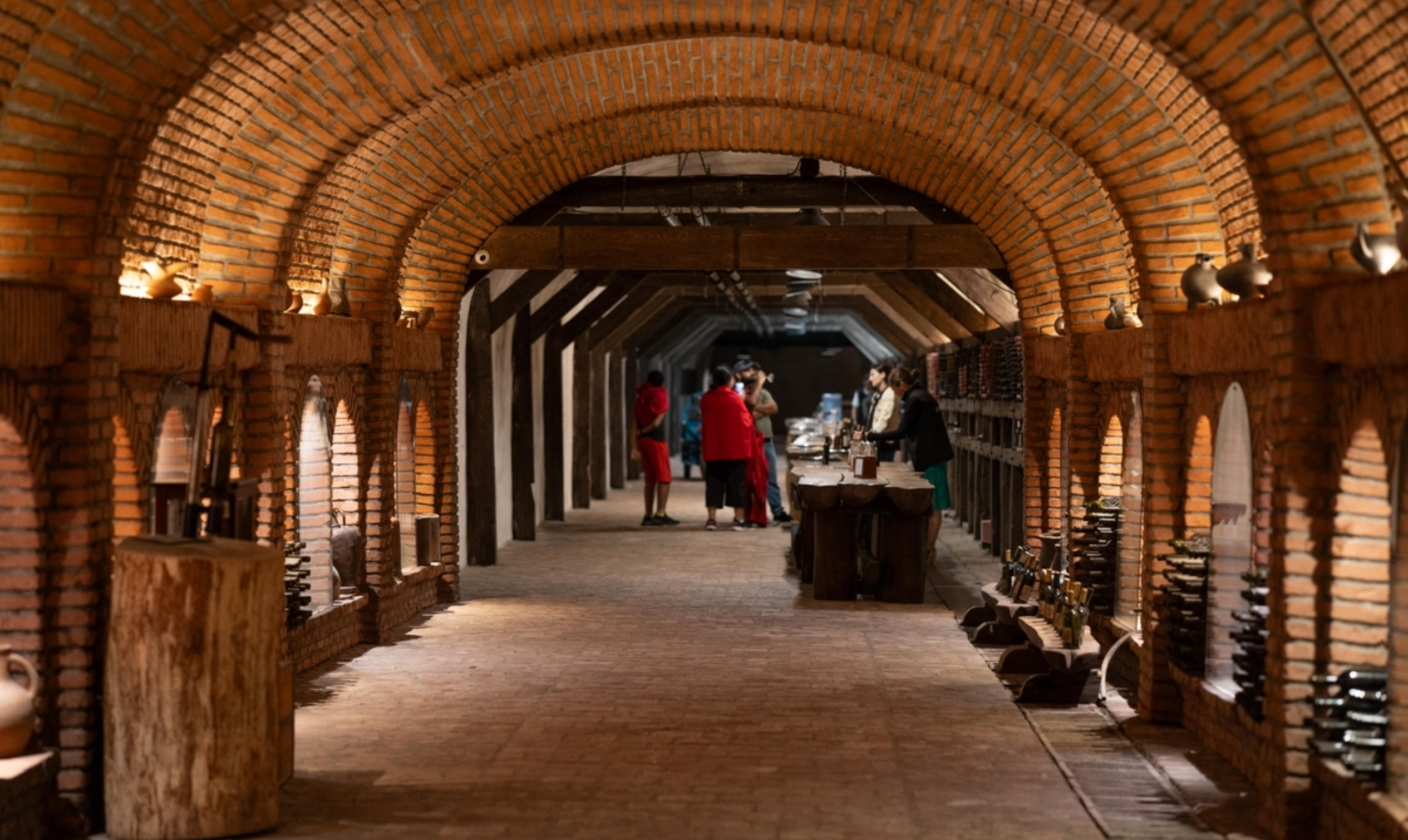
Kvareli Wine Cave
the unique wine cellar and tourist complex “Kvareli Wine Cave” is built on the edge of Alazani Valley. This is a place that attracts Georgian and foreign tourists alike and awakens unforgettable emotions in them.
The cave, carved into the Caucasus rock massif, was opened in 1962 specifically for the World Congress of Vine and Wine. Throughout the year, the cave temperature ranges from 12-16 ° C, which creates an ideal environment for wine storage and aging.
The total length of the Wine Tunnel is 7.7 km, which consists of two main and 13 connecting tunnels.One of the two entrances to the cave is used for tourism, while the other entrances are used for the care and aging of wines stored in metal and oak containers. In this part, the guest can see the bottled wine cellar, where “Winery Khareba” holds up to 26,000 bottles of the best quality wine.
According to some stories this cave was built by Lavrenti Beria’s orders as a Bomb shelter. Kvareli Wine cave and Tbilisi Metro are built by the same company, Some stations of Tbilisi Metro are also planned as Bomb shelters.
Company offers: Several wine tasting tours in Cave, different local cuisine masterclasses.
You can visit a local restaurant on the hilltop. You can reach it from The tunnel with an elevator, or Electric cars – waiting outside the tunnel.

Corporation Kindzmarauli is Georgian Wine Producing Company, in Kvareli
The history of the wine cellar dates back to 1533, when Levan, the King of Kakheti, established a traditional wine cellar at the territory of historical Kvareli fortress. During the peaceful times, this wine cellar produced wine for the Royal Family, while during the wartime, when the population used Kvareli fortress as a shelter, the wine cellar had a strategic importance in feeding the population.
Gigo Papa’s Wine Cellar
Kvareli – Old cellar /Wine tasting /food Masterclasses /”Supra”
Cottages and family winery “Gigo papa’s Winery” – operates in Kvareli and offers various agro-services to its guests. The list of services includes: providing information about traditional Georgian viticulture and winemaking, cellar and wine tour. Participation in baking “Mother’s Bread” at the bakery, preparing “Tatara”(grape juice boiled with flour and making “churchkhelas” . Also wine tasting with a traditional dinner. +995577968031 manana (highly recommended)
Wine Yard N1 – Family type tourist destination/ winery in Kakheti region. Tastings / Food, Kvareli 577 11 06 52 dugashvilitika@yahoo.com
Gurjaani Municipality

Gurjaani
Gurjaani is a town in Kakheti, a region in eastern Georgia, and the seat of the Gurjaani Municipality. It is located in the Alazani River Plain, at an elevation of 415 m above sea level, surrounded by vineyards and orchards.Gurjaani was first recorded as a village in a historical document of the early 16th century. It acquired the status of a town in Soviet Georgia in 1934. It is the center of an important region of viticulture and wine-making
The Gurjaani Kvelatsminda – Church of the Dormition of the Mother of God is a Georgian Orthodox church constructed in the 8th or 9th century, during the “transitional period” in medieval Georgian architecture. It is located in the town of Gurjaani in Georgia’s easternmost region of Kakheti.
The Gurjaani church is the only extant example of a two-dome church design in the territory of Georgia. It is mostly built of straight courses of cobblestone; corners and decorations are made of squares of pumice stone and arches, vaults, and pillars consist of brick. The church is a complex design, some portions of it organized as two-storey structures. Naves are separated by two pairs of pillars. A high, span-roofed middle nave ends in a horseshoe apse and is divided into three square portions. Each of the outermost squares are topped by low octahedral domes, crowned with vaults.
Akhtala – historic mud-cure resort in Georgia, not far from the town of Gurjaani, Kakheti region, 120 km away from Tbilisi. Located 412 meters above sea level.
According to the Georgian scholar Prince Vakhushti’s geography of Georgia, finalized in 1745, Akhtala “is said to be a former village and buried by wrath; tar is discharged, steaming, and brings on the surface spoons, jars, and peasants’ commodities”
Akhtala mud refers to the type of volcanic sediments that are rich in microorganisms. Local mud has a high concentration of iodine, bromine, lithium, and barium, it is rich in methane molecules. In fact, Akhtala mud, due to its composition, is unique in its kind.
Numisi Wine Museum – located in the picturesque village of Velistsikhe in the Kakheti region, is one of Georgia’s most storied wine cellars. Established in 2010 as a private historical museum, it invites visitors to step into the rich legacy of Georgian winemaking, with its roots dating back to the 16th century. This unique cellar, built from white river stones and bricks, showcases the classical architecture of the region. The wine cellar features beautifully arched wine storage, complete with a centuries-old limestone wine press, known as a Satsnakheli, and 33 Qvevri (traditional clay wine pitchers) buried beneath the ground for wine fermentation. With a total area of 250 square meters, the Numisi Museum houses over 5,000 artifacts, including clay, glass, copper, and wooden vessels, each offering a glimpse into Georgia’s long and vibrant winemaking history.
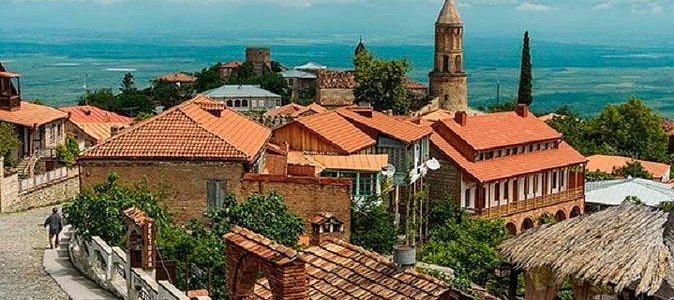
Signaghi & Around
located in the Kakheti region. It is determined by archeological excavations that this area played an important role since the Paleolithic, Neolithic and Bronze Ages. The territory of Sighnaghi district was formerly known as Kambechovani, and later it was called Kiziki. After the recognition of Christianity as the state religion in Georgia, this side acquired great importance. St. Nino was executed and buried here. Sighnaghi is a word of Turkish origin and means shelter. Sighnaghi is one of the most beautiful and interesting districts and attracts a lot of tourists. Here you will be able to visit important cultural monuments. Best will be to walk around the city, see the city center: Visit sighnagi museum
Nearby you can see Solomon Dodashvili Monument – Georgian philosopher, journalist, historian, grammarian, belletrist and enlightener.
You can walk on the Sighnaghi Wall. Sighnaghi Wall stands as a testament to its resilient past. Built in the 18th century as a sanctuary for those seeking refuge from invaders, this impressive fortification once encircled the entire city. This remarkable 4-kilometer-long defensive wall originally featured 28 towers, each uniquely named after the village it connected to Sighnaghi. Each tower incorporated a gateway equipped with swift opening and closing mechanisms, highlighting the ingenuity of its construction. Notably, the villagers themselves played a crucial role in building their respective towers, forging a strong connection between the community and its defense.
St. Stephan’s Basilica: A Unique Fortress Church: Discover a remarkable architectural fusion – an 18th-century basilica constructed within the walls of a fortress tower. Unlike typical Georgian churches, St. Stephan’s Basilica showcases a predominantly red brick structure with cobblestone details, making it a truly unique historical and religious site in the Kakheti region.
At the entrance of the city there’s one small restaurant – viewpoint on Signagi city. The ex-mayor of the town and his family cook amazing dishes and one of the best BBQs in town. You can try local wines and Chacha here.
+995599855685 Kote
Pheasant’s Tears Winery -Located in Sighnaghi, Kakheti.
Pheasant’s Tears Winery specializes in wines made in Qvevri –an amphora-like clay vessel buried in the ground, where the even temperature ensures the high quality of the wine. The Qvevri method is endemic to Georgia. The Qvevri used at Pheasant’s Tears vary in age, with the oldest from the 19th century.
– You can visit one of the family cellars near the City hall, around 50 Meters from the Museum. Here you can hear about local wines, wine history and try wines directly from “Kvevri” (clay barrel used in Georgia for winemaking, over 8000 years of tradition)
+995599759820 Zura
Shio’s restaurant – at the end of the city, on a road to Tsnori – one of the most popular places in Sighnagi, viewpoint stop on Alazani valley and Caucasus mountains. Affordable prices, focuses on Georgian Cuisine.
Vakhtang Gorgasali str +995 551 355818
For local attractions like eclectic bus tours, offroad jeep tours and hiring 4×4 offroad cars you can call this number + +995595969623 Temur
Bodbe Monastery of St. Nino
and Episcopacy is located in Kakheti, 2 kilometers away from Sighnaghi.
According to legend it is built on the burial place of Saint Nino. Georgian kings were paying great attention to the Bodbe Monastery. It has been repaired and restored many times. In XVII-XVIII centuries, there were scribes: Zakaria Bodbeli (XVII c.), Onofre Bodbeli (XVIII century), Ioane Jorjadze (XVIII century), David Bodbeli (XVIII), Ioane Makashvili (1743-1837) and others.
From 1837 Bodbe Monastery was abolished and became a church for believers. In 1889 the Bodbe Mother’s Monastery was opened. There was a teaching school with an artistic department. In the complex there is a monument of Georgian architecture- three-nave basilica( with three apsides). With the initial architectural shapes it belongs to the earlier feudal age. Nowadays, it significantly changed. Plastered from the inside and outside. The footprints of the XVII and XIX centuries restoration are apparent. According to the inscription, in the 20s of the XIX century, the church was thoroughly repaired and painted under the direction of Metropolitan Sighnaghi and Kiziki Ioane Makashvili.
St. Nino’s Spring is a revered, cold, and clear-water spring located at the Bodbe Monastery in the Kakheti region of Georgia. According to legend, the spring was created by Saint Nino through prayer and is believed to have miraculous, healing properties, attracting pilgrims who bathe in the ritual pools and drink the sacred water. The spring is situated in a valley below the monastery and can be reached by a 667-step footpath or a 3km road
The Khirsa monastery of Saint Stephen is a Georgian Orthodox monastery in the eastern Georgian region of Kakheti.
The Khirsa monastery, dedicated to St. Stephen the Protomartyr, stands in greenery, on the Khirsa stream at the village of Tibaani, Sighnaghi Municipality.
The foundation of the monastery is credited by historical tradition to the monk Stephen, one of the Thirteen Assyrian Fathers active in the 6th century. The extant edifice, a domed church, is the result of a series of reconstructions between 886 and 1822. It is inscribed on the list of the Immovable Cultural Monuments of National Significance of Georgia. The original basilica was converted into a domed church in the 10th century and further remodeled in the 11th and 16th centuries. Finally, the church was substantially repaired in 1822.
The monastery of Khirsa was known as the abode of missionaries who worked tirelessly to spread Christianity in Dagestan, Ossetia, Ingushetia…. As an advanced pillar of Orthodoxy, it was often raided by enemies.
Kilakupra Mud Volcanoes – Natural Monument is located in Georgia, Kakheti region, Signaghi municipality, 410m above sea level, Kajiri valley.
Kilakupra Mud Volcano is an inorganic natural monument. It is an active monument, from the mud, oil, and gas flows. The mud spilled out of the vent combines and goes down to the valley. The natural monument and its surroundings are saturated with sandstones and clays.
4×4 Car is needed to reach this Place
Lagodekhi Municipality
Lagodekhi is located in the Kakheti region. It originated in an area with ancient history, which was at first the part of Caucasian Albania, then the pre-feudal Georgian state unit of Hereti, and then formed an independent feudal principality. Later it was part of the Kingdom of Kakheti-Hereti, and then became a part of united feudal Georgia together with the Kingdom of Kakheti. Lagodekhi is also known in the sources as Lagoeti, Lakuati and Lakuasti. It is first mentioned in sources in the VIII century.
The Lagodekhi-Zakatala road passes through the territory of Lagodekhi. There is a secondary vocational school, libraries, a theater and a museum in the municipality. Lagodekhi is distinguished by the beauty of nature and important cultural monuments.
The Lagodekhi Museum of Local Lore is very interesting, where the material of the period from the IV millennium BC to the late feudal era is preserved. There are various items of stone, bronze, clay, jewelry, work tools, numismatics and a small number of ethnographic and photographic materials of the country.
Lagodekhi National Park
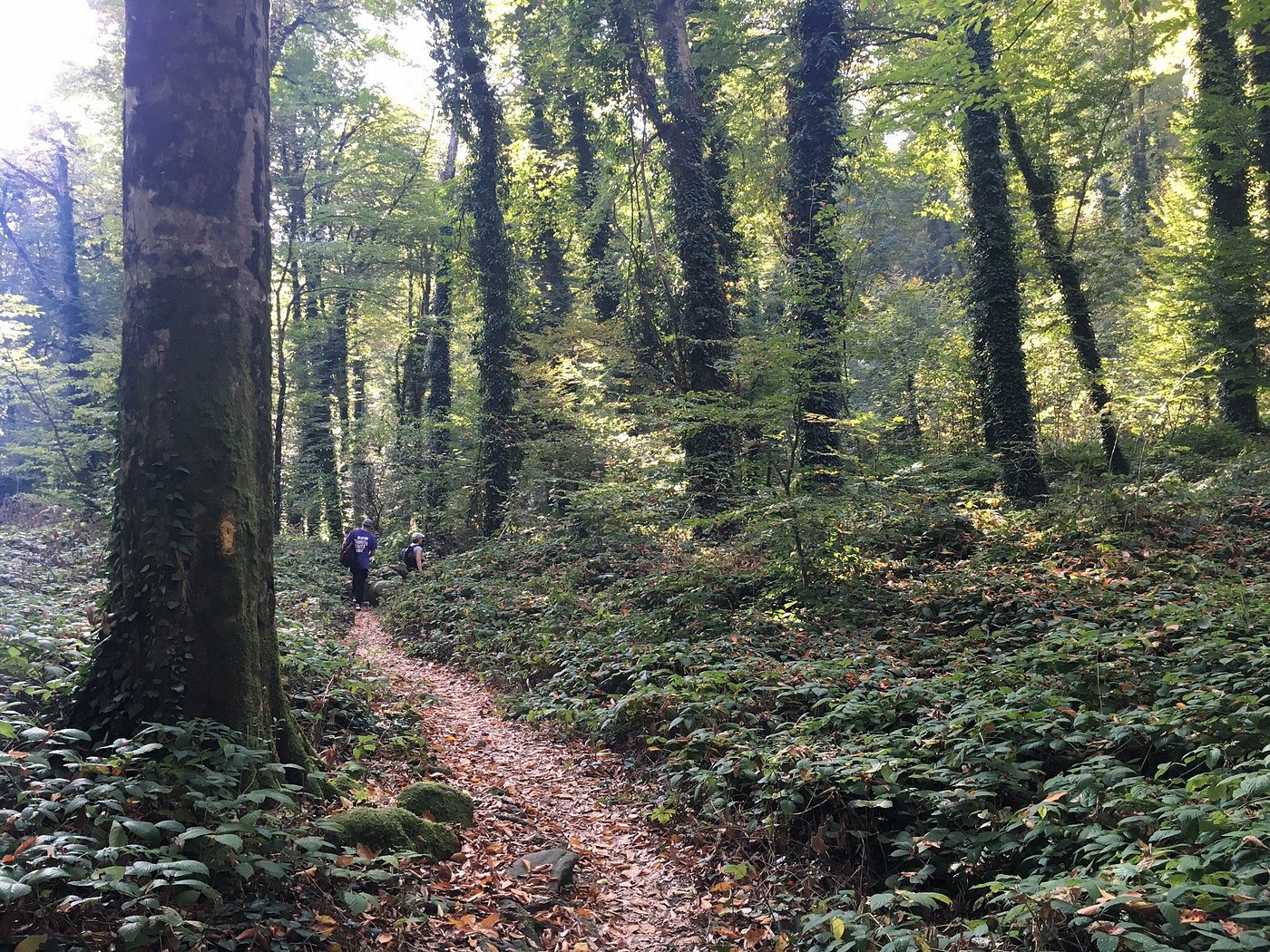
Is rich in diversity of flora and fauna, waterfalls, beautiful lakes and amazing views. In Lagodekhi we find many temples and fortresses interesting in artistic and historical aspects. This area attracts a lot of tourists with its natural or cultural resources.
The territories of Lagodekhi National Park include : Lagodekhi Strict Nature Reserve (19749 ha.) and Managed Reserve (4702 ha.). The latter helps to create optimal conditions for visitors to perceive nature through the development of infrastructure related to education and recreation activities. The park is distinguished by beech-hornbeam deciduous forest, Gurgeniani waterfall. The national park also includes a system of trails connecting the forest and alpine meadows, on which movement is allowed only on specially defined routes on foot and on horseback. At present, there are five picturesque, safe and informative tourist routes in the protected areas of Lagodekhi National Park, namely: “Rocho Waterfall”, “Ninoskhevi Waterfall”, “Machi Fortress”, “Black Rock Lake” and “Nature Cognition Trail”.
Machi Fortress (Toga) – Fortress-hall and church, located in Kakheti, on the territory of Lagodekhi Nature Reserve, at the confluence of the river Matsimistskali and Bneli Khevi (dark gorge). Machi was the summer residence of the kings of Kakheti. Ruins (walls, towers, church, covered reservoir, ditches, etc.) are preserved.
Near the center, in the ruins of the castle-hall, there is a small hall church; the construction date is not readable. Presumably, the temple was built during the reign of Alexander II (1574-1605).
Gurgeniani Waterfall is located in Kakheti, 8 km from the village of Gurgeniani, on the river Ninoskhevi. The village of Gurgeniani is located near Lagodekhi and you can get here by minibus.
The waterfall is 40 meters high and offers a really beautiful view. However, the path to the waterfall is not so easy for inexperienced hikers. On the way you may have to cross the river several times, because in the spring the river often rises and carries everything you can get your hands on, including bridges, rocks, boulders, garbage, and so on. You will also often have to walk on wet boulders and stones, so it is advisable to use flexible, sporty shoes.
Rocho Waterfall is located in the Lagodekhi Protected Areas, very close to Lagodekhi. You can get here by car or minibus.
The waterfall is located 5 kilometers from the Lagodekhi Protected Areas Visitor Center. You will have to walk this distance. On the way, we first find a unique hornbeam grove (400-600 m above sea level), which is quite rare in the Caucasus, then a mixed beech grove (hornbeam, ash, lime, maple, elm, chestnut, etc.). However, the trail is not really tiring, because on the way you will meet a lot of interesting plants or animals. You will also need to cross the river and walk on wet stones, so it is advisable to use sporty, flexible shoes. At the end of the trail, you will be struck by a beautiful 6-meter long waterfall, which runs between the green cliffs.
Khoshatiani Church of the Virgin Mary
an architectural monument in the village of Khoshatiani, Lagodekhi Municipality. The church stands on a cemetery. The church, together with the bell tower, must have been built in the 16th century. However, the church was built first, and then a two-story gatehouse-bell tower was added to it. It is built of rubble and cobblestone and brick on a mortar. Georgian brick is used in the corners, for reinforcements, for door and window openings, and in the cornice. It stands on a low and wide plinth-like step from the west. The entrance is from the west. The door is finished with an architrave on the outside and arched on the inside. One arched window is cut in each wall. The church is roofed with clay roof tiles.
Habitat Study Resort
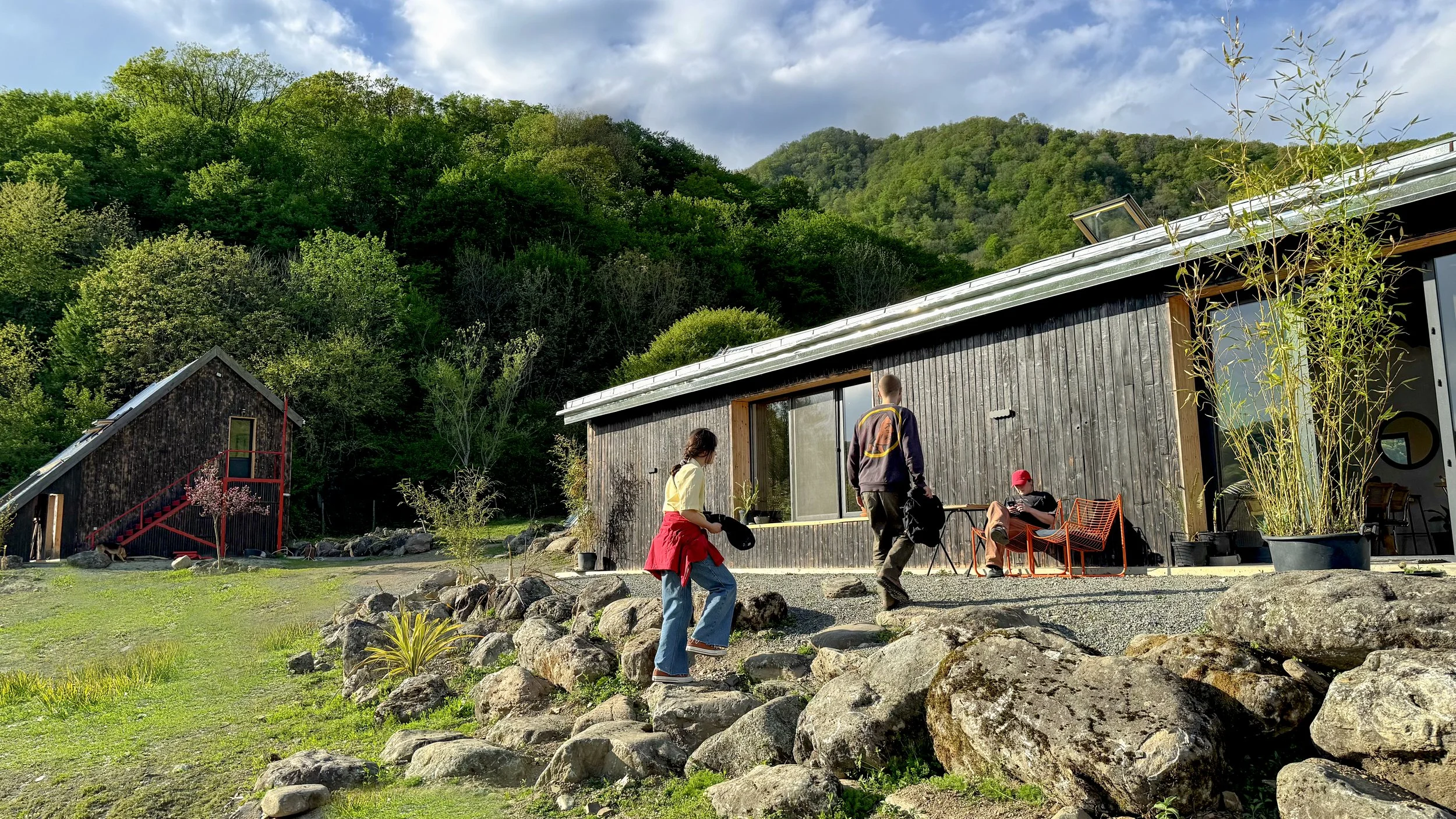
Habitat is a nature learning space located near the Lagodekhi protected areas. The habitat combines residential cottages, coworking spaces, and greenhouses. Guests of the school-retreat learn to coexist harmoniously with nature through professional and amateur courses.
The Habitat project was launched in 2019 to create a nature-related knowledge sharing center where people could learn fields such as horticulture, landscape architecture, ecology, and more.
We believe that the best way to learn is through practice, which is why we offer our students comprehensive training programs in which theoretical learning is reinforced with practical work.
The habitat is located in the unique ecosystem of the Lagodekhi Protected Areas, where nature is presented in its primeval beauty. Here, surrounded by mountains and forests, an environment is created that provides students and guests with inspiration and the opportunity to establish a harmonious connection with nature.
Along with gaining knowledge, people in the habitat share experiences with each other and new friendships are formed. The school has its own nursery, where we grow perennial ornamental, grain, and herbaceous plants to help create an ecologically sustainable environment.
Vardisubani German Church
The 19th-century German style Church of the Assumption of the Virgin Mary – is built entirely of concrete and is monolithic. The church is a Gothic-style cupola. The entrance is from the west. The east side has a five-aisled apse, which is illuminated by two wide arched windows. On both sides of the altar are pastoforiums, which are accessed from the side arms of the church. The facades of the church and the bell tower are decorated with simple arches and window openings in the recessed area, and decorative carvings in the pediment-like ends of the facades.
View on mapDedoplistskaro Municipality
Dedoplistskaro
Dedoplistskaro differs with its special nature and cultural diversity and has a great tourist potential. It’s been visited by thousands of travelers every year. We see unique landscapes here. There are steppes, deserts, mud volcanoes, rare flora and fauna spices.
Vashlovani National Park
Vashlovani State Reserve is notable for its unique, badland-like areas of desert and semi-desert steppe vegetation and arid and deciduous forests. It is also home to the great canyon cliffs, known in the area as the “Sharp Walls”, and the magnificent Alazani flood plains and forests. Vashlovani supports variety of incredible animals such as leopard, striped hyena, brown bear, wolf, lynx, wild boar, as well as a variety of rare birds including the griffon vulture, black vulture, Egyptian vulture, little bustard and the rare black stork.
The river Alazani running along the eastern part of the National Park offers visitors great opportunities for year-around boating. However, visitors are welcome to explore the park by foot, horse or vehicle on designated tourist trails.
The administrative and tourist center of the National Park is located in Dedoplistskaro.
The tourist route network of Vashlovani National Park offers a wide range of one-day and multi-day hikes. The trails are marked and well equipped. Along the trails there are bungalows, picnic and camping sites and the places for campfires.
Kakliskure, same – Juma Bay is a natural monument in Georgia, located in Kakheti, in the municipality of Dedoplistskaro, included in Vashlovani protected areas. Kakliskure represents the shape of the peninsula in the Alazani River, next to the border of Azerbaijan.
Kakliskure, the same Juma Bay, represents the meander of the Alazani river. The width of the isthmus does not exceed 30-40 meters and the area is more than 204 hectares. Nowadays, only in this bay remains the floodplain forest, characteristic of Alazani valley, that is very rich in flora.
This is the only bay in Georgia, which is the natural place of walnut, and the only place in Georgia where wild walnut trees thrive.
Chachuna Managed Reserve is a protected area in the Dedoplistskaro Municipality in Kakheti region of Georgia in the south-eastern part of the country near the border with Azerbaijan in floodplains of Iori River. Chachuna Managed Reserve was established in order to protect forests on the banks of the Iori river and Dalis-Mta reservoir and its characteristic arid and semi-arid types of flora and fauna. On the reserve territory there are several bird hides for birdwatching. Chachuni Managed Reserve was established in 1996 mostly on the territory of the former Chachuni State Forestry which was in existence since 1965. The Administration of Chachuna Managed Reserve is located in Dedoplistskaro in a shared facility with Vashlovani Protected Areas Administration.
Khornabuji – The medieval fortress town is located in eastern Georgia, near Dedoplistskaro, in the region of Kakheti,at 800 meters above sea level. Khornabuji fortress, (in XVIII century sources it was called Choeti), often called “Fortress of queen Tamara”.
It was probably constructed, originally, at the end of the 1st millennium BC, at which time it was the only fortification controlling the valleys of the Iori and Alazani rivers.
Archeological works conducted during the 1970s in the area uncovered extensive evidence of a settlement that flourished in the flat land beneath the castle during and before the medieval period. The first surviving written records of it date back to the reign of Vakhtang I, during the 5th century. At that time, Khornabuji was one of the largest settlements in the Kakheti region. According to the chronicle, it was one of several places to which Vakhtang appointed a bishop after he had built the Svetitskhoveli Cathedral at Mtskheta.
Late in the 5th or early during the 6th century, Khornabuji was conquered by the Sasanians. It appears the surrounding town was destroyed, though something of the castle survived and the town once again reappeared on the area of flat ground to the south of the castle rock over the following centuries. During the thirteenth century, according to some sources, the castle was rebuilt on the instructions of Queen Tamar, although others suggest that references to Queen Tamara building a castle may have referred to a castle built at another site. According to one interpretation of the sources the Khornabuji township was destroyed by Mongol invaders under Berke Khan around 1264, and survivors relocated to Sighnaghi, after which there was no further significant settlement outside the castle walls. An alternative view is that the settlement fell into ruin during the seventeenth century, i.e. following the invasion undertaken by Iran under Shāh Abbās. The castle was later rebuilt under Heraclius II of Kartli-Kakheti, but the surrounding township was not.
Elia monastery is located in the southern part of Dedoplistskaro, on double-peak limestone mountain. The Temple of Saint Ilia Tezbiteli is located on mount Elia from the sixth century. Many people gather here every August 2, on the day of the great prophet, Saint Ilia Tezbiteli. They stay overnight on a double-peaked mountain and pray at the bottom of the Elia rock.
archaeological excavations prove that the temple of St. Ilia Tezbiteli existed in the VI century, but the exact date of its construction is unknown.
The only written note was kept by Alexandre Dumas, who saw the rock of Elia during his trip to Caucasus and Georgia in 1858 and made a brief entry: “There is another mountain, which is located about six miles from the castles of Queen Tamar and there is a legend as well. This mountain is called Elia Mountain and at the bottom there is a salt lake. In the wide cave in the middle of the mountain there is a bell tower, which residents often visit. According to the legend, the crow brought food for the prophet Ilia. He left his cape to his student Elise and rose in the sky from the top of the mountain.” (A. Dumas, Caucasus, Tbilisi, 1970, pp. 259-260).
From the side of this mountain there is an entrance to the tunnel, one end of which goes to the castle of Khornabuji. This tunnel enters the Elia mountain and further forks on the different sides. In confirmation of this fact this is the exit of the tunnel in Khornabuji. As it is said, the roads went in different directions from this tunnel, but only one is known- the final exit road to Khornabuji. This tunnel has collapsed and only the entrance is left to see.