Svaneti Region
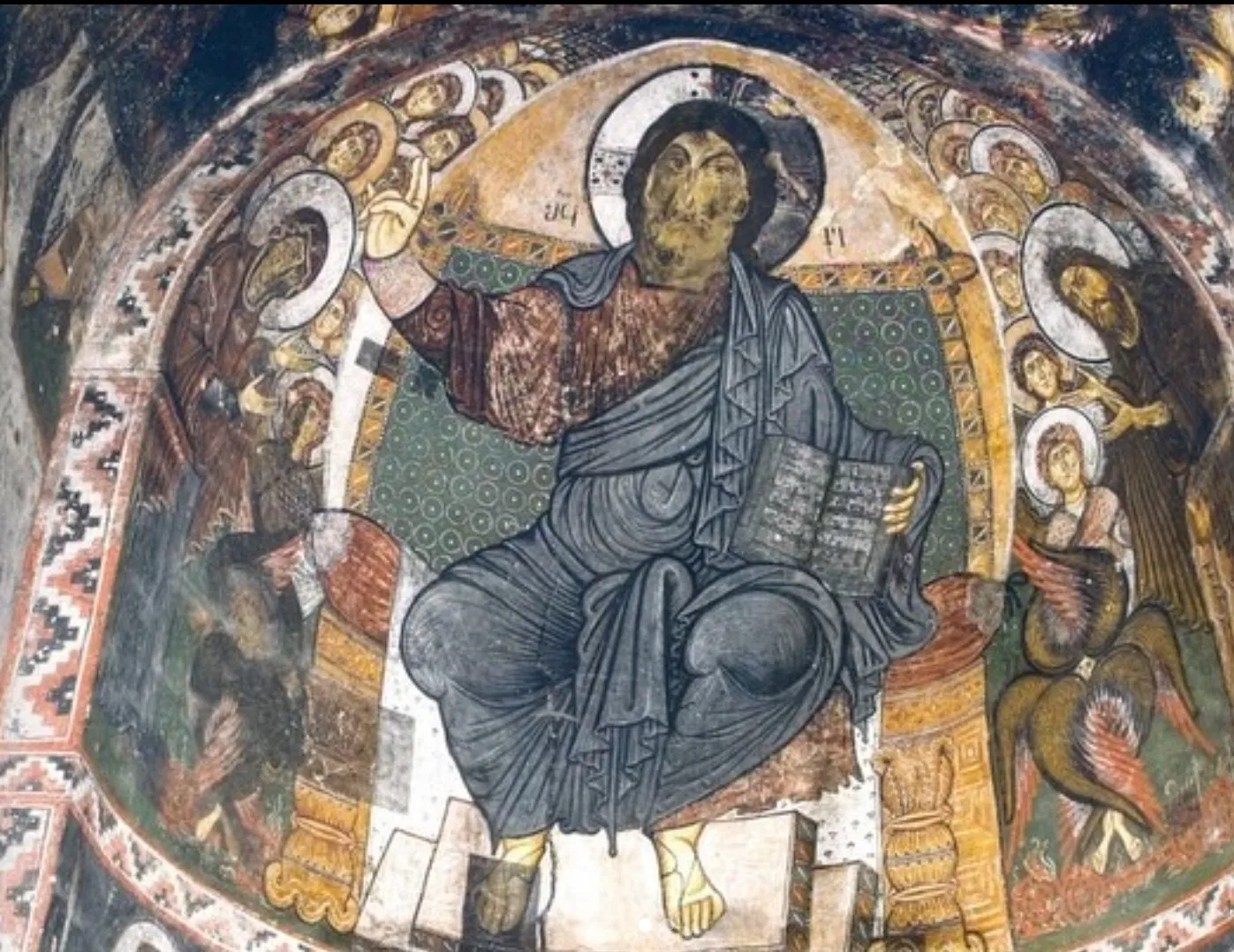
Svaneti is one of Georgia’s most dramatic and iconic mountain regions, located high in the Greater Caucasus. It feels powerful and almost mythic, shaped by altitude, isolation, and centuries of fierce independence.
The landscape is extreme and vertical: sharp peaks, glaciers, fast rivers, and narrow valleys. Europe’s highest permanently inhabited villages are here, and snow can linger well into spring. Summers are short and green; winters are long, heavy, and harsh.
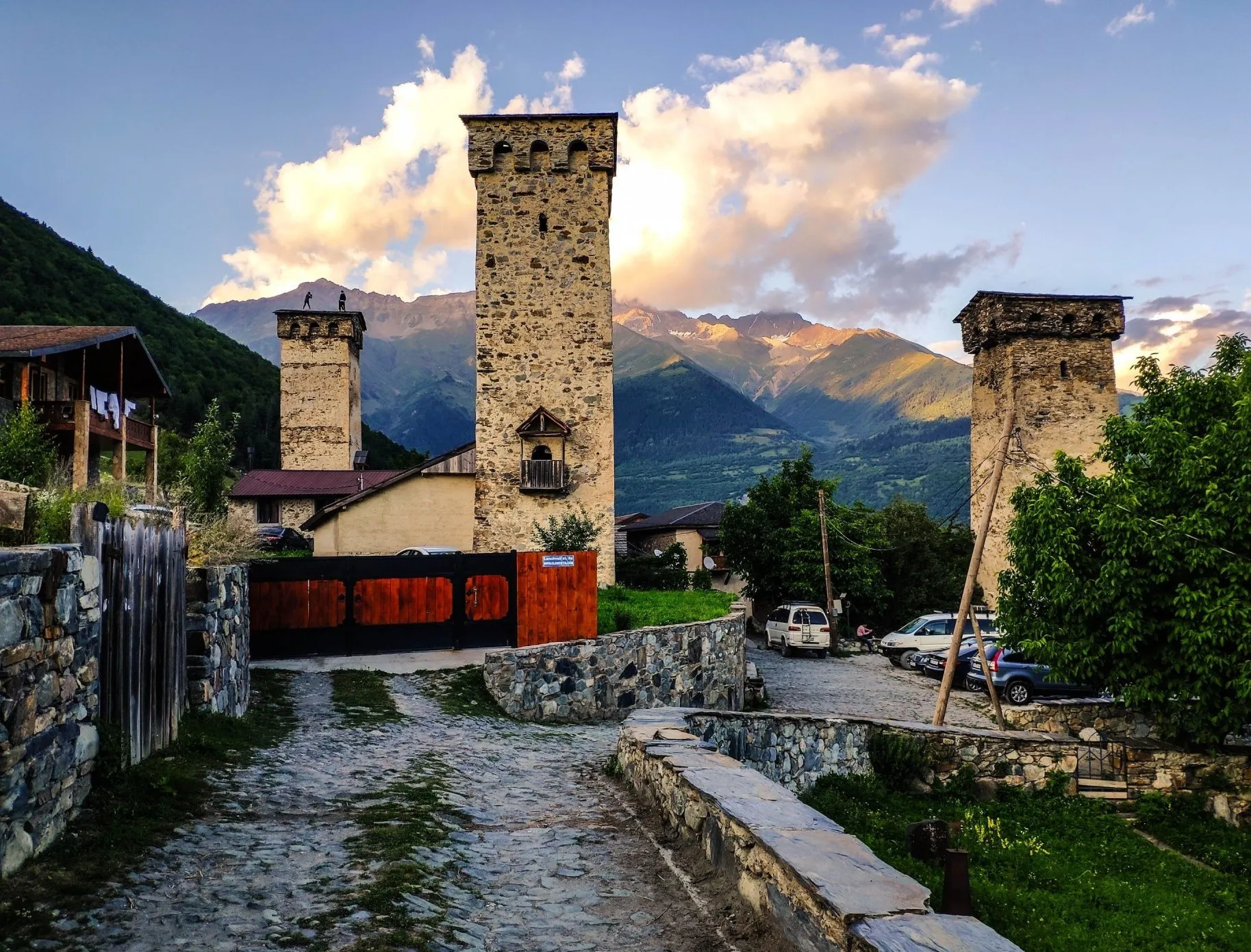
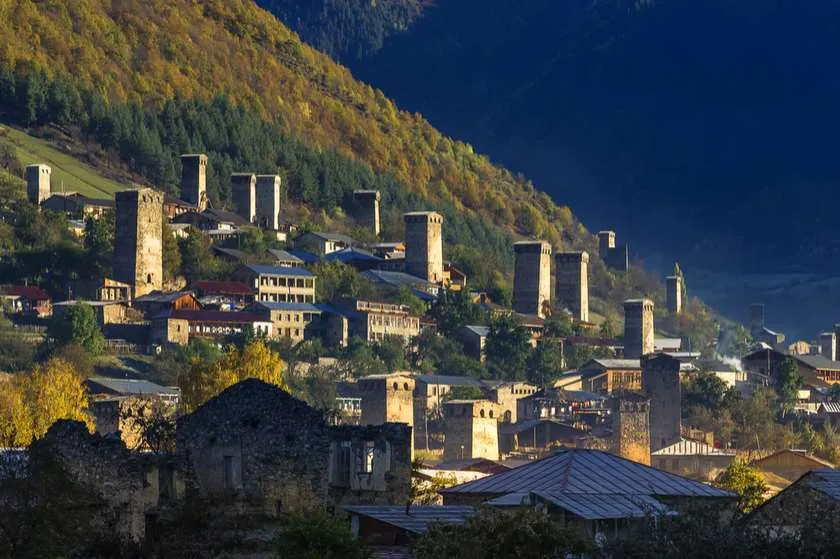
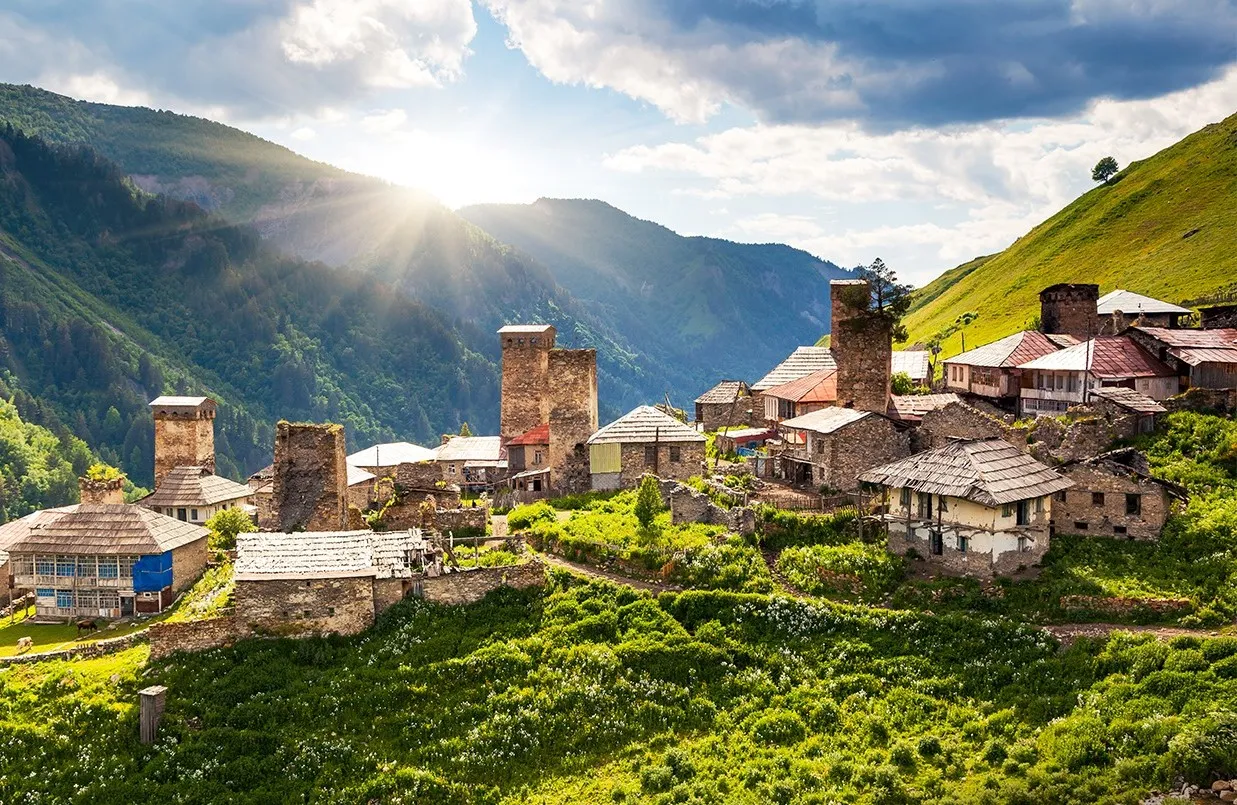
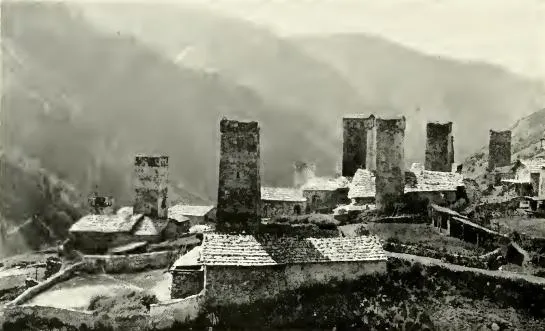
Svaneti is instantly recognizable for its medieval stone defense towers, built beside family homes. These towers once protected clans during feuds and invasions and now define the region’s identity. Villages like Ushguli and Mestia feel more like living museums than resorts.
Svans have their own language, traditions, and cuisine. Food is bold and filling – kubdari (meat-filled bread with spices), tashmijabi (cheesy mashed potatoes), and heavy dairy dishes made for cold climates. Customs are strict, hospitality is serious, and respect matters.
Culturally, Svaneti has preserved ancient rituals, polyphonic singing, and early Christian relics kept in remote churches. Many traditions survived precisely because the region was so hard to access.
Today, Mestia is the main hub, with improved roads and tourism infrastructure, but much of Svaneti still feels raw and untamed. It’s a place of grandeur and intensity – beautiful, demanding, and unforgettable.
Enguri Damm
On the way to upper Svaneti, Mestia municipality first important highlit one should see is Enguri Damm. It is one of Georgia’s most striking feats of engineering, set deep in the mountains near the Svaneti border. Towering at over 270 meters, it is among the highest arch dams in the world, holding back the turquoise waters of the Enguri River in a dramatic concrete curve framed by steep, forested slopes.
Built during the Soviet era, the dam is still a key source of hydropower for the country. The surrounding area feels powerful and slightly surreal — massive infrastructure dropped into wild nature. Visitors can stop at viewpoints along the road, and guided tours allow access to the dam’s interior, revealing its scale and precision.
View on map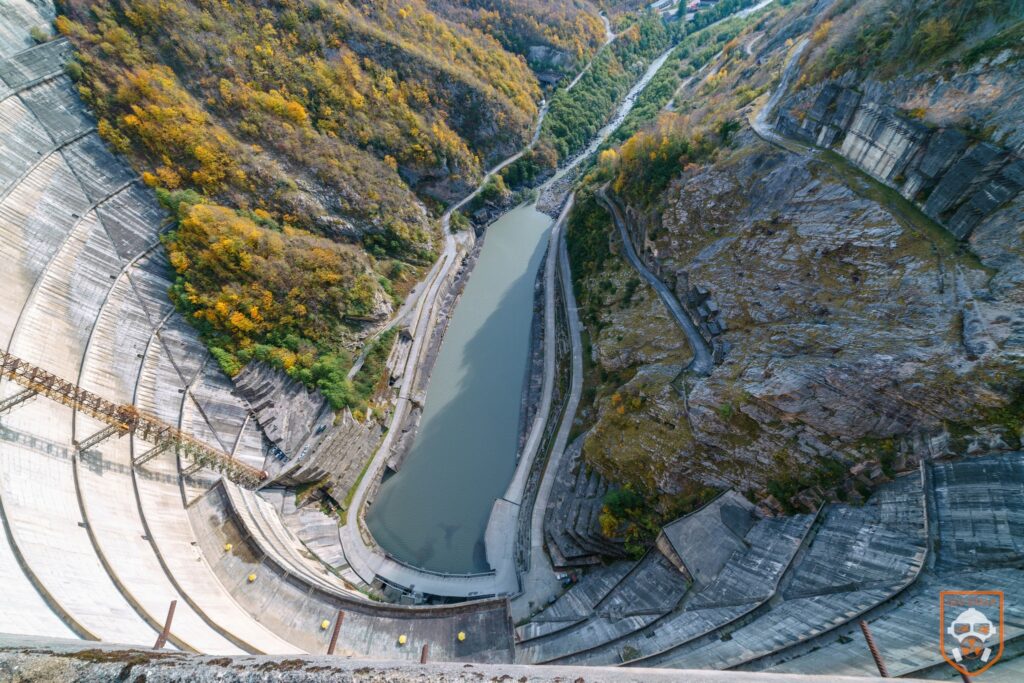
Mestia Municipality
Mestia is a municipality located in the Samegrelo-Zemo Svaneti region of western Georgia. It, like Svaneti as a whole, has an ancient history. Mestia is distinguished by its amazing, beautiful nature and abundance of cultural monuments. The beauty of Svaneti is captivating and unforgettable, with the peak of Ushba, the highest peak of Georgia, Shkhara, waterfalls flowing from steep rocks and alpine lakes as blue as the sky.
Svan towers, unique temples and various household and religious artifacts are truly a very interesting, individual and of great historical and cultural value part of the rich and diverse Georgian culture.
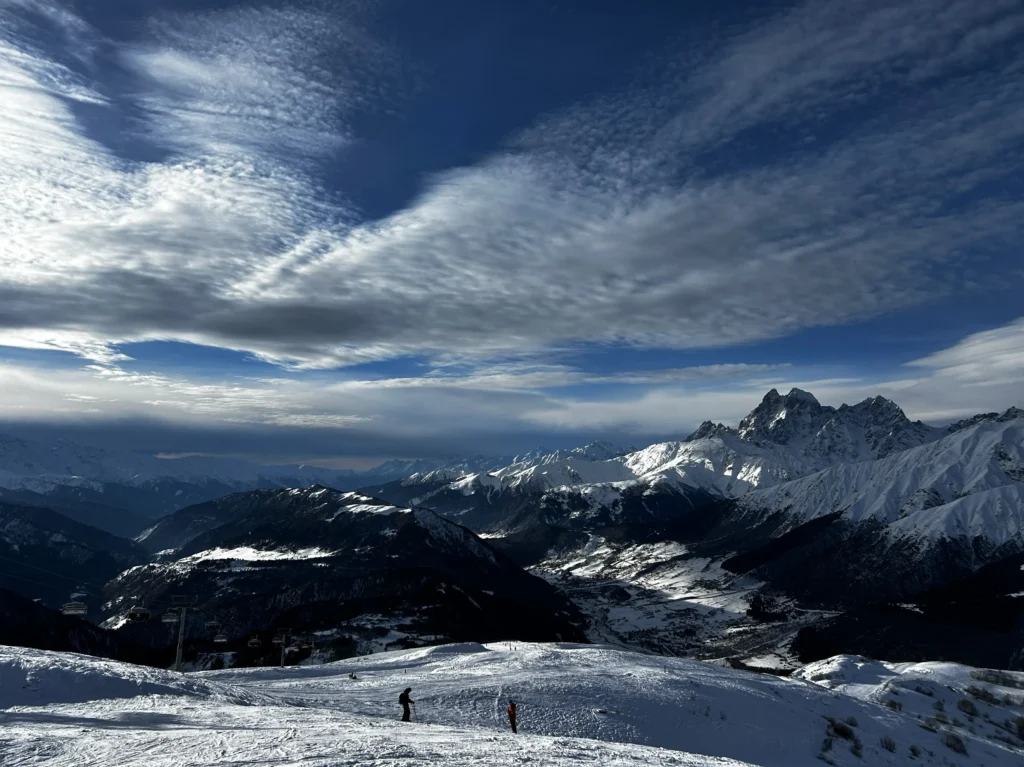
Mestia is a great place for mountain lovers both in summer and winter. The Hatsvali and Tetnuldi ski resorts operate here.
Mestia Municipality is located in the northern part of Western Georgia, in the Samgrelo-Zemo Svaneti region. Its administrative center is the town of Mestia. It covers the territory of Zemo Svaneti, the Enguri River valley from the source of the Enguri to the border of Samegrelo.
Upper Svaneti was divided by the Bali ridge into Upper Svaneti and Lower Svaneti. Lower Svaneti was the domain of the Dadeshkelians, while Upper Svaneti was called Free Svaneti. Mestia Municipality is a mountainous region with about 200 glaciers, including the highest peak in Georgia, Shkhara. The main river of Mestia is the Enguri.
The nature of Mestia is very rich in beautiful places, where you can both comfortably relax in hotels with amazing views, as well as go on adventurous hikes with a tent and a campfire. Snow-capped peaks, waterfalls, lakes surrounded by rocks, and fields filled with breeze will make you feel like you are in paradise.
You shouldn’t leave Mestia without trying the delicious Svan cuisine, the main dish of which is kubdari.
Svaneti Ethnographic Museum
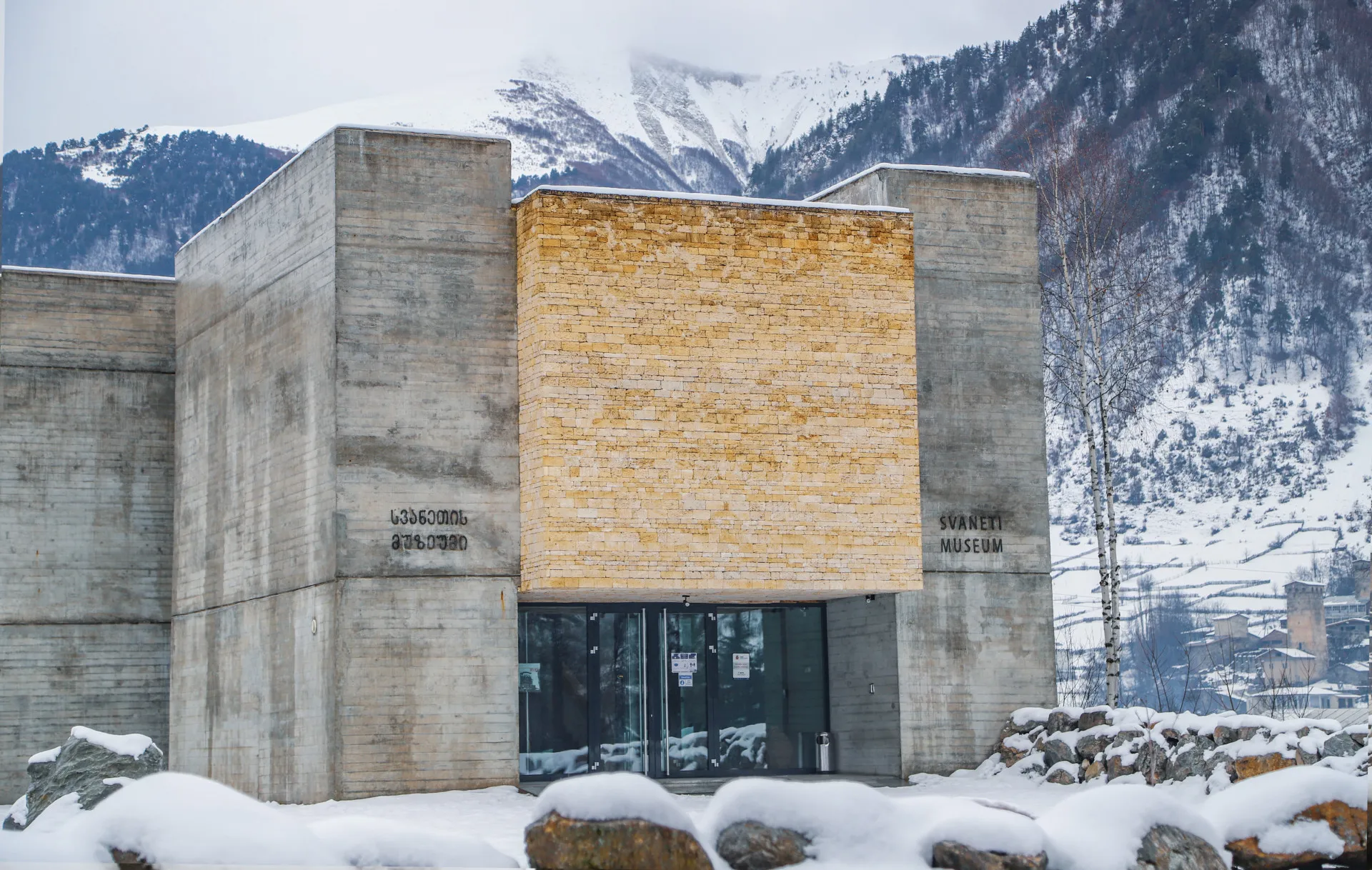
Svaneti Historical and Ethnographic Museum — a museum in Mestia, Svaneti. Founded in 1936.
The Svaneti Historical and Ethnographic Museum includes a diverse exposition, where almost all branches of Svaneti’s ethnocultural heritage are presented. A visit to the museum begins with an acquaintance with archaeological material discovered in Svaneti dating back to the 3rd millennium BC. It is followed by a numismatic cabinet. A treasure trove of Christian art of the 9th-18th centuries, an exposition of printed books of the 9th-19th centuries, sacred and secular manuscripts. The museum’s temporary exhibition space is devoted to local and international exhibitions.
The Mestia Museum preserves materials obtained as a result of archaeological excavations in the Svaneti region, unique examples of Georgian engraving and iconography, ancient manuscripts, early and late medieval military equipment, iron, silver, copper products, jewelry, pottery, fabrics, ethnographic items depicting the life of ancient Svaneti, and more.
See more on official Facebook page

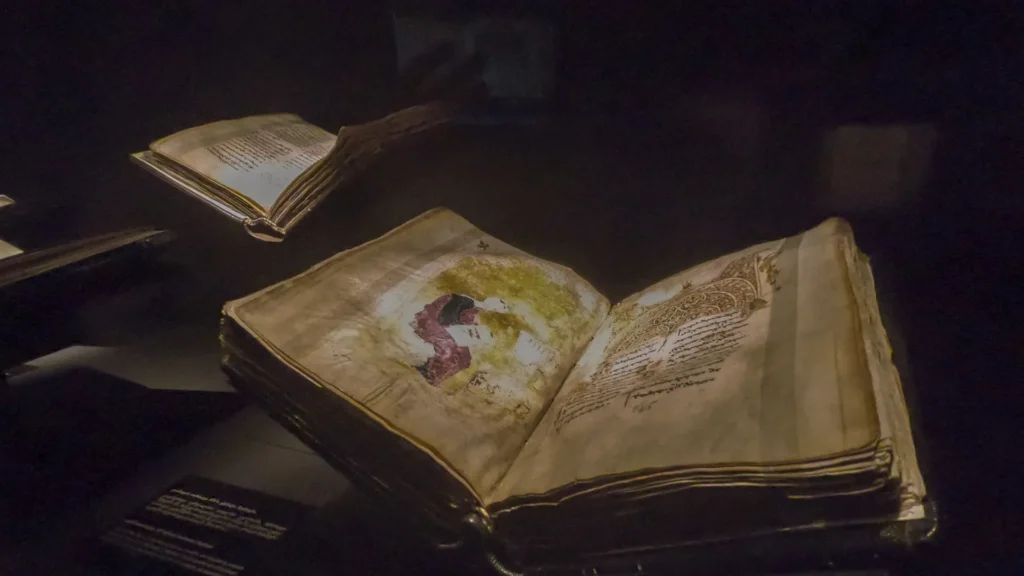
In Mestia
Mikheil Khergiani House Museum – The house museum of the Georgian alpinist, Honored Master of Sports of the USSR nicknamed “the Tiger of the Cliffs” – Mikheil Khergiani in Mestia, Svaneti. The memorial house museum was established in Khergiani’s native house in 1983.
The first floor of the museum exhibits the personal belongings of the famous mountaineer, International Master of Sports Mikheil Khergiani (1932-1969).
Mikheil Khergiani was a seven-time USSR champion in rock climbing. He earned the nickname “Tiger of the Cliffs” from English climbers for his ability to climb difficult rocky routes with incredible speed. Many people have been saved as a result of Khergiani’s rescue work. To immortalize his name, the Khergiani Memorial Museum was opened in Mestia in 1983. Since 1976, the Khergiani Memorial (a rock climbing competition) has been held annually near Gagra. In 1971, the Khergiani Prize was established in the Rock Climbing Competition.
He was buried in his home village of Mestia, where a museum dedicated to him now stands. Khergiani’s fame was such that after his death, songs were composed that described Dali, the Svan cliff-dwelling goddess of the hunt, in mourning for him. in his honor – several peaks and climbing routes have been named after him
Ratiani & Margiani House Museums and Towers – in the center of Mestia there are also 2 other hose museums worth visiting for better introduction to local authentic, traditional and old way of life
Mineral water springs – very tasty and healthy (best for hangovers) slightly carbonated mineral waters near Mesta museum
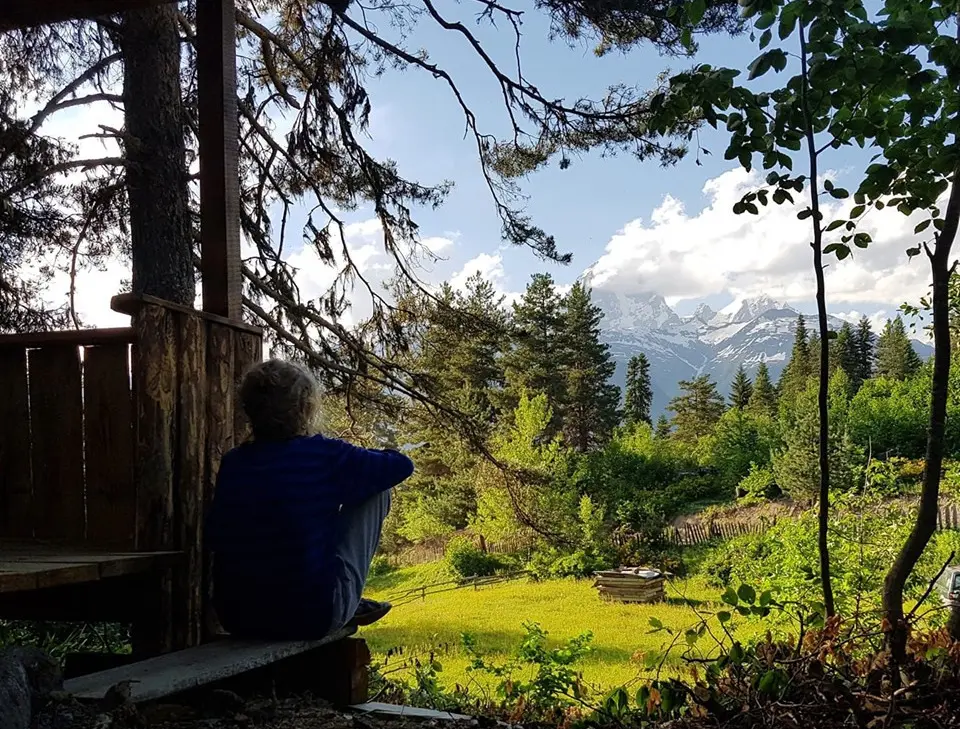
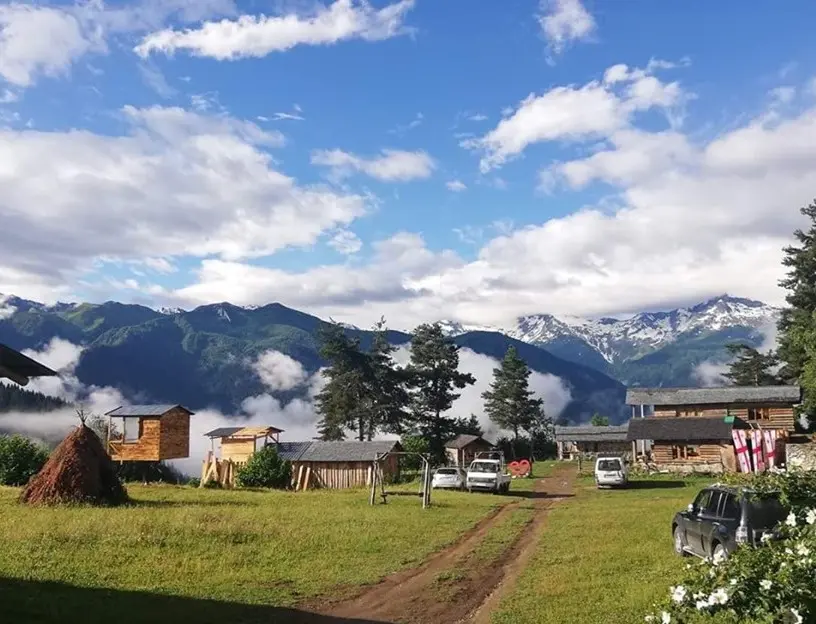
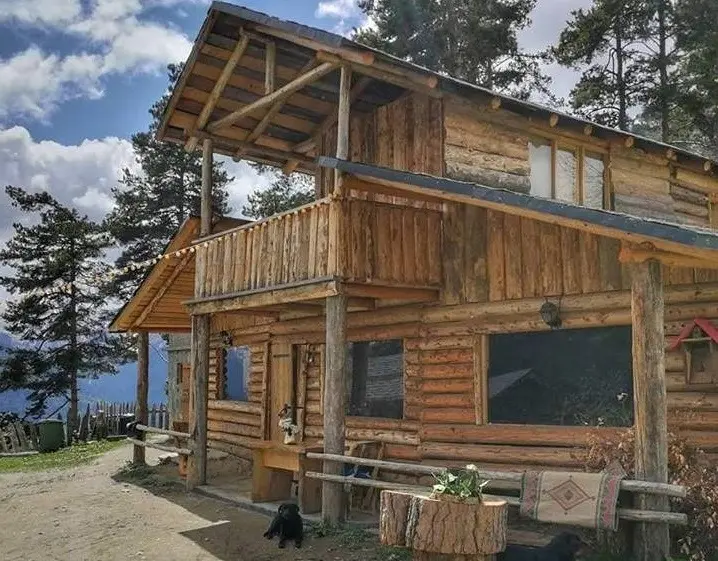
Near Mestia – highly Recommended Guesthouse: “Heshkili Huts”
The guesthouse (small cottages and treehouses) has amazing viewpoint, very nice family running it, great food and just very pleasant place to spend some time.
Contact info:
Facebook page – https://www.facebook.com/heshkilihuts/
Email: heshkilihuts@gmail.com
Telephone – (+995) 595 52 51 18.
Chalaadi Glacier
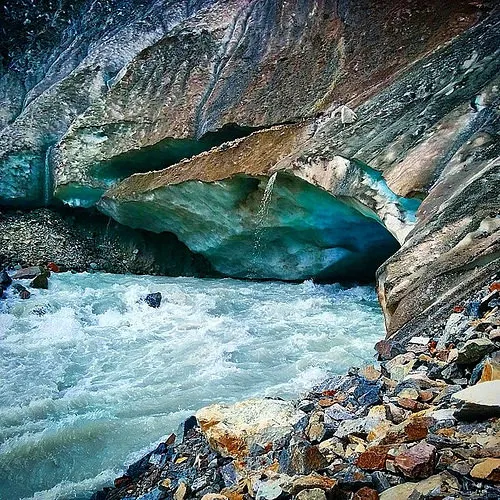
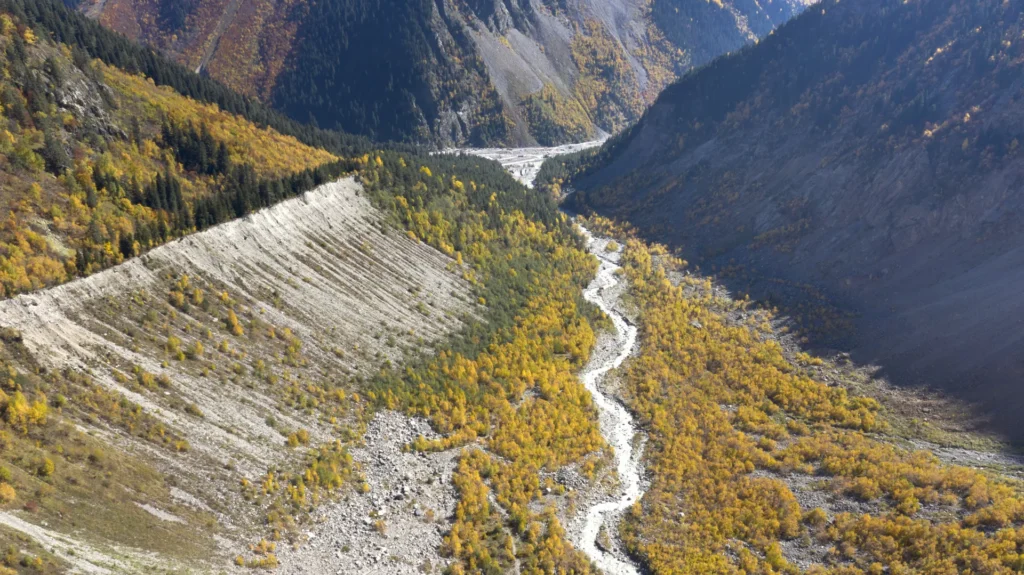
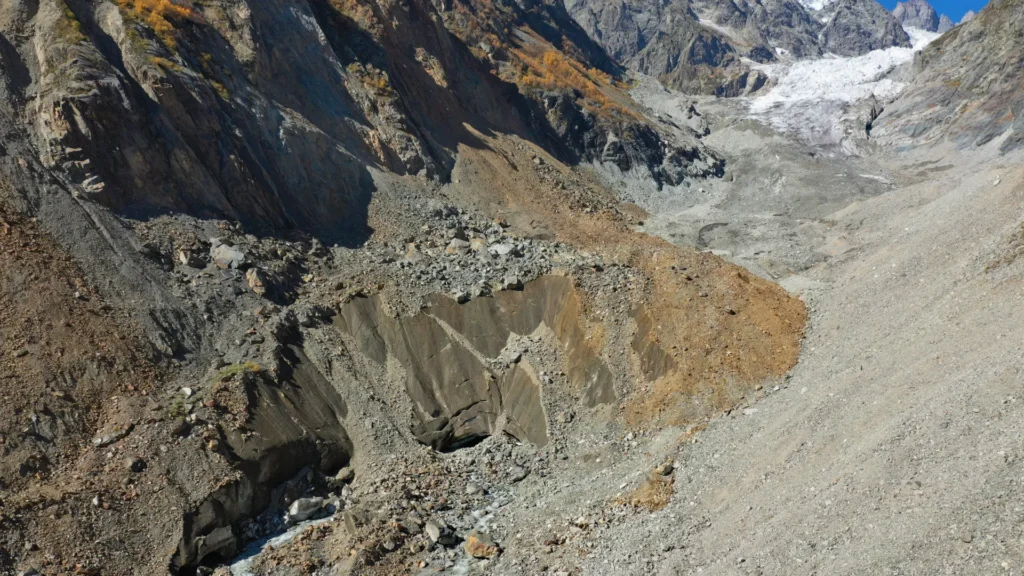
Near Mestia in 30minutes drive is located a breathtaking natural wonder surrounded by snow-capped peaks. Visitors can witness its beauty up close with a 1 hour mild and beautiful hike, or admire it from the road. At an altitude of over 2,800 meters above sea level, the glacier is fed by the Chalaadi River. The area also offers opportunities for adventure, including horse riding, skiing, and mountaineering. The moderate hike to the glacier passes through traditional Svan villages and ancient towers, offering panoramic views of the surrounding mountains, including Mount Ushba. Proper hiking gear is recommended for a safe and enjoyable experience.
View on map
Hatsvali & Zuruldi
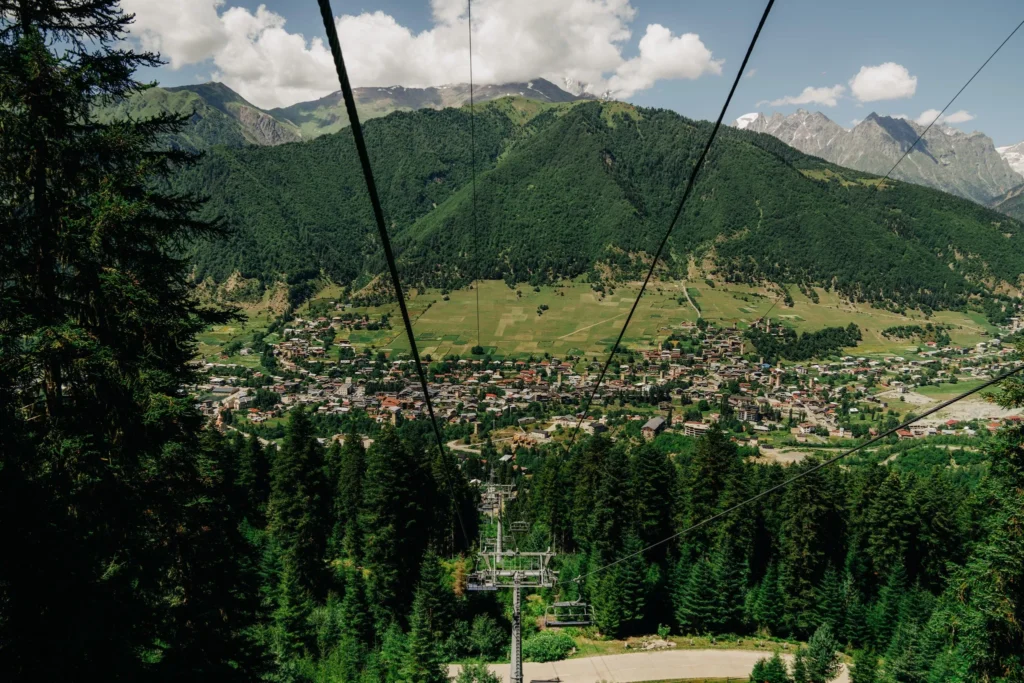
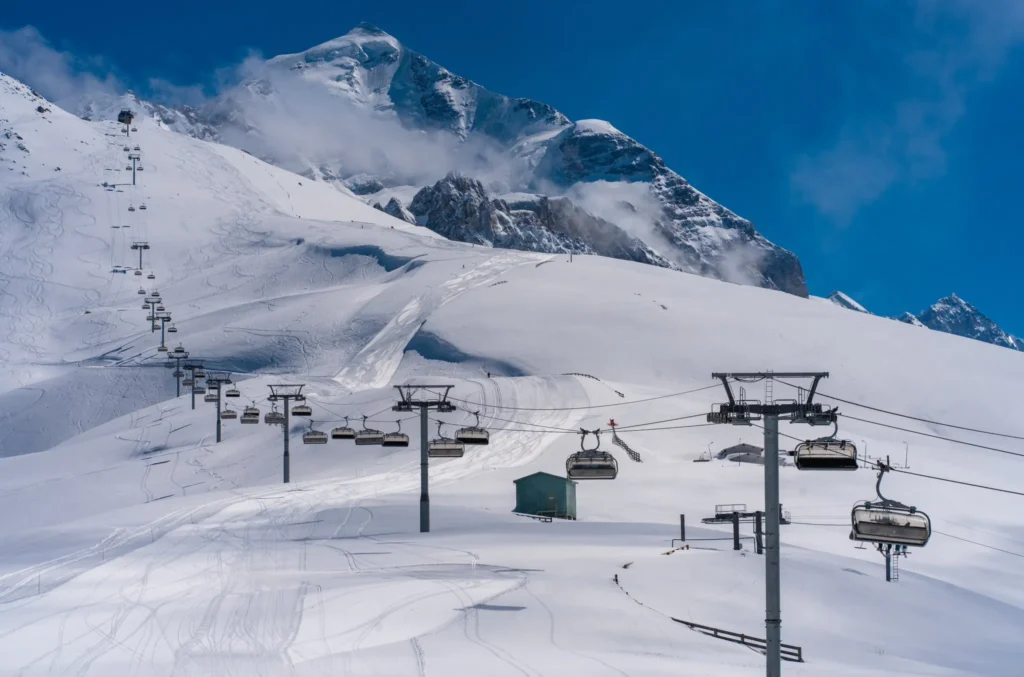
The Hatsvali ski resort is located in Svaneti, 8 kilometers from Mestia. Its maximum altitude is 2348 meters above sea level, and the minimum is 1868 meters. It is very quick and easy to get here from Mestia. Hatsvali is connected to Mestia by both an asphalt road and a 6-seater cable car. In summer, the cable car connecting Mestia and Hatsvali does not work and you will have to get to the resort by car. In winter, the road is cleared and it is possible to get here by any type of vehicle if it is prepared for driving on snow.
The resort has 4 ski lifts, which serve skiers from 10:00 to 17:00.
For more information about Hatsvali, see our page about Skiing in Svaneti resorts.
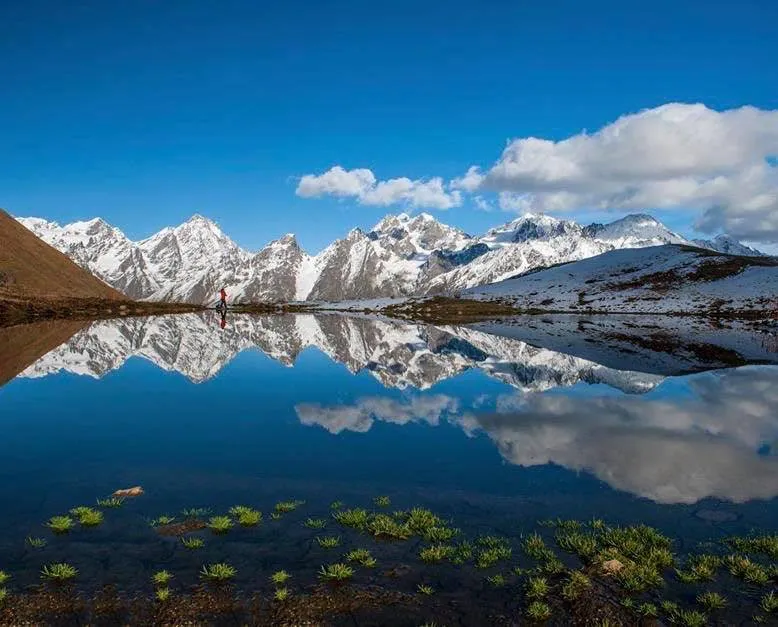
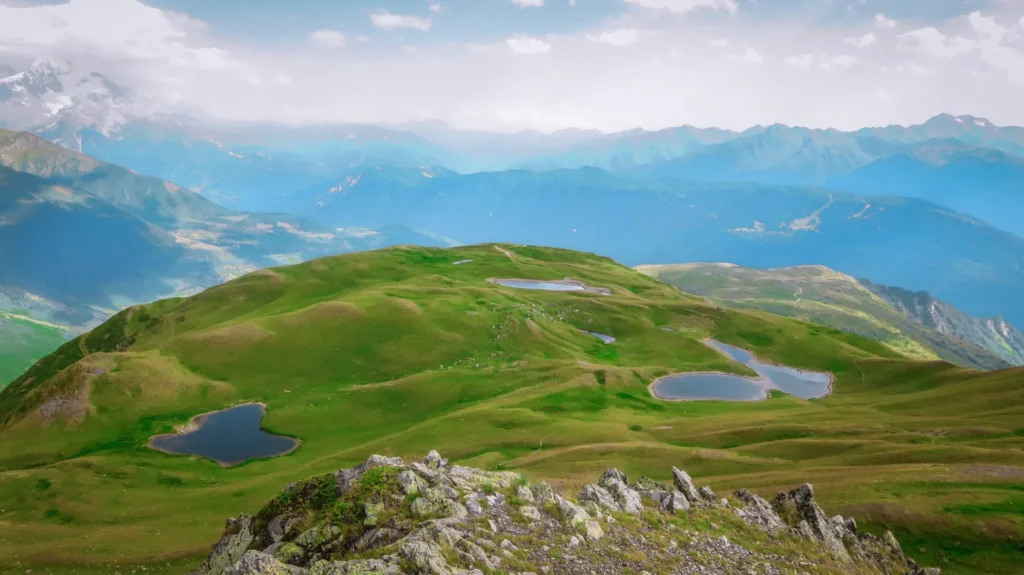
Qoruldi Lakes
are located in Upper Svaneti, at an altitude of 2850 m, 10 km from Mestia. The lakes are surrounded by the glaciers of the Caucasus.
Svaneti is distinguished by its diversity of hiking routes and impressive places to visit, and Koruldi Lakes are one of these special places. Velvet meadows, flowing water and white glaciers standing guard, stretching to the sky, will fill you with a feeling of freedom, peace and life. The Koruldi Lakes offer magnificent views. You will see the villages of Upper Svaneti and the Enguri Gorge, Asve Shkhara, Tetnuldi, Ushba, Laila and other peaks. The vast expanses, the sparkling blue lake and the peaks reflected in the mirror of the lake leave an unforgettable impression on the visitor.
Visiting this beautiful place does not require any special effort and anyone can visit, as it can be reached by Hiking, by horse, or even by an off-road vehicle. A 4×4 vehicle is required to reach the Koruldi Lakes. Recommended seasons are: late spring, summer, and fall.
View on map
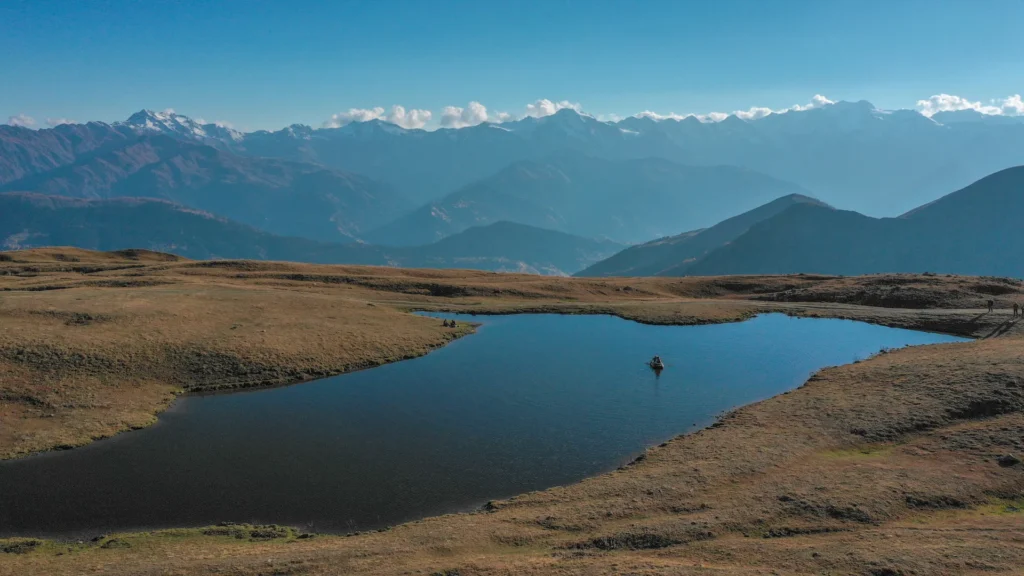
Becho, Village Mazeri, Mt. Ushba & Shdurga Waterfalls
Village Mazeri is a small last village in the Becho villages range near Mestia. The area offers best views of Mt. Ushba from the south side and some beautiful treks to Ushba glacier, Shdugra waterfalls and over the Guli pass to Mestia.
For more information on treks we recommend website: Caucasus Trekking – Svaneti
While exploring the area, we recommend visiting Local small Café-guesthouse – Hikers Inn.
It’s located on the way to Ushba Glacier and Shdugra Waterfalls. Apart from friendly greeting and nice locals you will find artificial lakes (one for swimming, one as trout farm), Svanetian specialty dish Kubdari with a twist (instead of beef made out of trout), a sauna, accommodation and chilling area with a great view and a horse rental.
Facebook page: Hikers Inn
Contact info: qortvebish@gmail.com
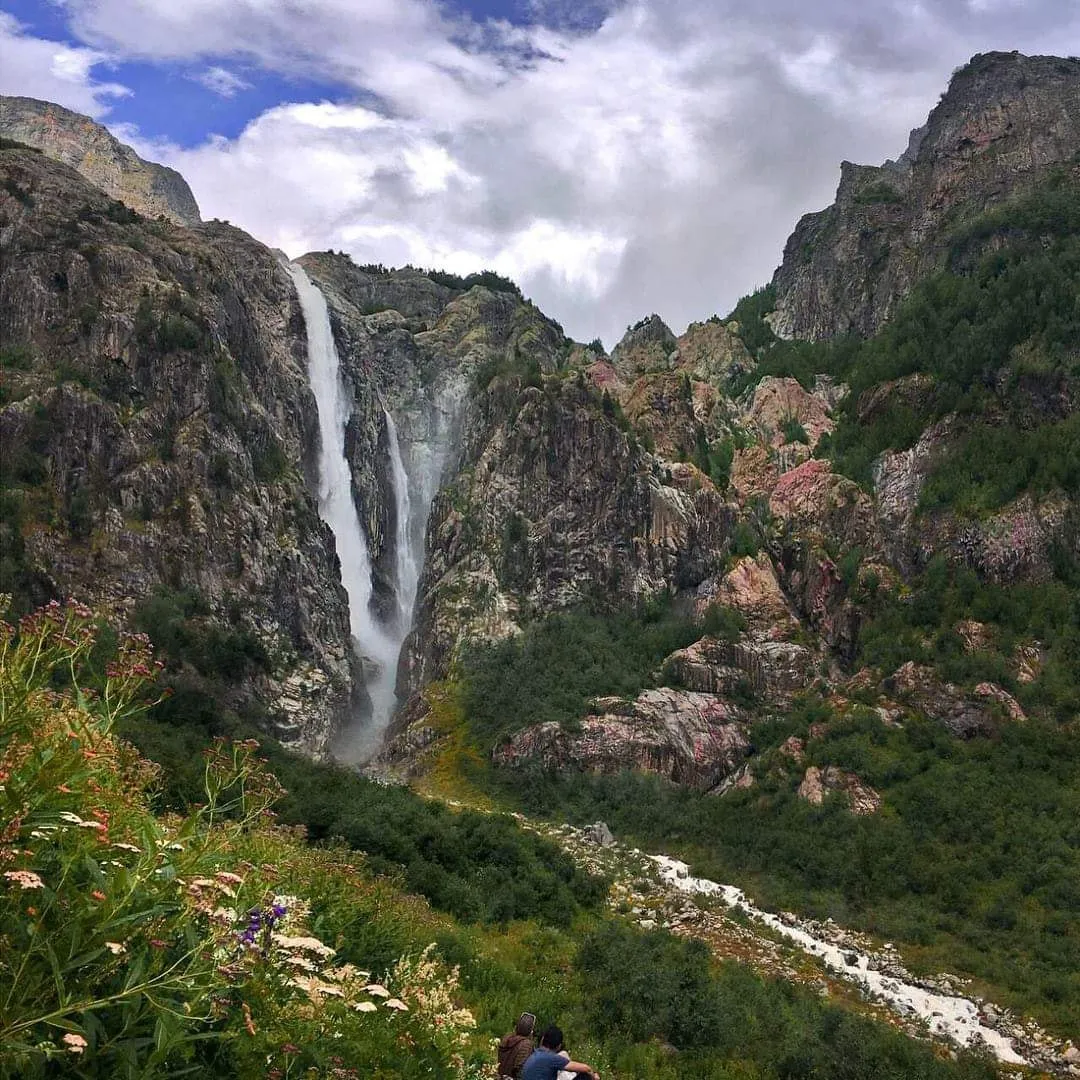
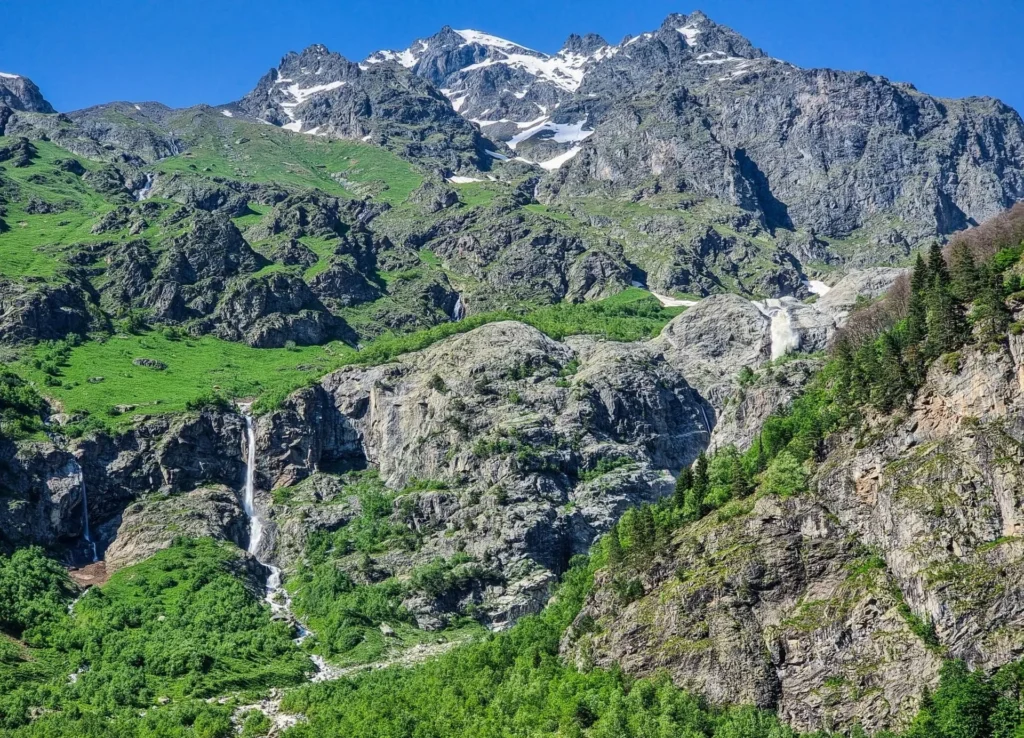
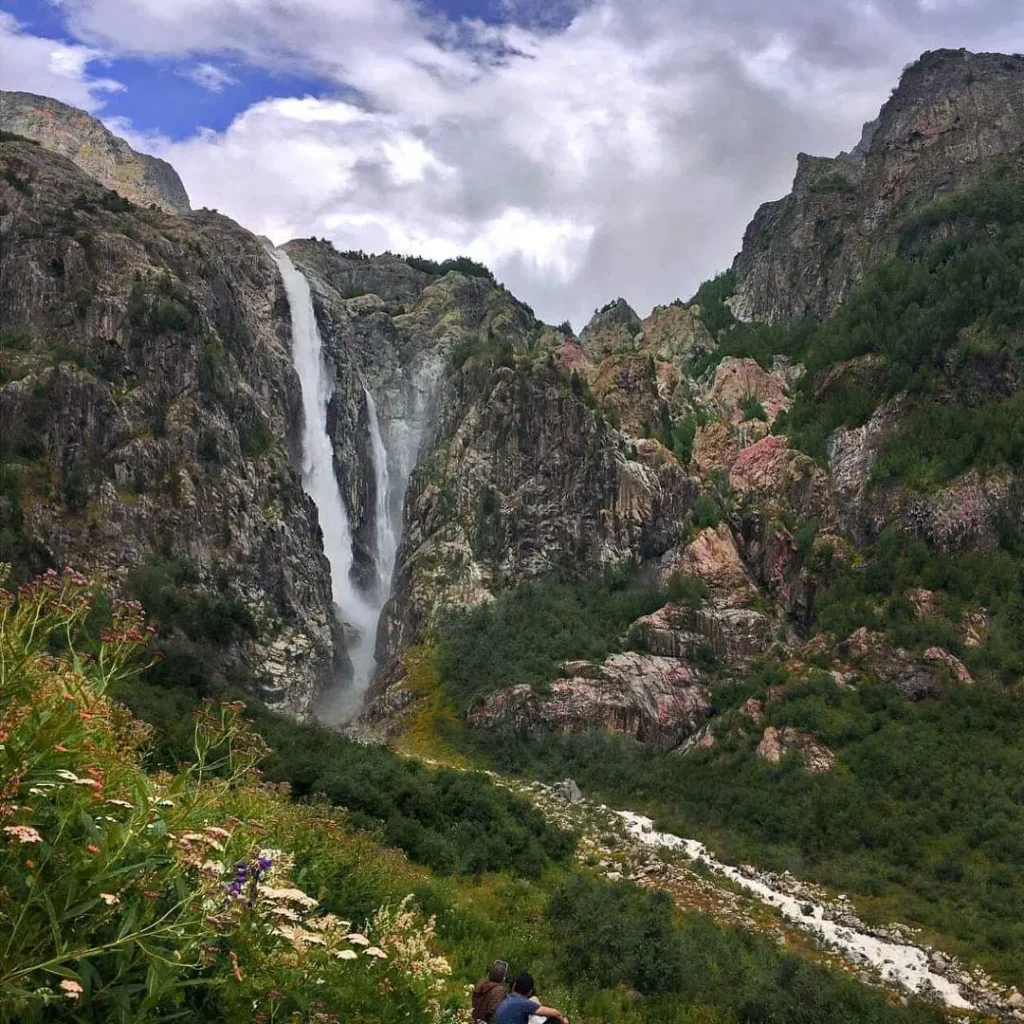
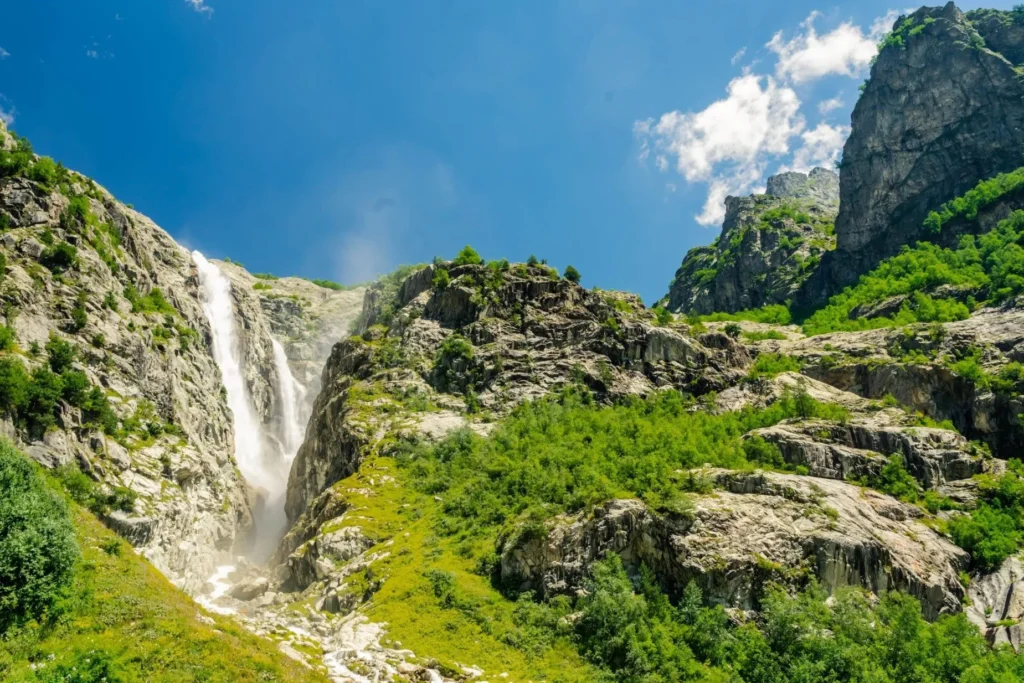
Ushba Waterfall (Shdugra) is the most water-rich waterfall in Georgia. It is located in Svaneti, near the village of Mazeri. The waterfall can be reached both from the bottom and from the top. If you climb to the top, you can see the glacier at the bottom of Ushba, as well as a beautiful view of Svaneti. The walking distance to the bottom of the waterfall is about 3 km (one way), and if you want to get to the top of the waterfall, you will have to walk an additional 3 km. The last section follows a medium-difficulty trail and you will also have to cross a river, but you will be satisfied with what you see.
Mt. Tetnuldi & Tetnuldi ski resort
The Tetnuldi ski resort is located in Upper Svaneti, in the Mestia municipality, on the main watershed of the Svaneti Caucasus. The maximum altitude of the ski slope is 3160 meters above sea level, and the minimum is 2260 meters. The resort is 15 kilometers from Mestia, the average transportation time is 1 hour.
From Mestia to the Tetnuldi resort, an off-road vehicle is required during the winter season.
The Tetnuldi ski slope is the longest in Transcaucasia – 9.5 km. and has the largest vertical drop – 1.7 km. The total length of the ski slopes is 30 kilometers. At this stage, 4 ski lifts have been installed at the Tetnuldi resort.
The construction of the Tetnuldi ski resort began in 2014, the first stage was completed in 2016, and its development is underway in stages. Currently, the resort operates the Tetnuldi restaurant and several fast food outlets. Ski equipment can also be rented at the resort. There is free parking here. The ski season at the resort lasts from December to April, although the best period is January – February. Tetnuldi is distinguished by one of the longest ski seasons. Tetnuldi offers vacationers a variety of activities. There is constantly fresh, large and high-quality snow for lovers of skiing in untracked snow. More infor on aour Skiing in Svaneti page.

The Kala St. Kvirike Church
The Kala St. Kvirike and St. Ivlita Church is located in the south of the Chkhutneri Range, in the Mestia Municipality. Its height varies from 1870 meters above sea level. It is called Lagurka in Svan. It was built in the 10th century. The church is of the hall type. In the Middle Ages it was a monastery complex. The church was painted in 1112 by the royal painter Tevdore, who had previously painted the Ifari Archangel Church in Svaneti in 1096. The Kala St. Kvirike and St. Ivlita Church preserves the entire treasure of the Kala community (X-XII-XIII) of medieval carved and painted icons. An enameled icon is also kept here, which the Svans call the “Shaliani Icon”.
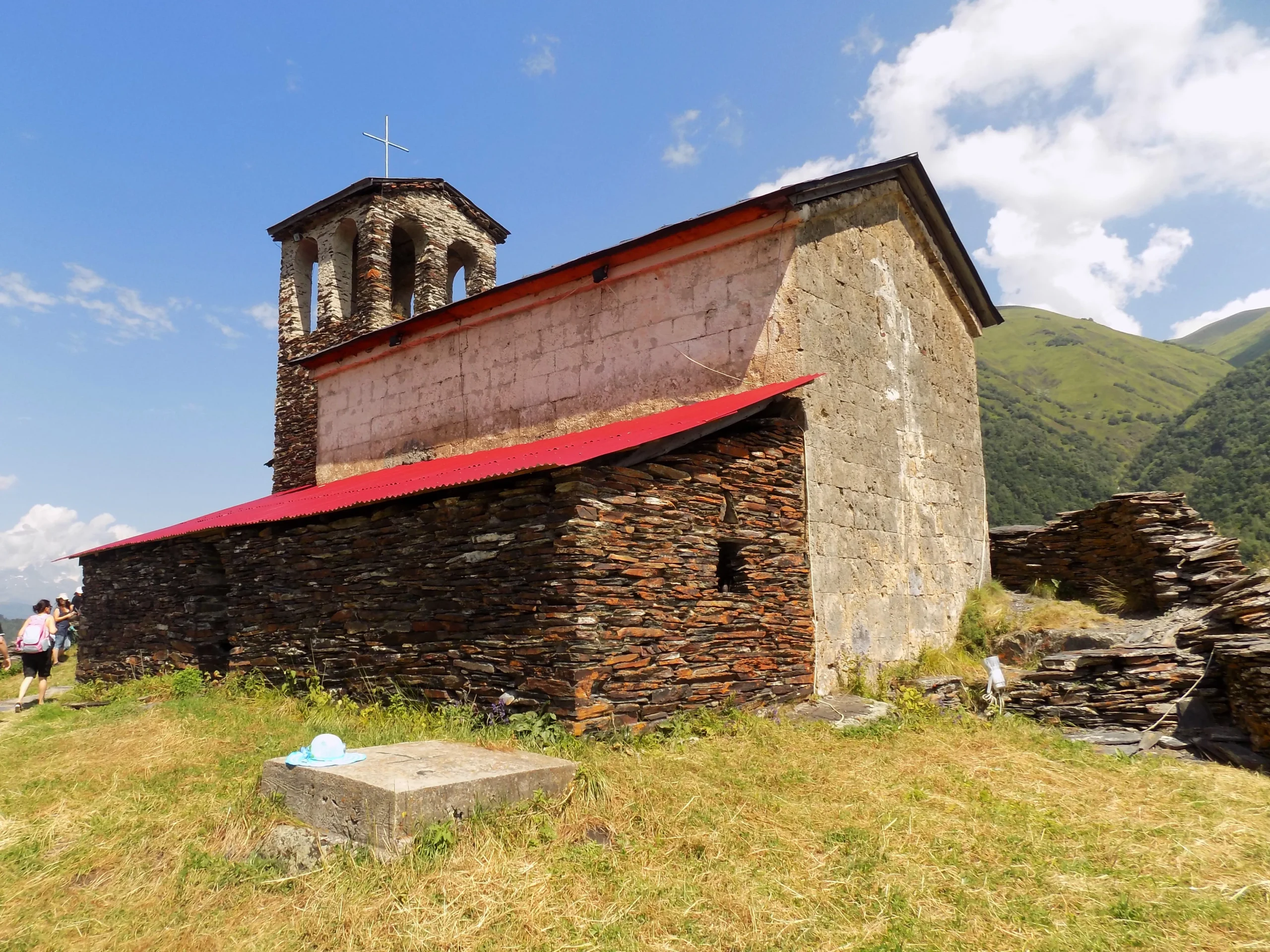
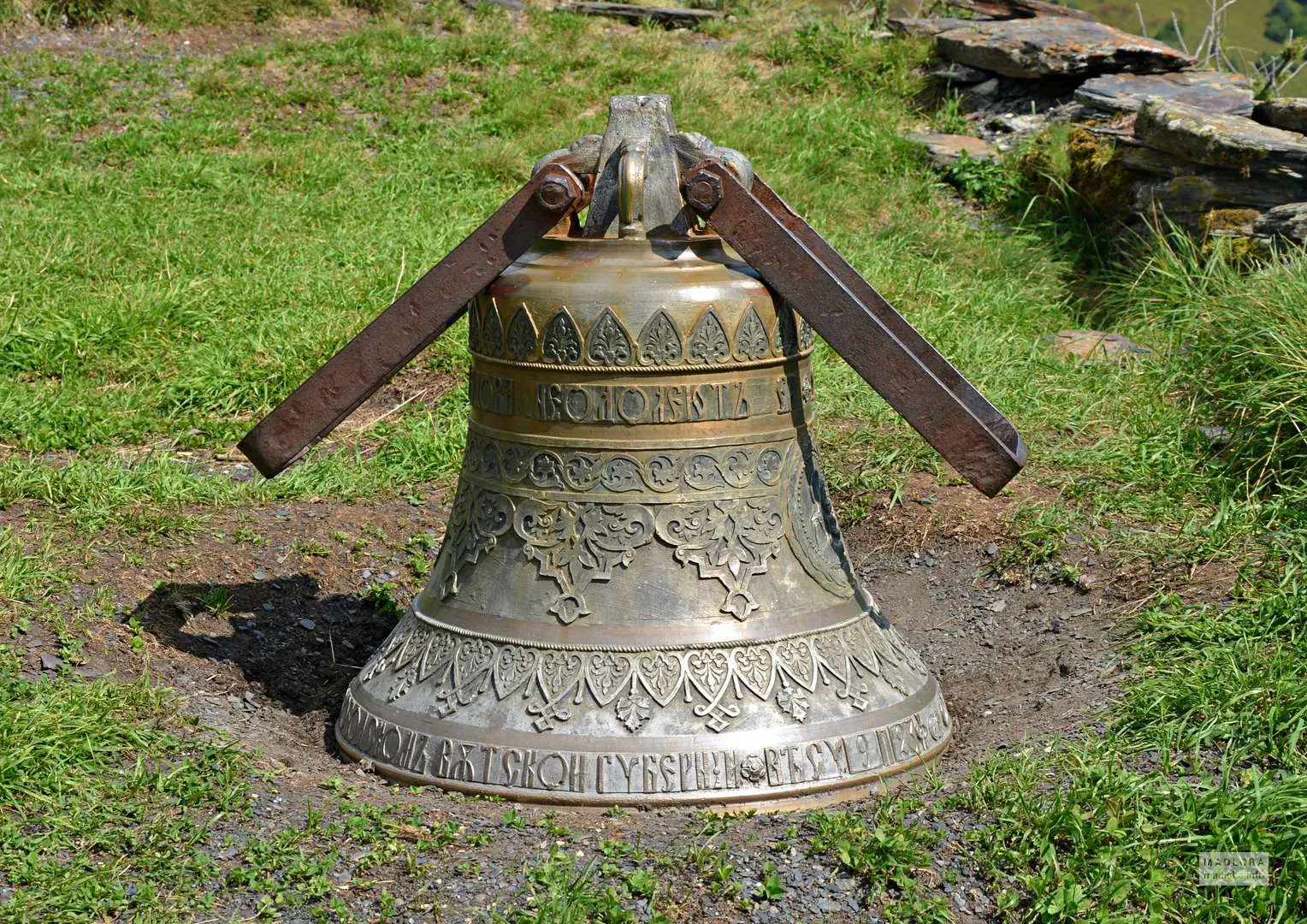
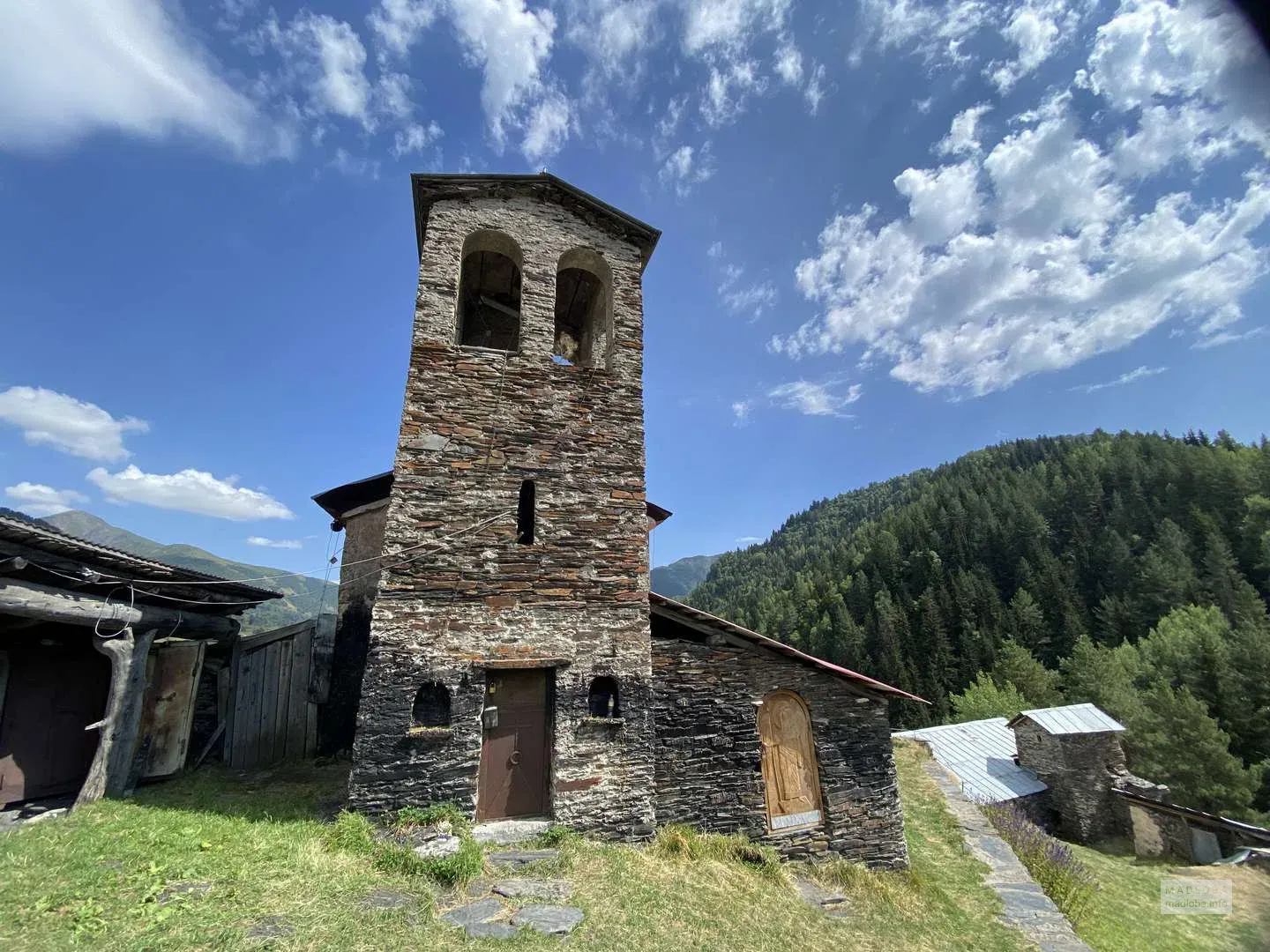
Nakipari – a village in Georgia, in the Samegrelo-Zemo Svaneti region, in the Mestia municipality, in the Ifari community. It is located on the banks of the Enguri River. At an altitude of 1,600 meters above sea level. The village has a 10th-century church of St. George.
The village of Nakipari is located 22 kilometers from Mestia.
View on map
Ifrari Archangel Church
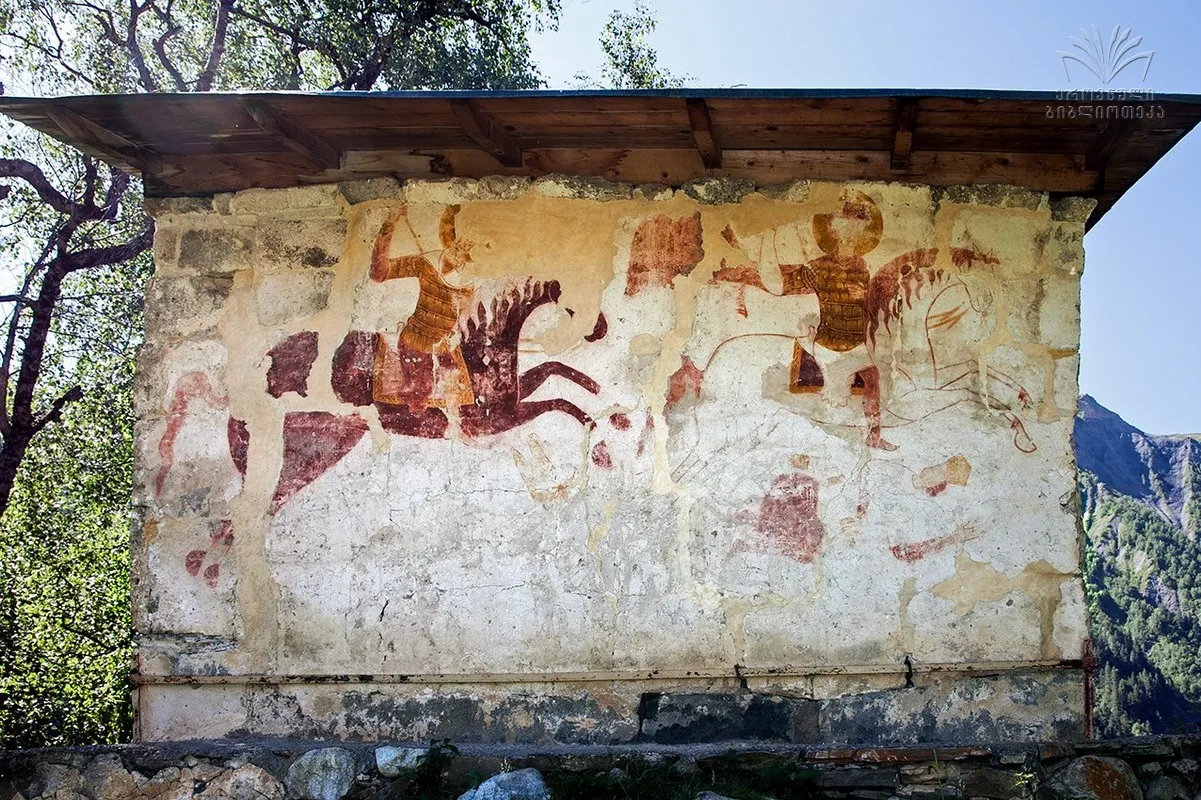
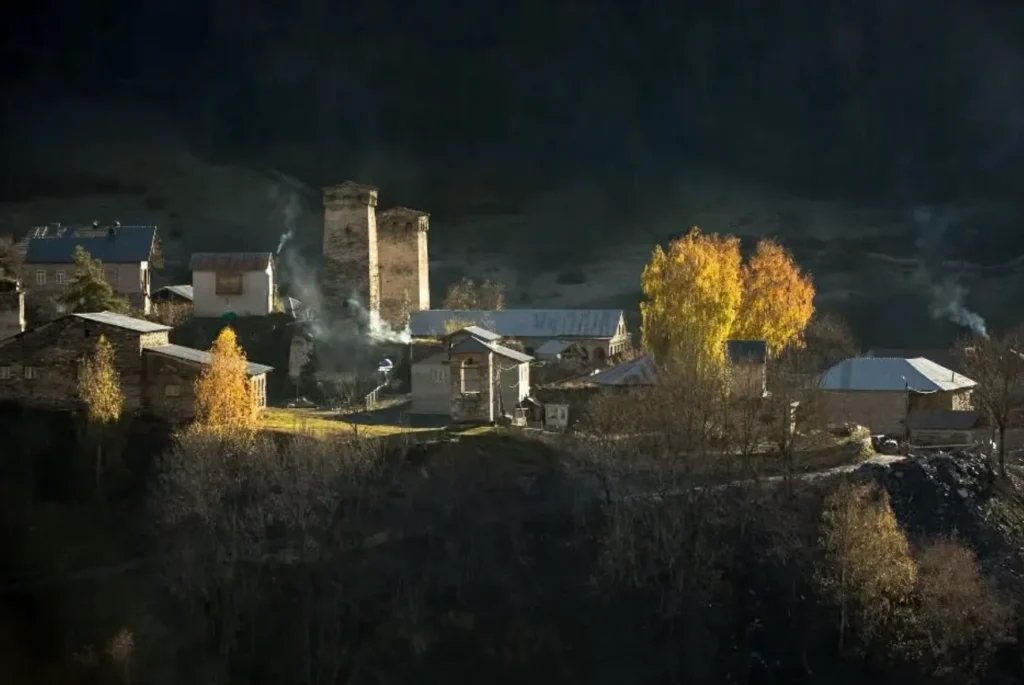
The small hall church is built of carved slate tiles and dates back to the 11th century. The facades are intact, only fragments of frescoes have survived on the southern facade, in the upper part of which was a seven-and-a-half-figure Deisus composition. Each figure had an icon-like frame. A strip of geometric ornament ran along the length of the facade, below which was depicted a horseman with an arch and the inscription “St. Esate”. The entrance is from the west, arched from the inside, and rectangular from the outside. The altar is raised by two steps and is separated from the rest of the space by a three-arched nave, in the middle of which the entrance arch is wide and slightly rounded, while the side openings on the side of the altar are architraves. The conch arch rests on the sides of the apse. The arch of the arch rests on the pilasters of the southwest and southeast corners. The north and west walls are flanked by steps.
View on map
Adishi
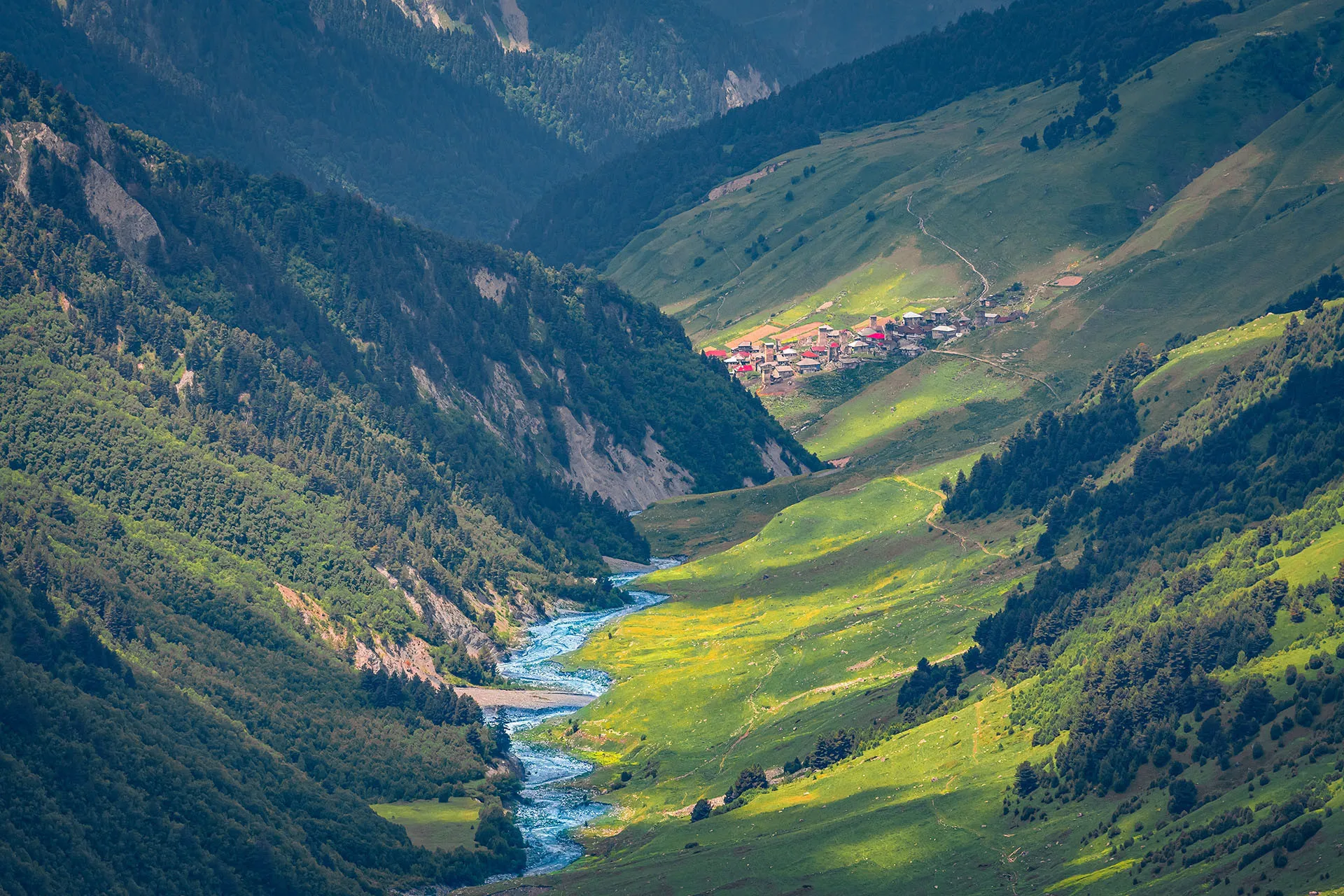
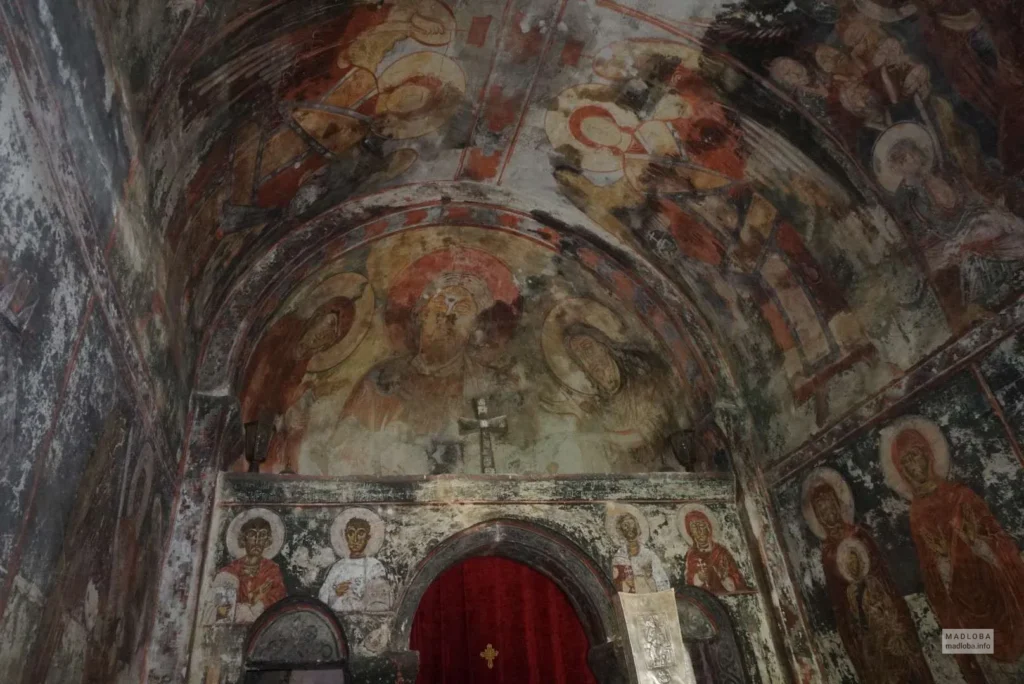
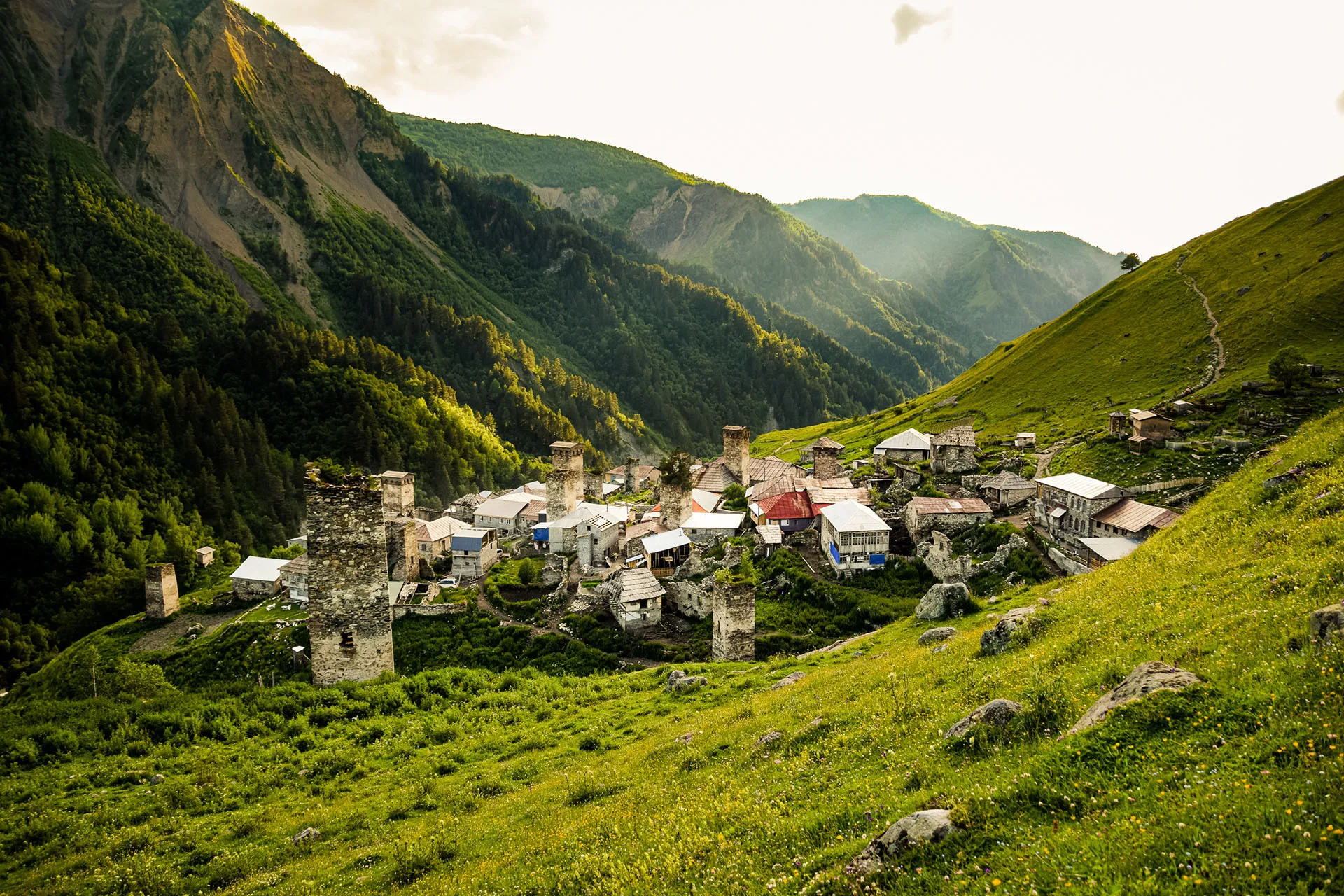
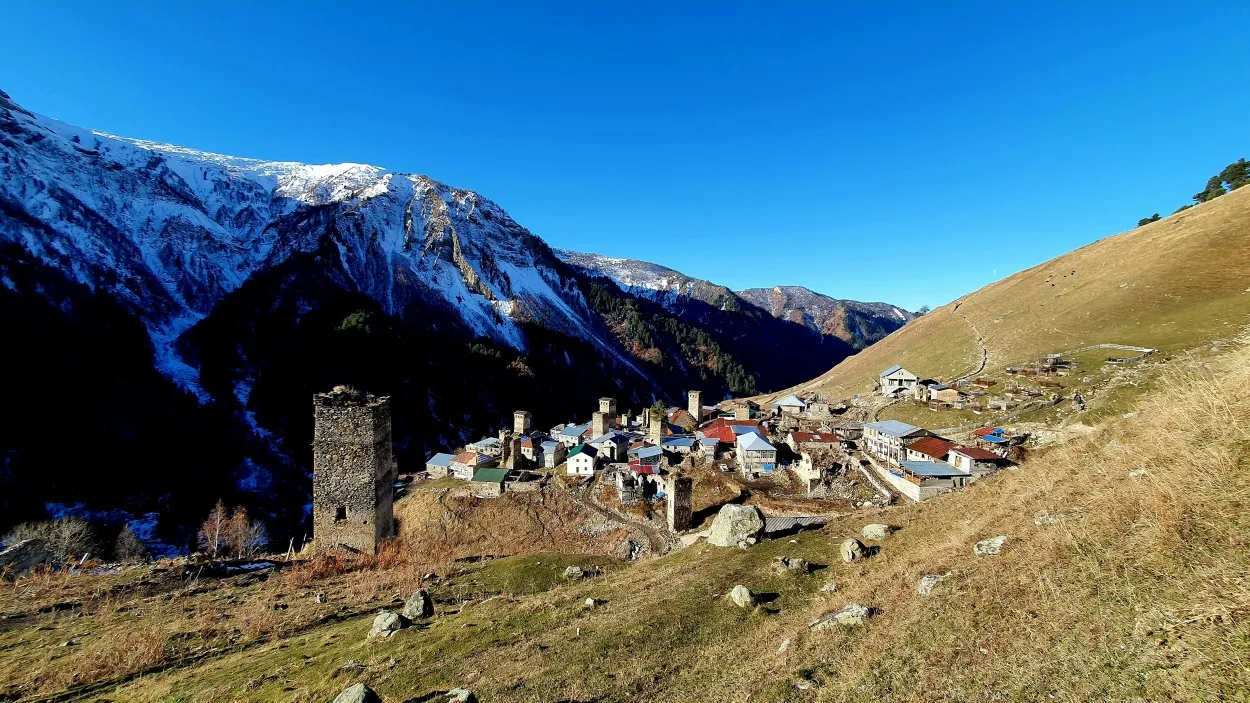
Village Adishi is located in a remote valley at the foots of gorgeous Mt. Tetnuldi.
Stone houses and medieval defense towers cling to the slopes, while glaciers and sharp peaks rise directly above the village, giving it a raw, almost untouched feel. People are friendly and hospitable. Life here moves slowly and traditionally.
In summer, it becomes a key stop on the classic Mestia–Ushguli trek, with family guesthouses offering simple food and shelter to hikers. The Adishchala River crossing nearby is one of the most memorable moments of the hike, often done on foot or on horseback. Isolated, austere, and beautiful, Adishi feels like Svaneti at its most elemental.
View on map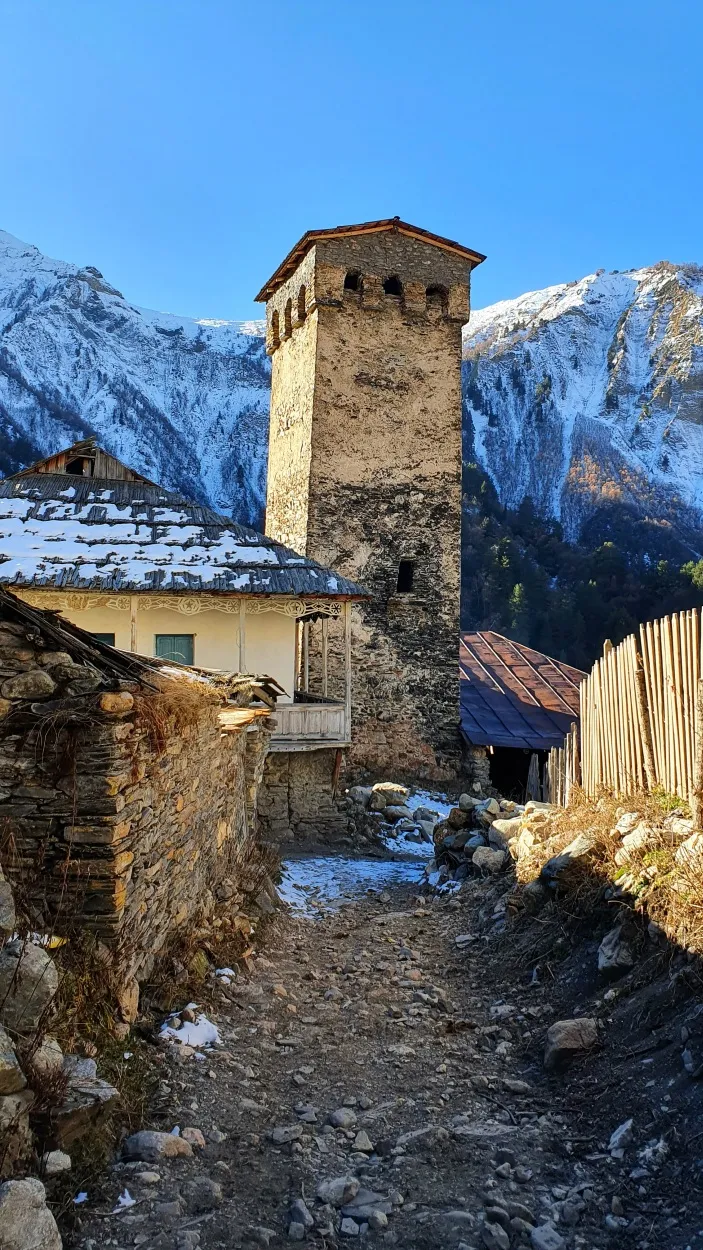
Tower of love
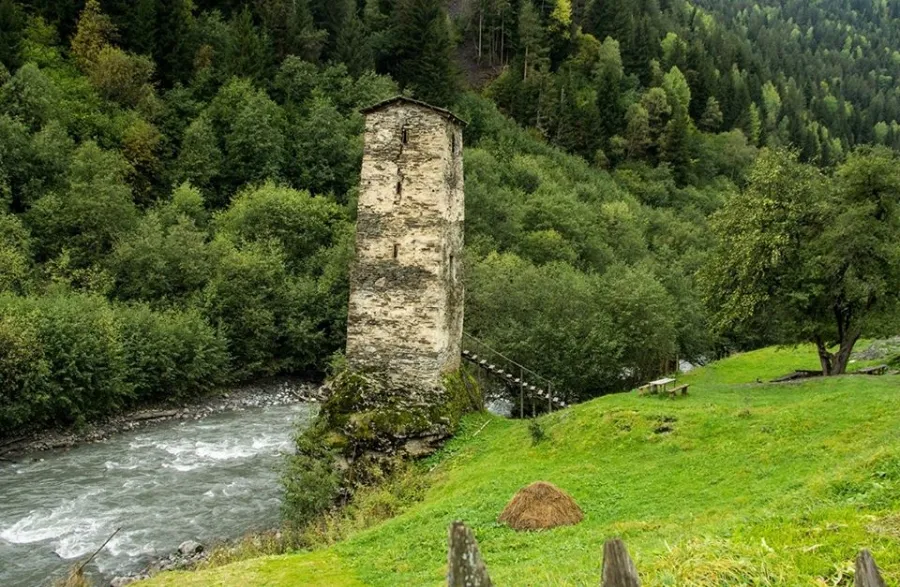
The Tower of Love is a small but striking landmark on the road from Mestia to Ushguli, near the village of Kala. Unlike the defensive Svan towers nearby, this one stands alone and is tied to a local legend rather than warfare. According to the story, a young woman waited in the tower for her beloved who went to war and never returned. She kept lighting a fire at the top so he could find his way home, until she eventually died waiting.
Set against dramatic mountain scenery, the tower has become a quiet symbol of loyalty and devotion. Travelers often stop here briefly, not for architecture, but for the story and the mood it adds to the journey through Upper Svaneti.
View on map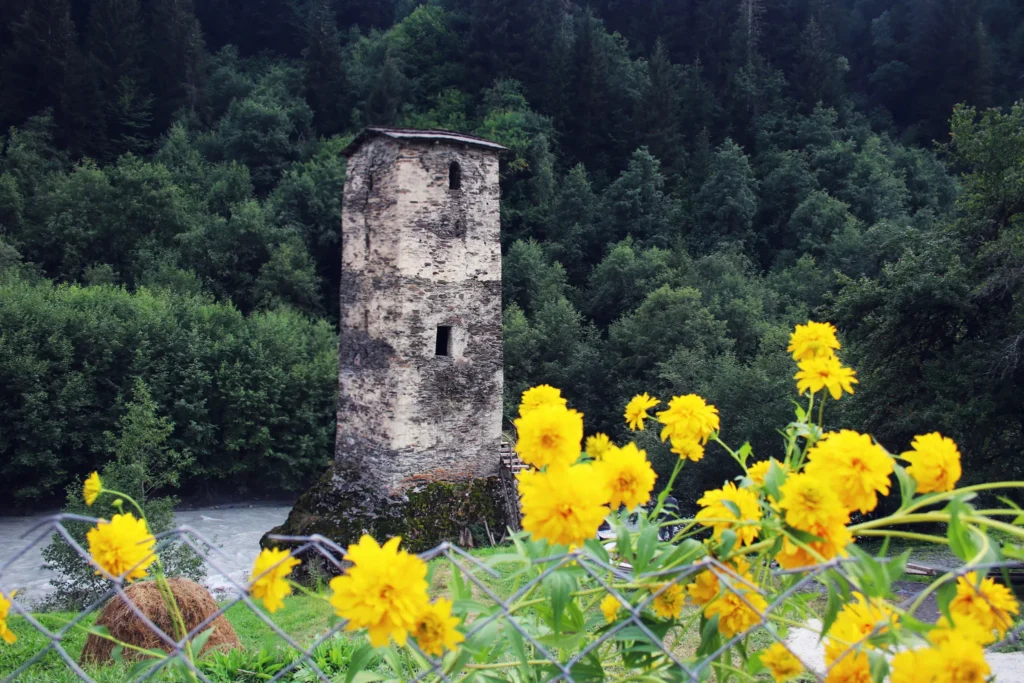
Ushguli
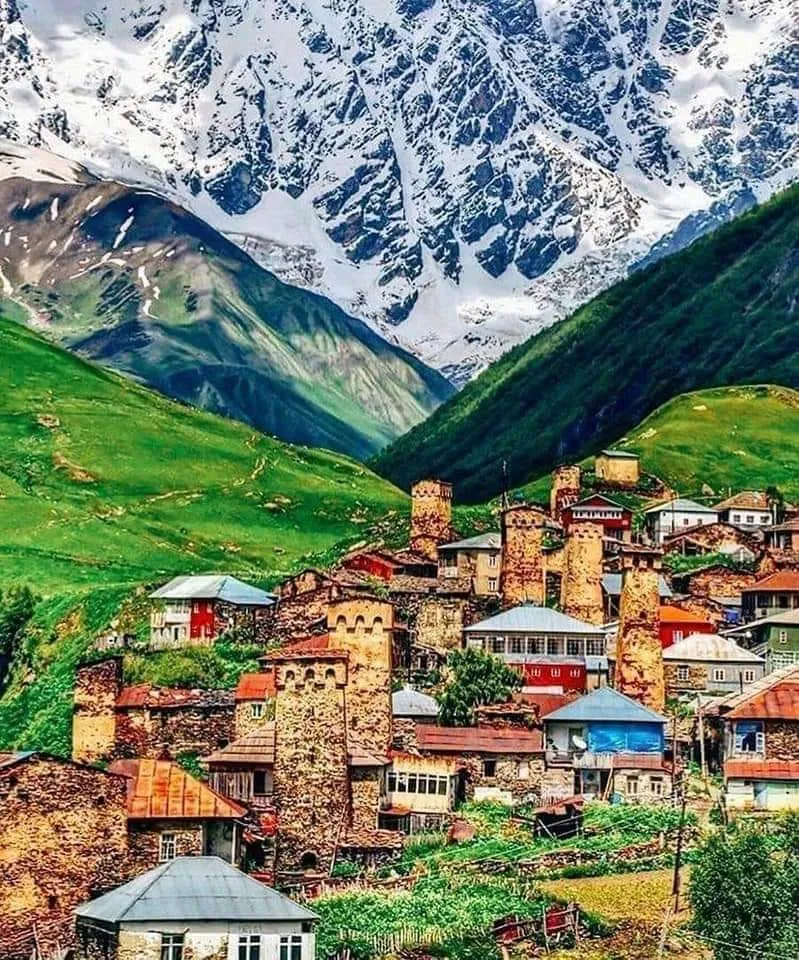
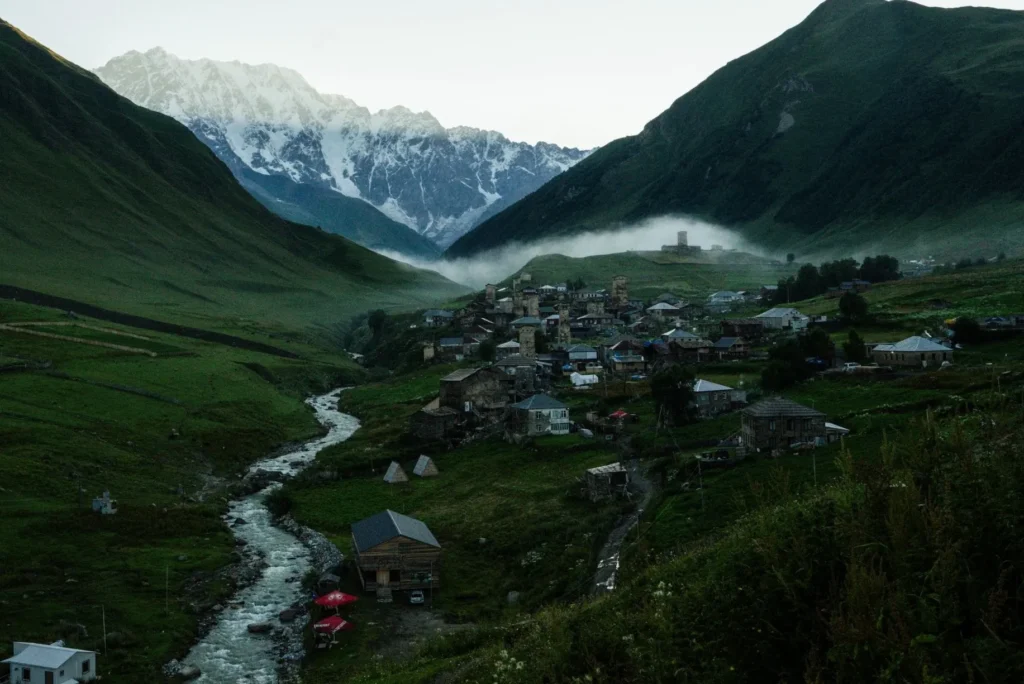
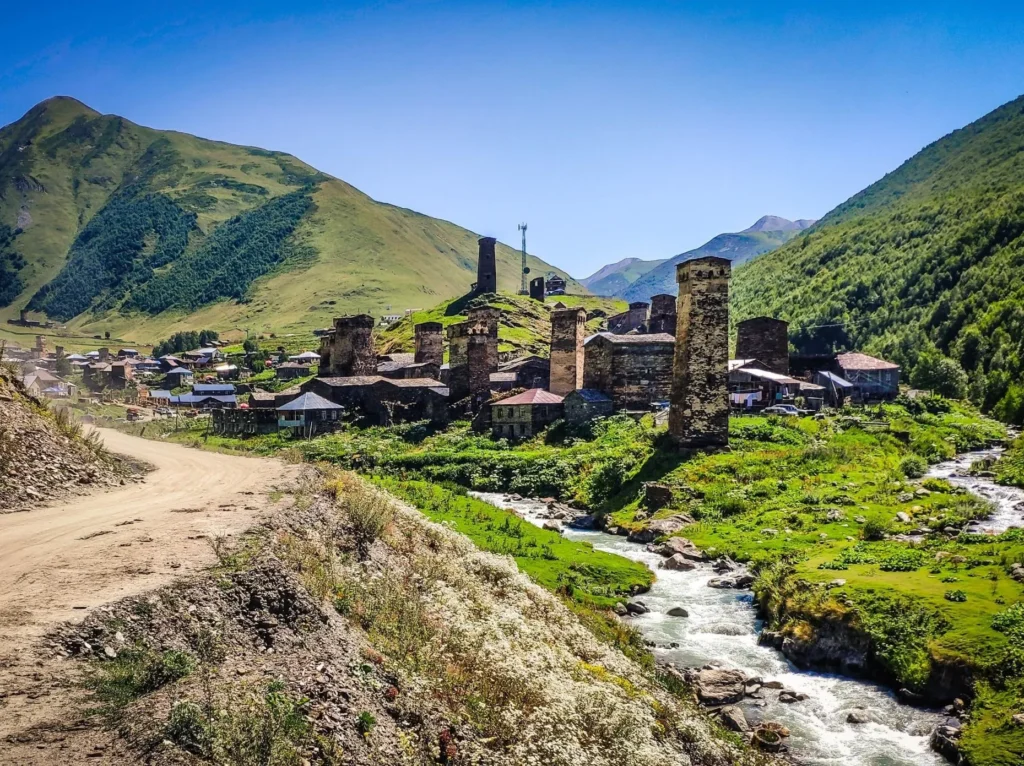
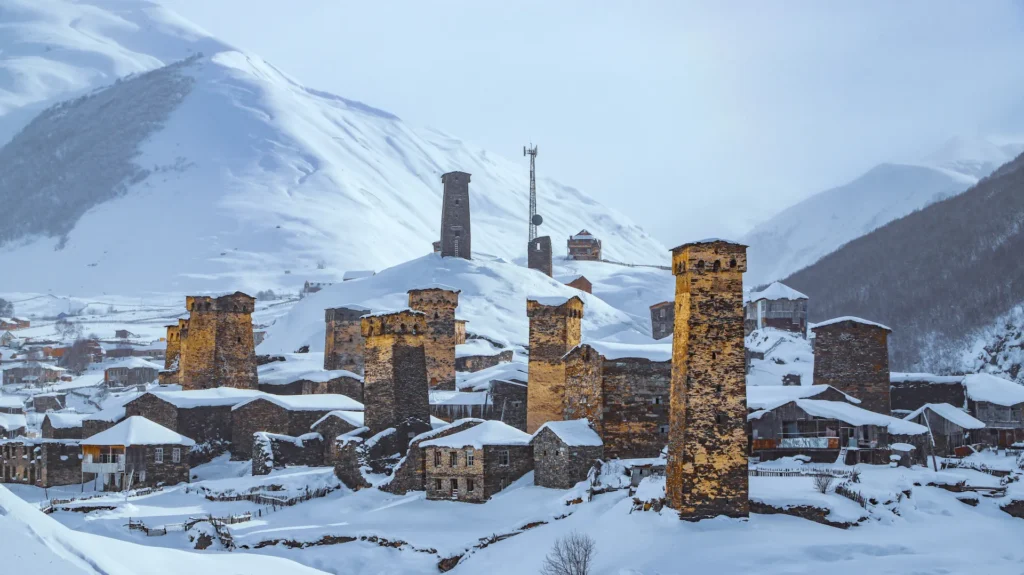
Ushguli is a community of five medieval villages located at the head of the Enguri gorge in Svaneti, Georgia. Ushguli is one of the highest continuously inhabited settlements in Europe. Compared to somewhat more developed towns like Mestia, Ushguli is not in an accessible location, which has preserved many of the villages’ medieval characteristics, including unique defensive tower houses called Svan towers. Because of their preservation and traditional architecture, Ushguli, Mestia, and the surrounding area was recognized as the Upper Svaneti UNESCO World Heritage Site in 1996.
Ushguli is located at an altitude of 2,100 metres near the foot of Shkhara, one of the highest summits of the Greater Caucasus mountains. About 70 families (about 200 people) live in the area, enough to support a small school. The area is snow-covered for 6 months of the year, and often the road to Mestia is impassable.
View on map
Lamaria Church
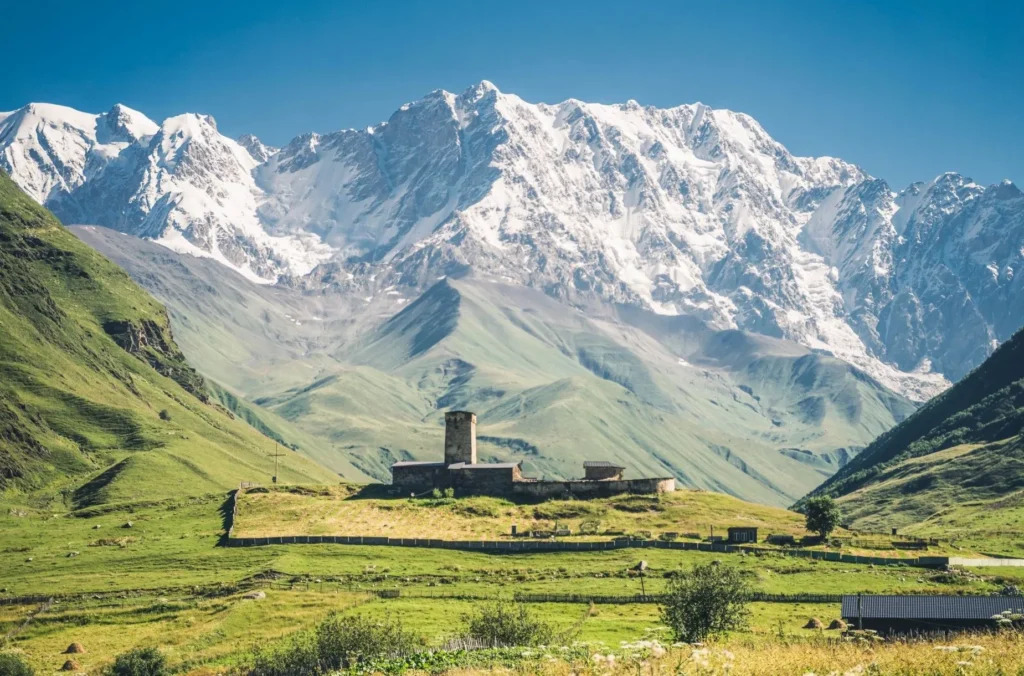
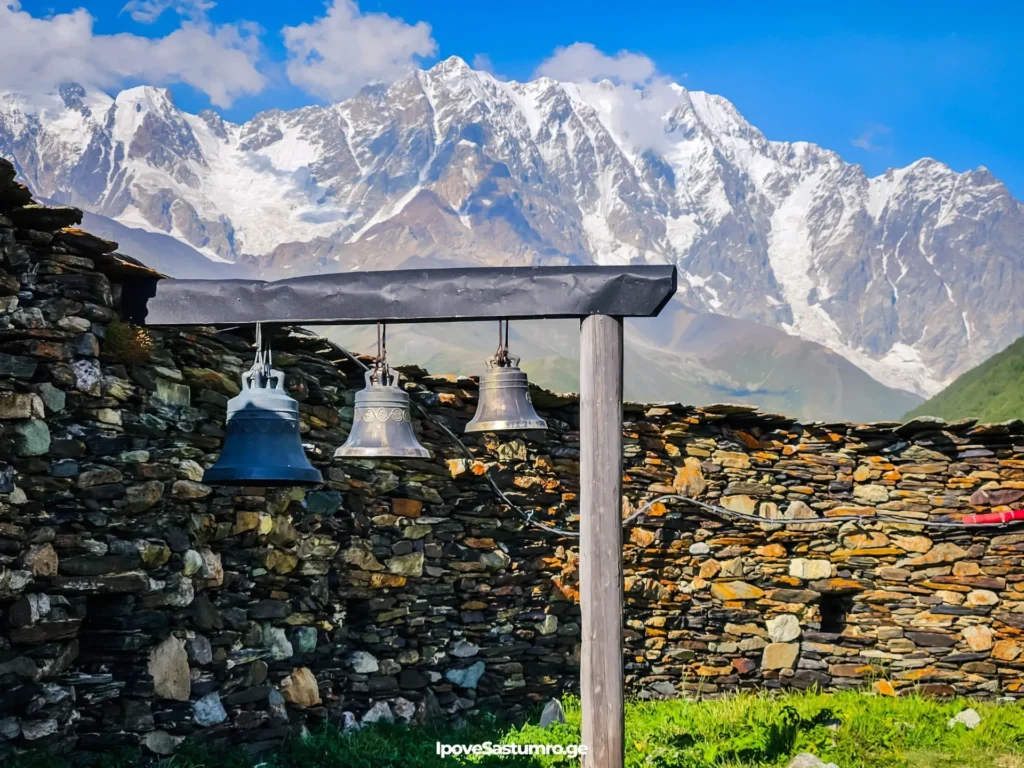
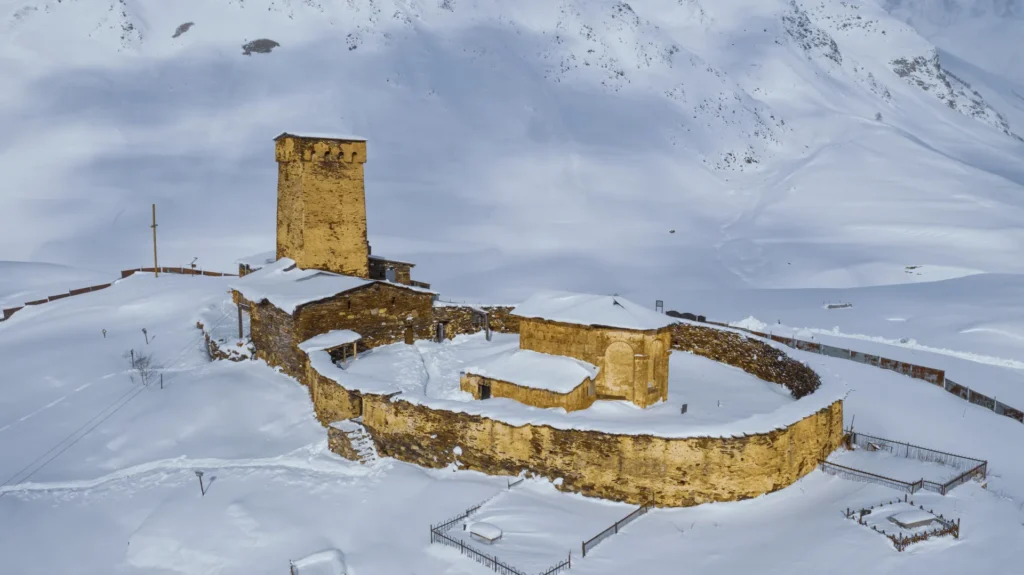
Ushguli’s Lamaria is a church dedicated to the Virgin Mary, located on a high hill in the Ushguli community of Mestia municipality, Svaneti, north of the village of Zhibiani. The church is surrounded by a fence with a fortified tower. It is a basilica-type building of the 9th-10th centuries, with a three-nave nave and an apse protruding outwards. The church has an entrance from the west, and the nave from the southwest. The nave is made of stone, with archსes resting on stone columns starting from the floor and decorated with simple column capitals. Ushguli Lamaria is one of the most important and highly culturally and historically valuable monuments of Svaneti.
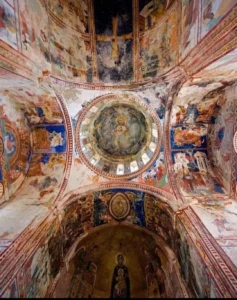
Several layers of painting have been preserved in the church. Only the painting of the nave is contemporary with the construction of the church. The interior’s story-like depictions, fragments of which are visible under later layers of painting, date back to the end of the 10th and beginning of the 11th centuries. The crucifixion composition on the north wall is noteworthy, where the figures’ hands are enlarged to emphasize their gestures. The faces are also expressive, and the specific type characteristic of Svaneti painting is already evident in their features. The next layer of painting dates back to the 12th century. The depictions of the holy warriors on horseback, George and Theodore, on the west wall belong to this stage. The church was last painted in the 13th century. The apse is painted from this period. The nave features a composition of traditional Svaneti prayers. The altar wall depicts the Fathers of the Church, and the Nativity and Transfiguration are in the church’s vault. Also noteworthy are the historically significant scrawled inscriptions, which were scrawled by worshippers who came to the church and represent texts of forgiveness. The inscriptions are written in “Asomtavruli”, “Nuskhur”, “transitional Mkhedruli”, and “Mkhedruli” (Georgian alphabets)
Mt. Shkhara & Hike to it’s Glacier
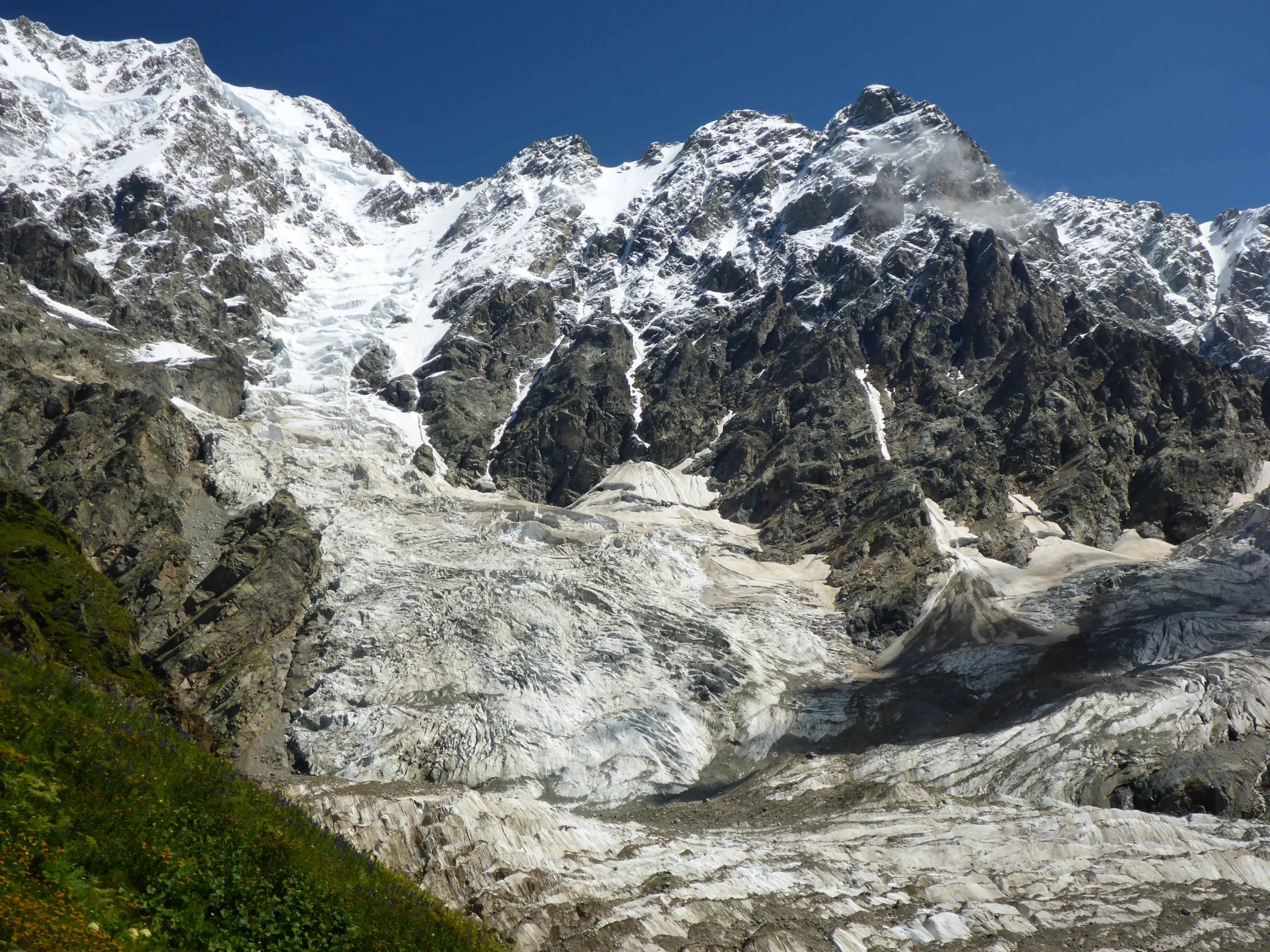
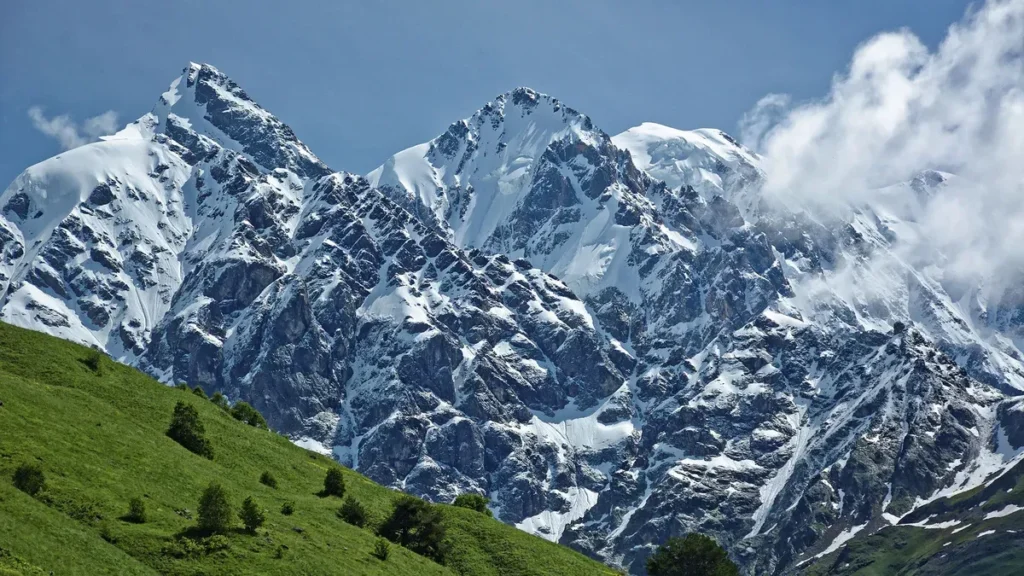
Mount Shkhara is the highest peak in Georgia and one of the giants of the Greater Caucasus, rising to 5,193 meters on the Georgian–Russian border. It dominates the skyline of Upper Svaneti, especially around Ushguli, where its massive ice-covered walls feel almost unreal. Shkhara is not only a mountaineering icon but also a powerful symbol of the wild, untamed Caucasus.
One of the most rewarding hikes in the area leads from Ushguli village toward the Shkhara Glacier, at the very source of the Enguri River. The trail follows the valley past alpine meadows and grazing cattle, with Shkhara’s north face slowly filling the horizon. The hike is non-technical and suitable for most fit hikers, offering close-up views of the glacier and the newborn Enguri flowing out from beneath the ice. It’s a dramatic yet accessible walk that captures the raw beauty of Svaneti in just a few hours.
View on map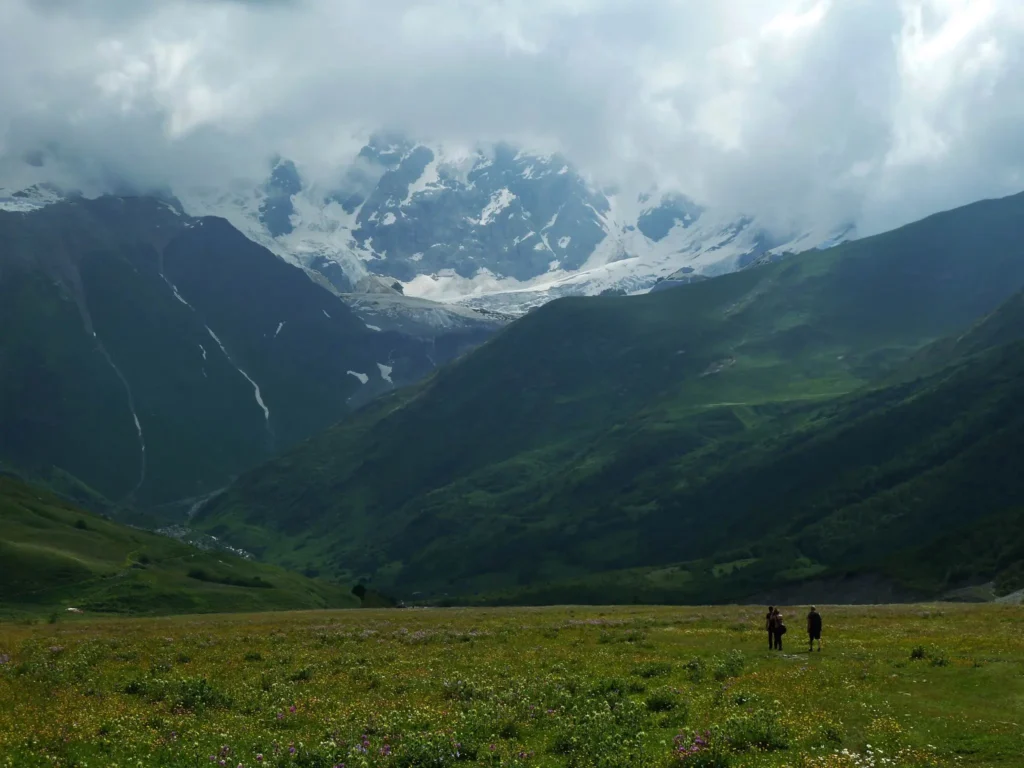

Chazhashi
The Chazhashi Lower Fortress Complex, also known as “Tamari’s Forge” is located in the village of Chazhashi, Ushguli community, Mestia municipality, Svaneti. It was part of the Chazhashi fortification system together with the Tamari Upper Fortress and overlooks all four villages of Ushguli. The monument dates back to the 10th-11th centuries. The complex consisted of four towers and a church, of which only the church, one tower and the ruins of two towers have survived. According to legend, the Chazhashi Lower Fortress Complex was the winter residence of Queen Tamar
View on map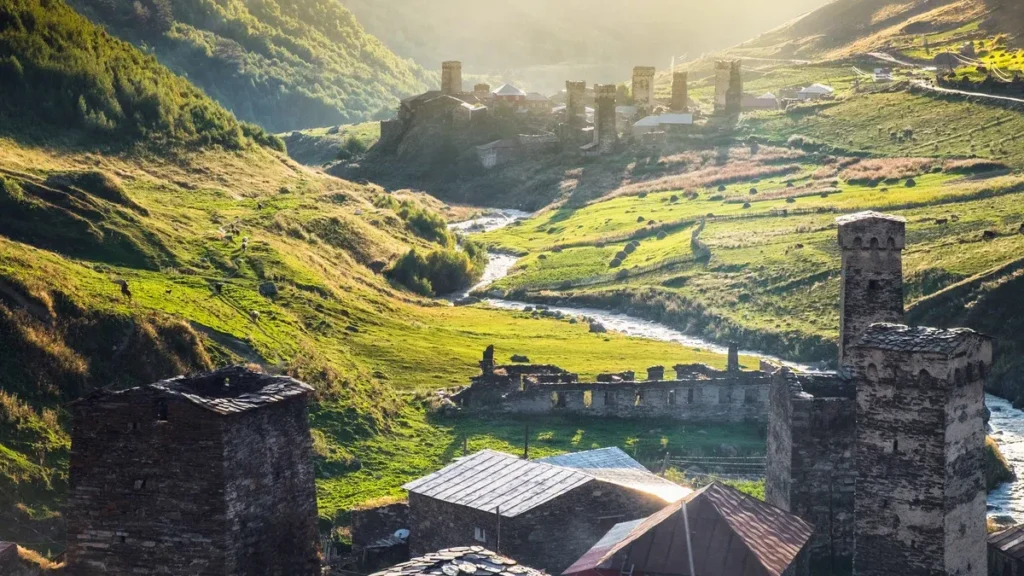
Road to Lentekhi & Mt. Ailama
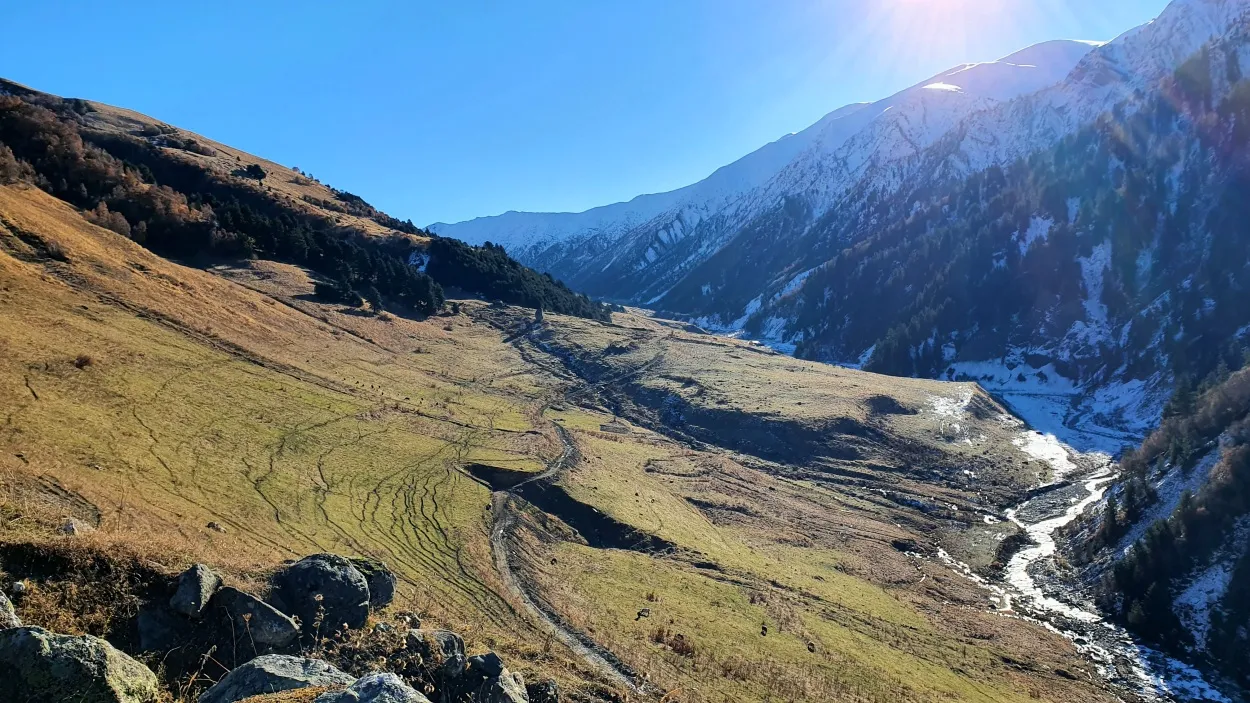
The road from Ushguli to Lentekhi (Lower Svaneti) is one of the most dramatic and challenging routes in Georgia, cutting through the heart of Lower Svaneti. It descends from the high alpine world of Ushguli, passing Mt. Ailama into deep gorges, dense forests, and remote villages that feel largely untouched by time. The scenery changes fast: glaciated peaks and open valleys give way to narrow canyons, waterfalls, and thick greenery.
This route is rough and remote, with long unpaved sections, river crossings, and frequent landslides, especially after rain. A high-clearance 4×4 is strongly recommended, and travel time can be unpredictable. That said, for experienced drivers, it’s an unforgettable journey – less about speed and more about immersion in wild landscapes and the quieter, more traditional side of Svaneti. It’s a road chosen by adventurers, not by those in a hurry.
Before taking the route always inquire with locals and road department about the road condition. In winter the road is mostly closed. It is not maintained and usually rarely taken by travelers or locals.
View on map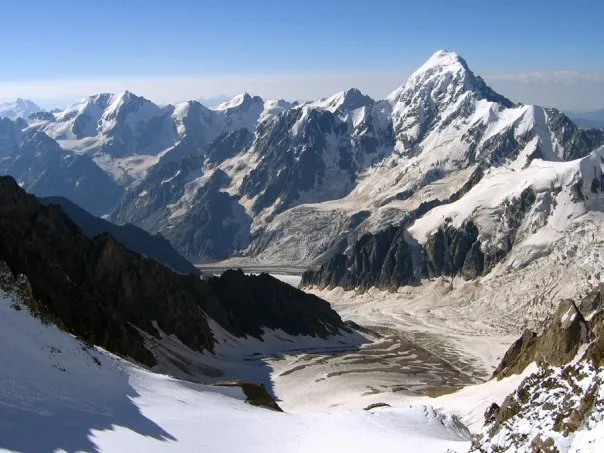
Lentekhi Municipality
Lentekhi, also known as Kvemo Svaneti, is one of the most mountainous regions of Georgia, located in the Racha-Lechkhumi and Kvemo Svaneti regions. In earlier centuries, Svaneti was part of Colchis, then Egrisi, and later in the 11th-15th centuries it was part of the United Kingdom of Georgia.
In the first half of the 19th century, Kvemo Svaneti, along with Lechkhumi, was conquered by the prince of Odishi, therefore it was also called “Sadadiano Svaneti.”
The Dadiani castle-hall complex still stands in Lentekhi today.
Lentekhi is distinguished by its beautiful nature and interesting cultural monuments. White peaks, cool forests, meadows, Svan towers and distinctive temples attract many travelers, hikers and climbers. There is a tourist center and an alpine camp “Ailama” in the region.
While traveling in the region, in addition to the impressive views, you will also be able to visit many important monuments. An important example of Georgian ethno-culture is the Svan tower, which can be found both attached to a residential building and standing separately.
In addition to the towers, there are many medieval temples with unique Svanetian paintings. You will see churches with traces of frescoes preserved on the outer facades, which is characteristic only for Svaneti.
in Lentekhi Municipality, at an altitude of 1300 m above sea level, there is a climatic and balneological resort Muashi. With its humid climate, cold winters and long cool summers, it is considered one of the most interesting resorts in Georgia. There are mineral waters here, which are used both for drinking and bathing. The waters are mainly used to treat the digestive system, joints and peripheral nervous system. Mineral waters also flow abundantly in other places in Lentekhi.

Chukuli Church
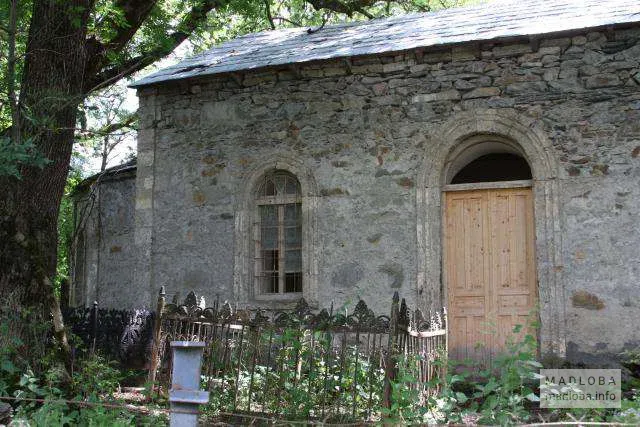
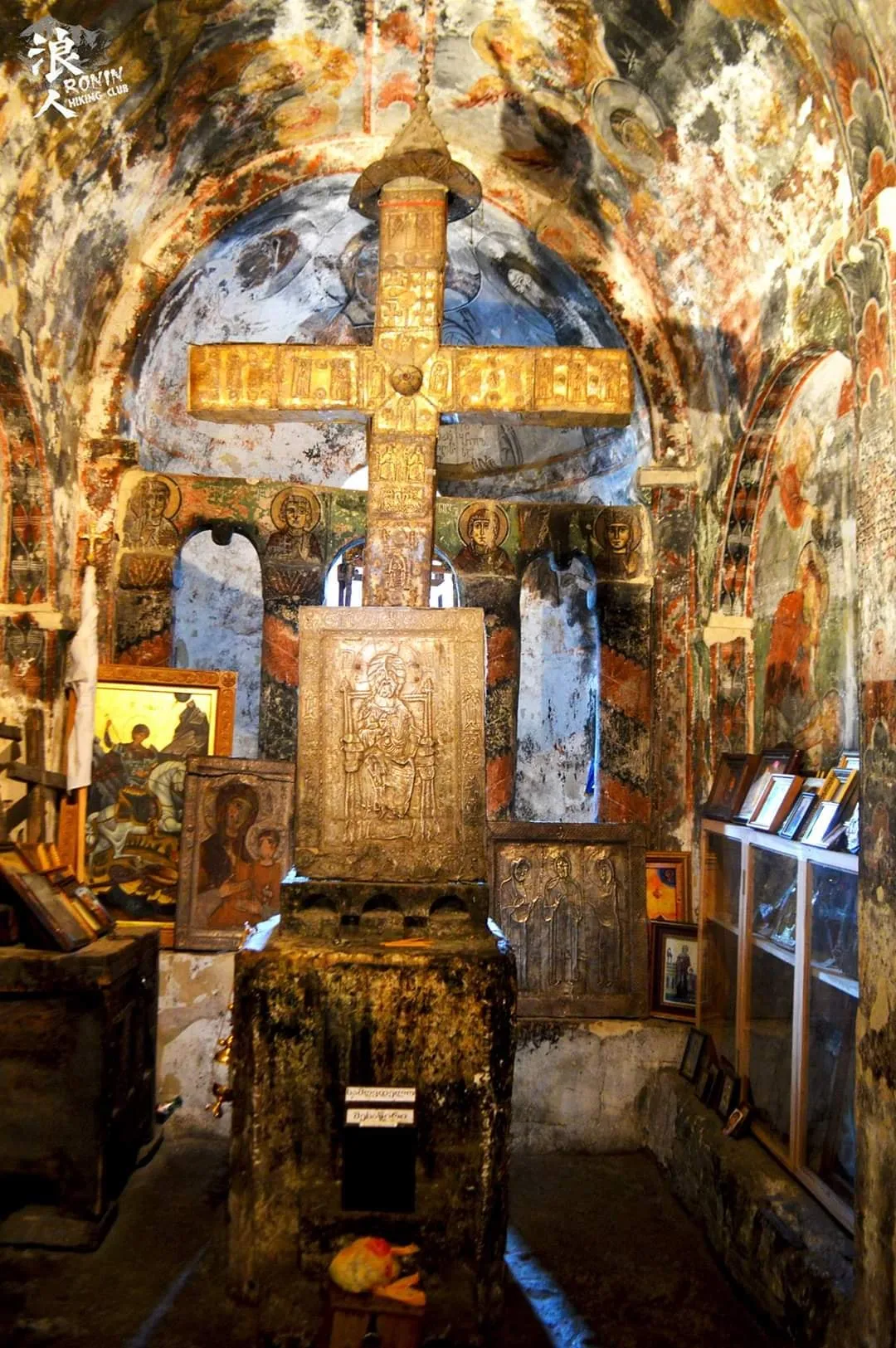
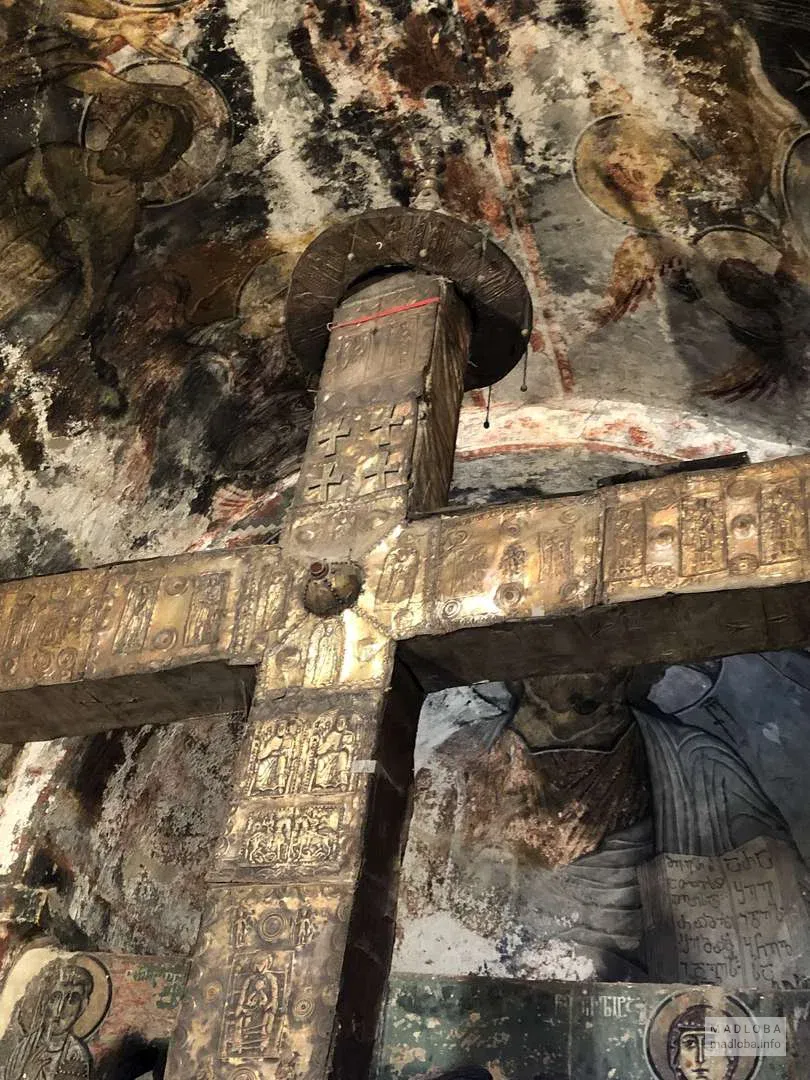
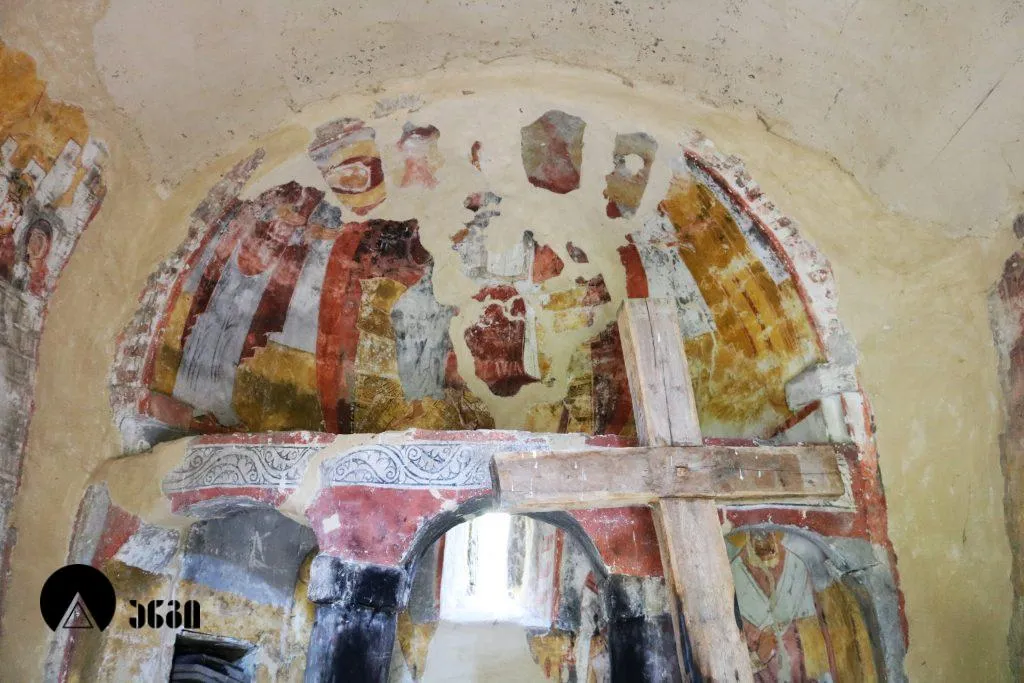
The Chukuli Archangel Church is located in Svaneti, in the village of Chukuli, Lentekhi Municipality. It dates back to the 10th-11th centuries. The church is a hall-shaped building, semicircular on the east, with a seven-nave exterior, and a vaulted apse. The temple has a late-built gate. The apse is separated from the hall by a stone lintel. The vault of the hall rests on an arch supported by pilasters. Arches extend from the pilasters to the longitudinal walls. In the hall there is an ornamental stone pedestal, on which a wooden cross is erected. Two clusters of hands are depicted on the pedestal. The interior was painted in the late Middle Ages, with an earlier layer also noticeable. The repertoire of paintings is diverse. There are three windows in the altar, which protrude from the exterior into the even corners of the apse. There are two entrances – from the west and the south. The church is built of neatly hewn stone blocks.
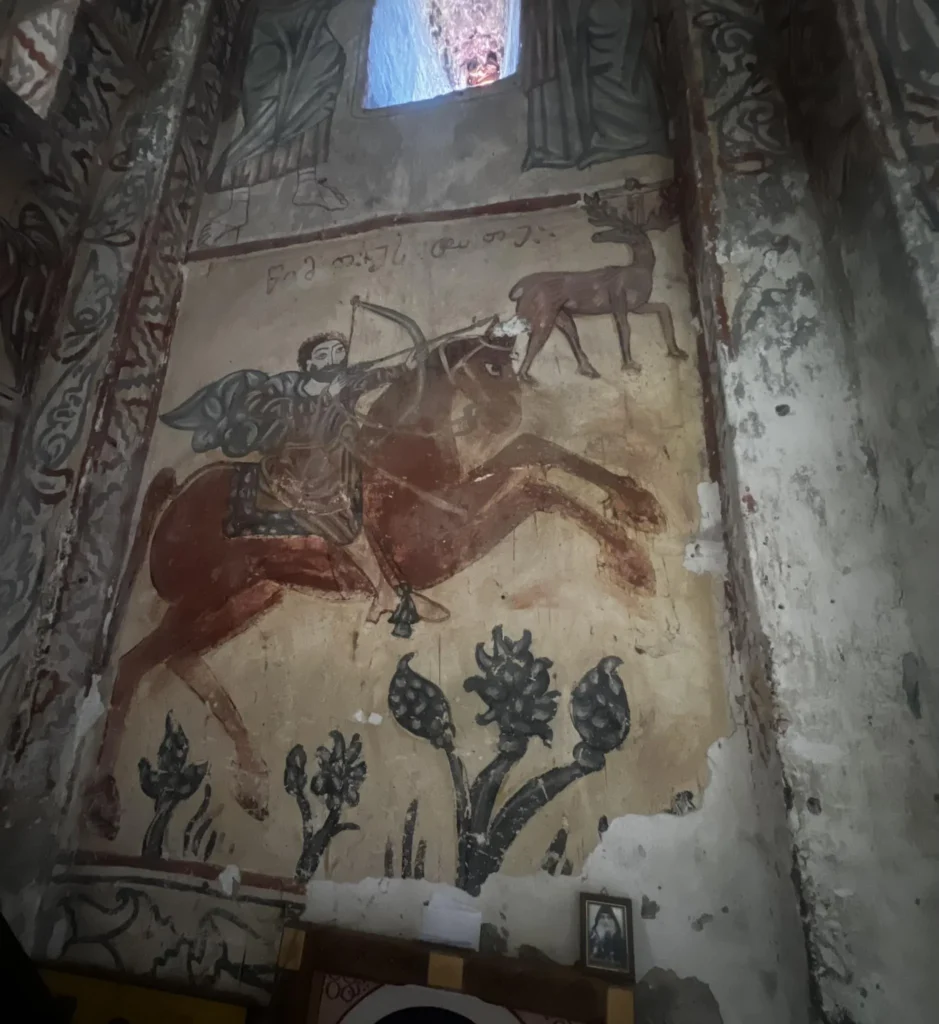

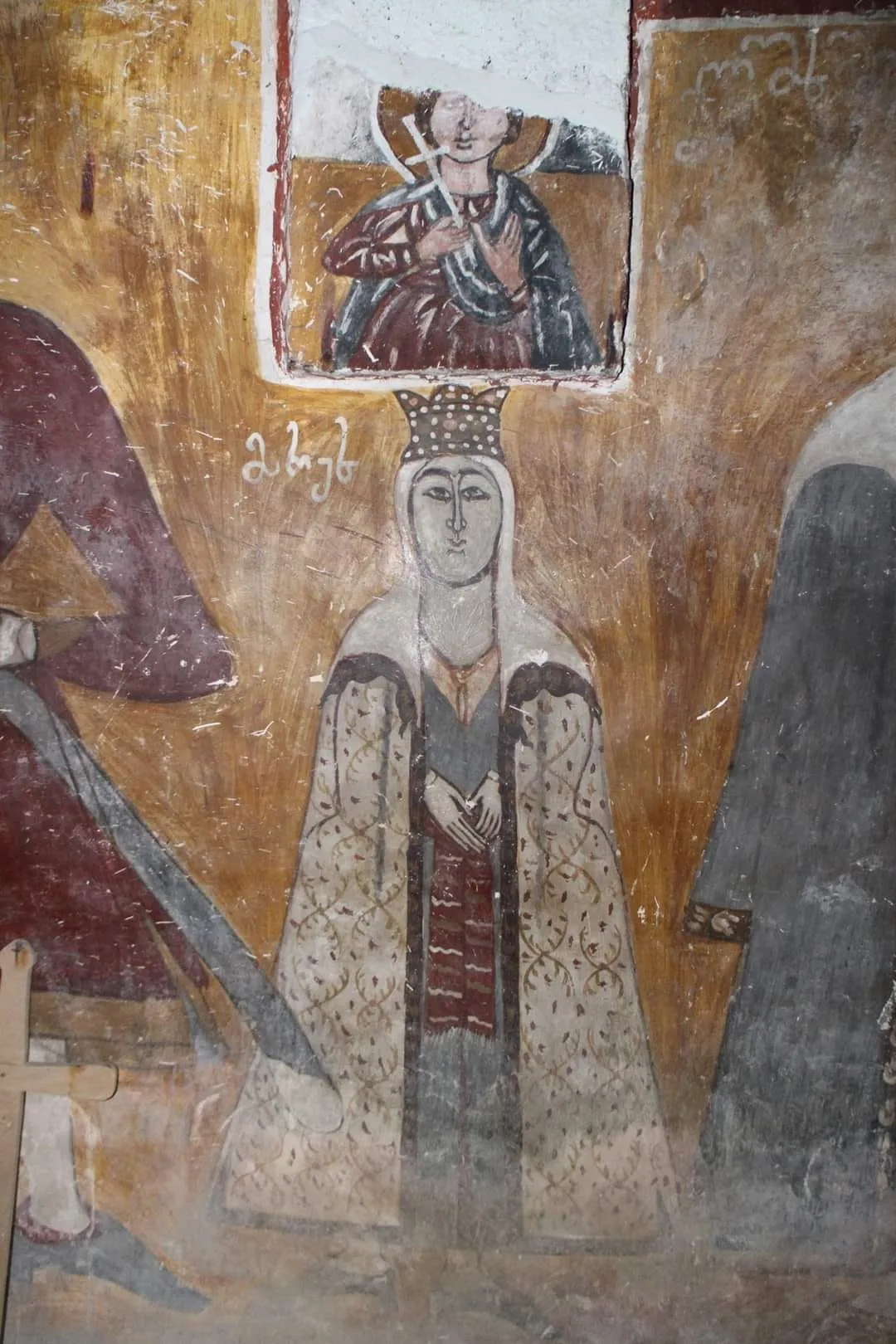
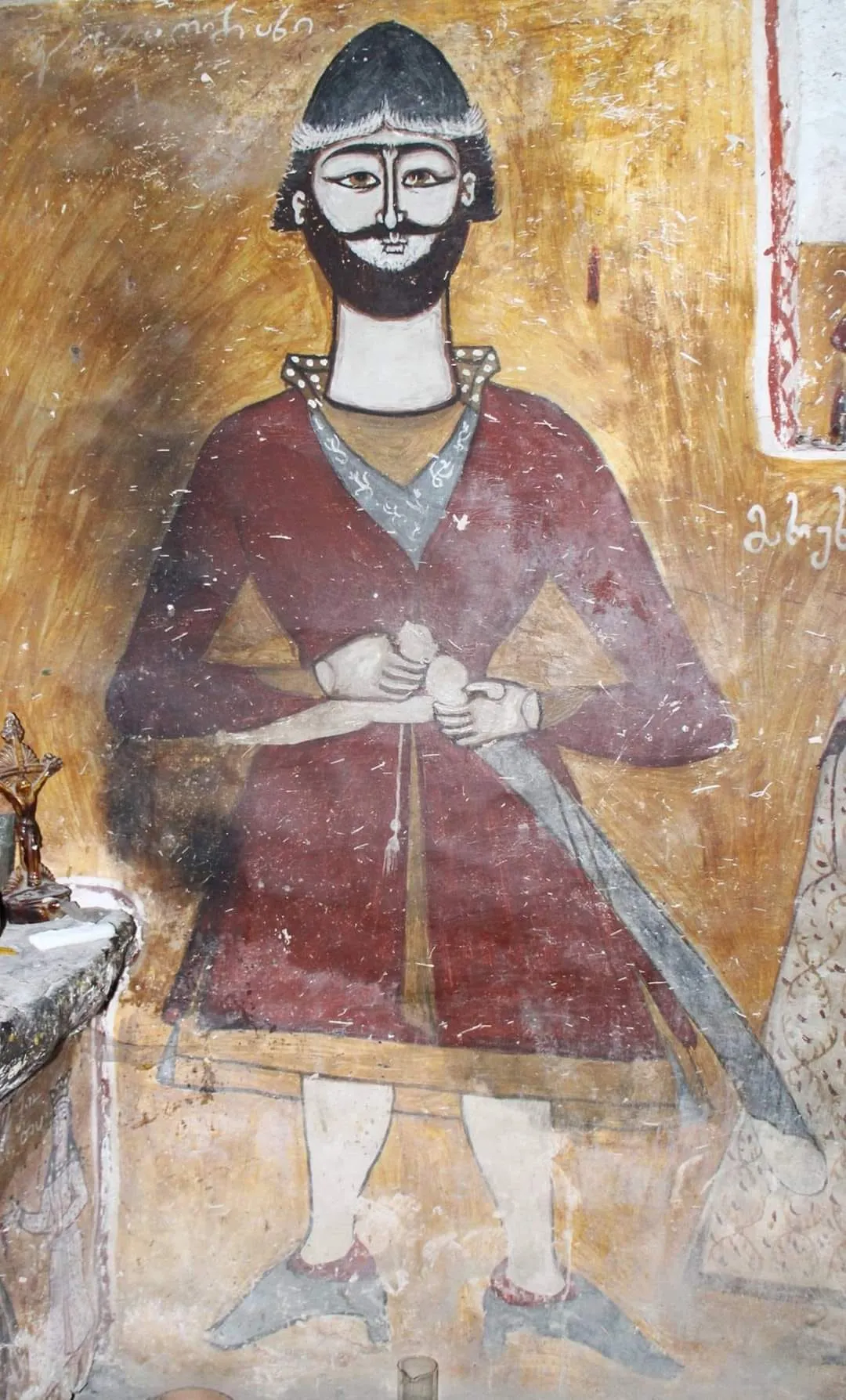
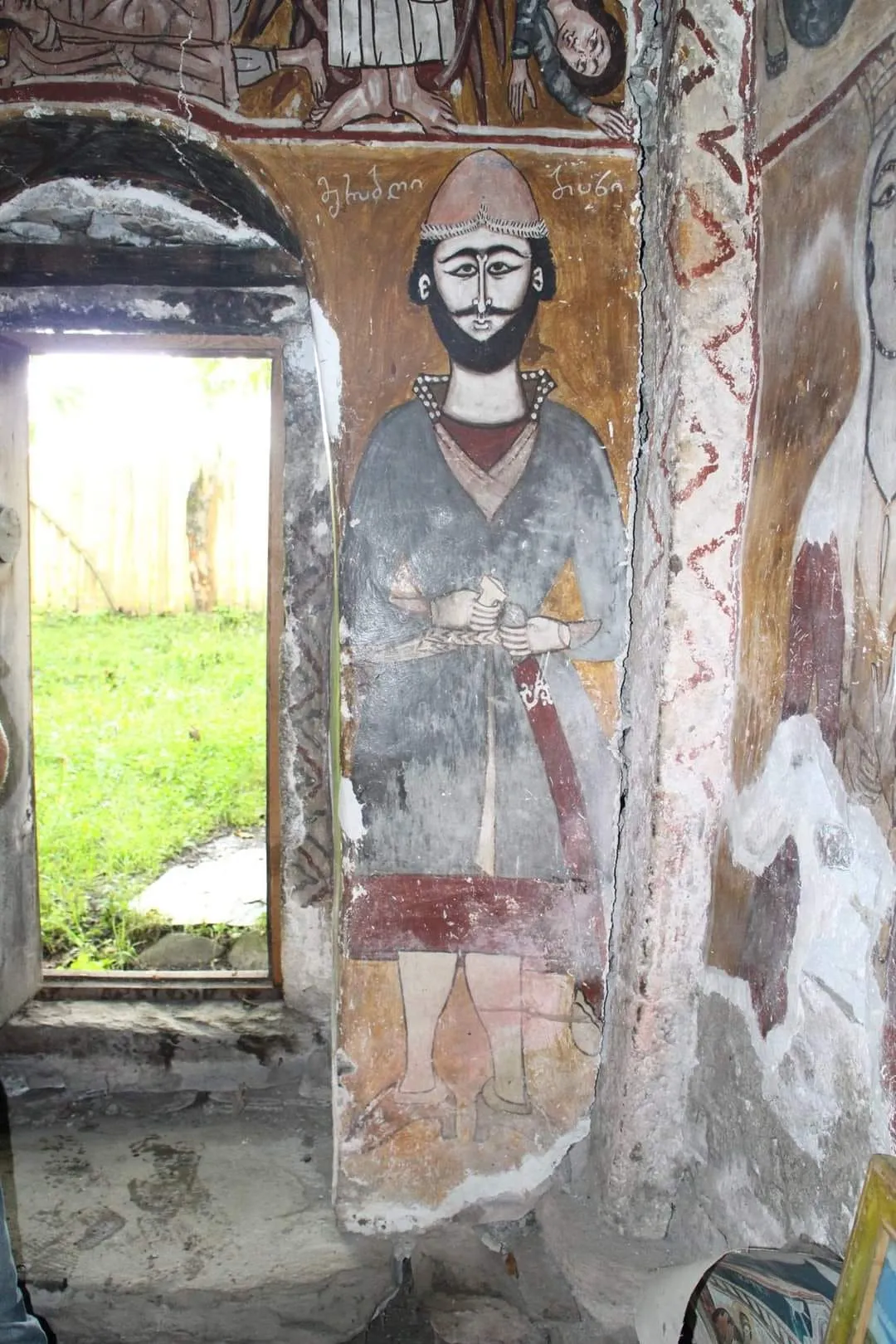
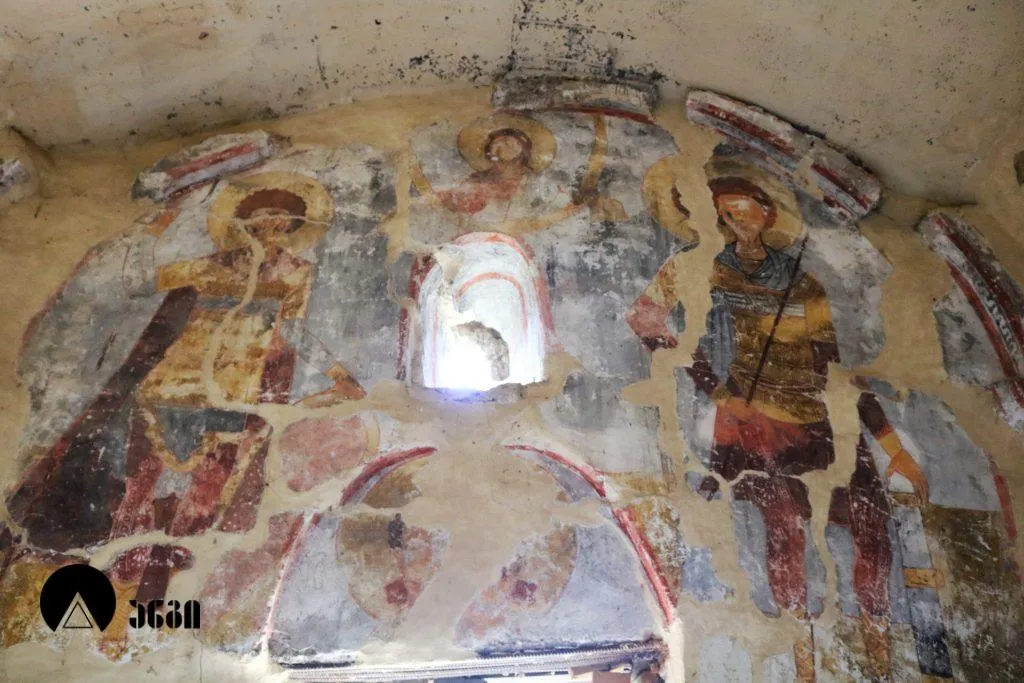
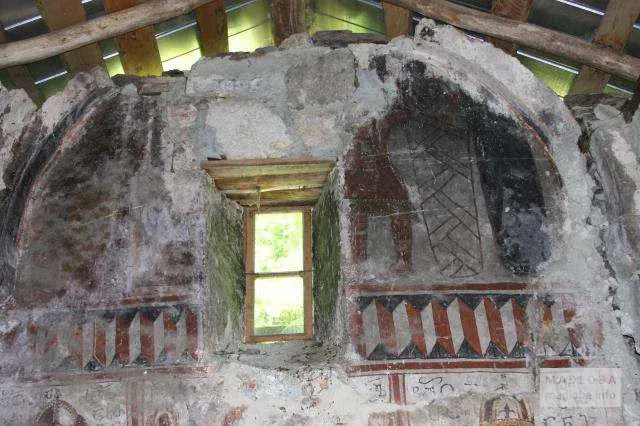
The Church of the Archangel of Tvibi is located in the village of Tvibi, Lentekhi Municipality, Svaneti. It dates back to the 10th-11th centuries. It is a hall-shaped building with a rectangular apse on the east. The vault was supported by arches carried on hanging capitals, but has now collapsed. There are two high and deep niches in the apse, divided into two. The interior is completely painted, the frescoes have survived in a damaged form. The paintings include scenes of the supplications, the Annunciation, the Epiphany, the Raising of Lazarus and the Nativity, as well as images of St. George, St. Theodore, the High Priests, the Holy Mothers, the Archangel and the donors. The facades are plain. The decoration is only on the western facade, the door and the window above it are decorated with simple, folded capitals. A faint image of a dragon has survived on the northern facade, and it appears that the facades were completely painted.
Skaldi
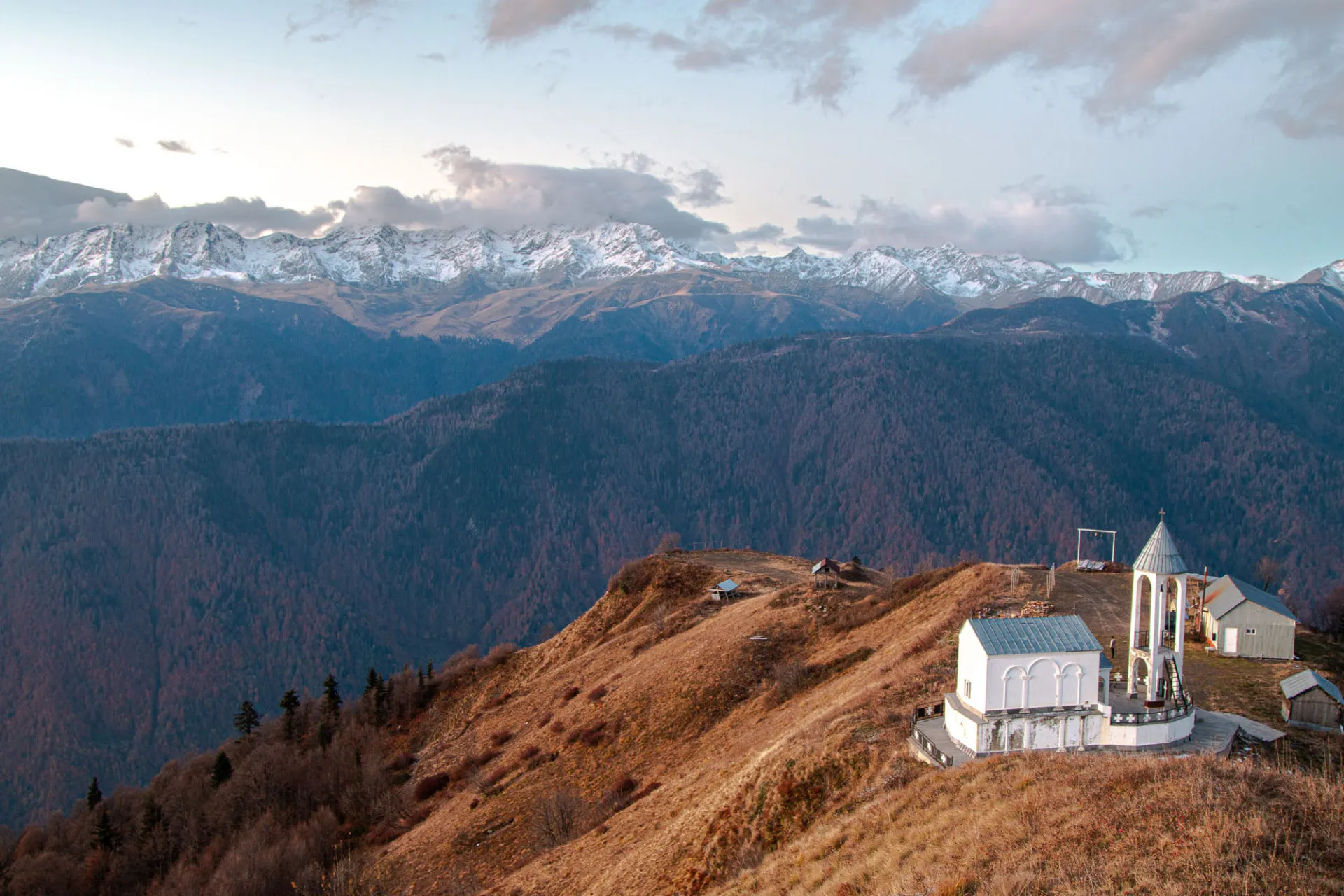
The Skaldi Archangels Church is an architectural monument located 5 km northwest of the village of Paki, Lentekhi Municipality, on Mount Skaldi. It is 2,210 meters above sea level. According to local traditions, the Skaldi Church was built in the 10th-11th centuries, although its original appearance has almost disappeared. Monastic life was restored in 2013.
The main shrine of the church is a gilded icon of the Archangels (Michael and Gabriel) and an icon depicting the Savior.
Ornamental stones from the old church are stacked on the church platform. The Skaldi Church offers magnificent views. The church is a hall-shaped building with a semicircular apse to the east. The altar is separated by a wooden lintel. The vault of the hall rests on ribbed arches supported on pilasters. The interior is completely painted.
Skaldoba is celebrated annually in Svaneti, a holiday held every seventh Sunday after Easter.
View on map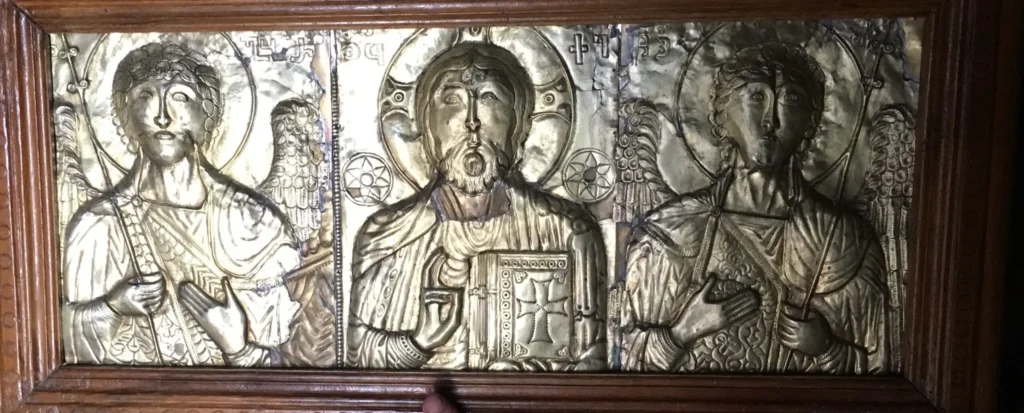
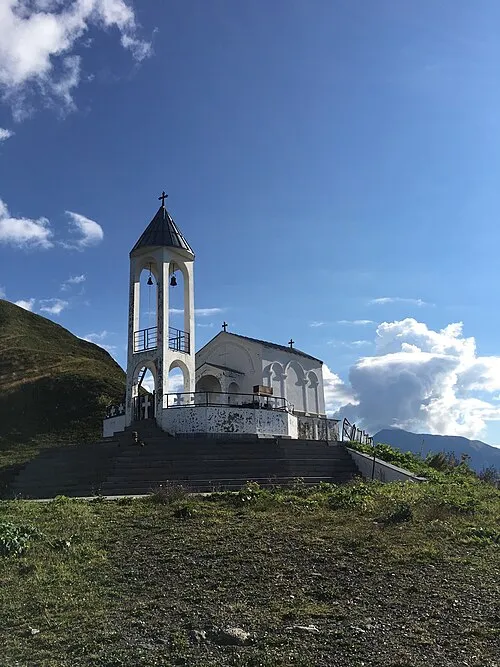
Chikhareshi Church
Chikhareshi Church of the Assumption of the Mother of God — a church in Georgia. Located in the village of Chikhareshi, Lentekhi Municipality. Dating back to the High Middle Ages (16th-17th centuries), the small hall church is built of thin horizontal slate stone, which gives the facades a scratched texture. The apse is separated from the hall by a painted stone crypt. The longitudinal walls of the hall are divided by pilasters. The church is completely painted, both the crypt and the trapezium are decorated with paintings. The paintings are accompanied by Mkhedruli inscriptions in the local dialect.
View on map